Research Program

Leadership
Alexander Bystritsky
Director
Contact Info
Adult Anxiety Disorders Clinic Website
300 UCLA Medical Plaza, Suite 2330
Los Angeles
CA 90095
(310) 206-5133
About
Do you have an anxiety disorder? Anxiety is the most common psychological condition in the U.S., even more so than depression or substance abuse. It affects over 40 million adults, almost 20% of the population. Most people have experienced anxiety at some point in their lives. According to recent estimates, health care costs and indirect costs such as loss of productivity amount to $42 billion per year, or almost 1/3 of U.S. spending on health care. Anxiety causes personal distress and maladaptive social behavior. Typical anxiety disorders include panic, phobias (for example, about spiders or snakes), social anxiety disorder, OCD and PTSD.
UCLA offers world-class treatment for anxiety and related disorders. A team of psychiatrists, psychologists and social workers lead by Dr. Alexander Bystritsky, M.D. Ph.D. will help you understand what triggers your anxiety, the feelings and thoughts that sustain it and the coping behaviors you engage in to avoid it. We offer medication management. We also run clinical trials exploring novel interventions, for example a revolutionary new technology called repetitive transcranial magnetic stimulation (rTMS). Because we are an academic medical center, our on-going research enables us to stay on the cutting edge of developments in clinical practice.
For a free telephone assessment of your anxiety disorder, please call(310) 206-5133. Visit our Facebook page or subscribe to our Twitter feed, uclaanxietydisorders. It’s up to you to take the first step rather than letting anxiety control your life.
About Anxiety Disorders
General Anxiety (GAD)
Unlike other anxiety disorders, GAD can arouse anxiety in almost any situation, without a specific trigger. In fact, many people suffering from this disorder are anxious all the time and the focus of their concerns shift frequently.
The following are often indicators of GAD, especially when more than one symptom occurs, for any period of time:
- Cold, clammy hands
- Persistent anxiety with no identifiable cause
- Tendency to worry a great deal
- Irritability; edginess
- Muscle tension
- Heart palpitations
- Nausea; upset stomach
Obsessive Compulsive Disorder (OCD)
OCD is a disorder where the individual is plagued by uncontrollable obsessions and compulsions that interfere with his/her daily functioning. It is an anxiety disorder that can start at any age, although most commonly it begins in childhood through to early adulthood. While it is a waxing and waning disorder, if left untreated, it can escalate in severity over time.
Obsessions are characterized by persistent, irrational ideas or images that keep returning again and again. Compulsions are repetitive behaviors that are intended to prevent or correct some dreaded event. The most common obsessions are repetitive thoughts, impulses or images that are anxiety provoking. They occur against one’s will, are intrusive and persistent and are, often, personally repugnant. These can include:
- Fear of becoming contaminated
- Fear that something terrible might happen if something isn’t done correctly
- Fear of causing offense
- Fear of throwing something away that might be important
- The urge for things to feel just right
- Scrupulous or religious thoughts
To further ensure the best and most appropriate treatment, OCD program is divided into two departments:
- Adult OCD Program: (310) 206-5133
- Child and Adolescent OCD Program: (310)825-2373
Panic Disorder/Agoraphobia
Panic Disorder
An experience of a sudden rush of intense fear or anxiety, lasting between five to ten minutes may indicate a panic attack. These attacks can occur unexpectedly at any time or place, such as in crowds, work or on the freeways. Symptoms usually include:
- Heart palpitations
- Chest pain
- Dizziness
- Shortness of breath
- A feeling that something terrible is about to happen, like fainting, a heart attack, going crazy of losing control
Agoraphobia
Agoraphobia is a condition that often accompanies Panic Disorder. It is characterized by intense anxiety and panic when a person finds him/herself in certain situations such as driving, using elevators, going into stores, traveling long distances or being alone. A pattern of avoidance often develops in reaction to concerns about not being able to escape or get help in an anxiety-producing situation.
For further information on Panic Disorder/Agoraphobia and its treatment, please call the UCLA Anxiety Disorders Clinic (310) 206-5133
Post Traumatic Stress Disorder
Often after experiencing a severe trauma such as, but not limited to, an accident, a death of a relative, or a war experience, excessive anxiety can develop. A person may feel like they are experiencing the same traumatic event over and over, in dreams or in flashbacks. They may also become nervous, withdrawn, lose interest in activities and no longer derive pleasure from social contacts. These symptoms can continue many years after the traumatic event.
For further information about Post Traumatic Stress Disorder, please contact us at: UCLA Trauma Psychiatric Service (310)794-1076
Social Phobia
Social Phobia is concerned with excess fear of being negatively evaluated by others. Social phobics feel they will be humiliated or embarrassed and, as a consequence, they avoid situations in which their actions may be observed. Some of the more common anxiety provoking situations include:
- Public speaking
- Eating in front of others
- Being in a group of people
Evaluation and treatment is available for this disorder. For further information, please contact us at: UCLA Anxiety Disorders Clinic (310) 206-5133
Specific Phobia
Some people have exaggerated fears of certain objects or situations. Although, they usually recognize that the fears are excessive and irrational, the objects are still avoided. Examples of specific phobias include:
- Animal
- Flying
- Blood and injections
- Heights
- Driving
- Closed in places
Unlike Agoraphobia, these fears are single and isolated.
For further information on Specific Phobia and its treatment, please contact: UCLA Anxiety Behavioral Program (310) 206-9191
Body Dysmorphic Disorder
Body dysmorphic disorder (BDD) is a body image disorder in which individuals are preoccupied with a perceived flaw in physical appearance, which can result in severe functional impairment and suffering. Individuals with BDD usually focus on one or more aspects of their appearance, such as skin, nose, hair, eyes (or any other part of their appearance), which they believe to be defective or ugly. Individuals with BDD often feel depressed, anxious and ashamed. Their degree of anguish and distress is such that it interferes with their day-to-day activities such as work, school, or social situations.
BDD is believed to affect 1-2% of the general population. It also affects as many as 6-14% of those in mental health settings presenting with an anxiety or depressive disorder, 10-15% of those in dermatology settings, and 6-15% in cosmetic surgery settings.
People with BDD frequently compare their appearance to others and check their appearance in mirrors or other reflective surfaces. They often camouflage their perceived flaw with make-up, hair, or clothing. They may change their body position to only allow people to see them from certain angles or in certain lightinig conditions. Other behaviors include mirror avoidance, skin picking and seeking out dermatologists or plastic surgeons with the hope they can overcome the distress by changing the perceived defect.
For more information, view the Body Dismorphic Disorder website.
Other Anxiety Disorders
Anxiety can manifest in unexpected ways, such as medical problems. These can include thyroid problems, low blood sugar, middle ear problems, cardiac issues and gastric symptoms.
A comprehensive medical examination comprising of a careful history, chest x-rays, ECG and a full battery of blood tests (blood chemistry and thyroid included) can detect many of the above problems.
For people who can manage their anxiety disorders on a weekly, outpatient basis, UCLA Outpatient Anxiety Disorders Clinic provides both Behavior Therapy and Medication Management. It treats all anxiety disorders, including OCD, Panic Disorder, Agoraphobia, Social Phobia and Post-traumatic Stress Disorder. The clinic also offers an extensive evaluation and treatment program. If you are uncertain about which course of action may be most appropriate for you, please use the number and assistance will be provided.
For further information, please contact us by calling the UCLA Anxiety Disorders Clinic (310) 206-5133
Obsessive Compulsive Disorder (OCD)
OCD is a disorder where the individual is plagued by uncontrollable obsessions and compulsions that interfere with his/her daily functioning. It is an anxiety disorder that can start at any age, although most commonly it begins in childhood through to early adulthood. While it is a waxing and waning disorder, if left untreated, it can escalate in severity over time.
Obsessions are characterized by persistent, irrational ideas or images that keep returning again and again. Compulsions are repetitive behaviors that are intended to prevent or correct some dreaded event. The most common obsessions are repetitive thoughts, impulses or images that are anxiety provoking. They occur against one’s will, are intrusive and persistent and are, often, personally repugnant. These can include:
- Fear of becoming contaminated
- Fear that something terrible might happen if something isn’t done correctly
- Fear of causing offense
- Fear of throwing something away that might be important
- The urge for things to feel just right
- Scrupulous or religious thoughts
Compulsions are conscious behaviors or rituals that are done to alleviate anxiety caused by the obsessions and are carried out even though the person is aware that these actions are senseless or excessive. Compulsions can often take the form of:
- Washing or cleaning hands excessively
- Ritually checking things excessively
- Doing things “perfectly”
- Saving things
- Repeating things
- Avoiding things
- Making mental checklist or saying mantras over and over
OCD Treatment Program
The UCLA Adult OCD Program provides a range of services to accommodate all types of OCD and OC spectrum disorders. Services are available to suit variations in intensity of OCD from mild, to moderate, to severe.
Typical treatment for OCD includes cognitive behavior therapy or medication. Often, a combination of both is beneficial.
Cognitive behavior therapy for OCD takes the form of Exposure and Response Prevention (ERP). This is the process of gradually exposing oneself to the object or situation that causes anxiety and then refraining from doing the associated compulsion. Initially ERP causes anxiety, but this decreases over time as the compulsion is resisted. It is a highly successful and effective treatment for OCD. Studies show that this therapy can help between 60-90% of patients. It can improve symptoms by between 50-85%. Many people maintain their treatment gains over time but they may require ‘top-up’ therapy occasionally if symptoms flare up during stressful times.
The first line medications for the treatment of OCD are the Serotonin Reuptake Inhibitors (SRI’s). These are medications such as Prozac, Zoloft, Paxil, or Luvox. However, there are many other medications that can be used with the SRI’s to augment the effects of the SRI. There are also other medications that can be used when the SRI’s are not effective. Studies show that medications help about 50-60% of people with OCD and can improve symptoms by 30-40%. However, upon abrupt discontinuation, OCD symptoms may return within 6 months for some people. Therefore for people with more than mild OCD, an optimal approach to treatment would be to combine both medication and behavior therapy.
Although the treatment of choice for OCD is the same regardless of the severity of the disorder (CBT and/or medication), the frequency and intensity of the therapy will vary depending on the severity of the disorder.
People with mild forms of OCD, that is people who are able to work and maintain a full active life but find it a struggle, will be able to find appropriate treatment in an outpatient setting. Outpatient therapy usually involves seeing the therapist once or twice a week for 1-hour sessions.
People with more moderate-severe OCD where the OCD affects work and social functioning, or even makes working impossible, may need more intensive therapy. Intensive therapy is frequently done in a partial hospital setting. This involves between 2 and 6 hours a day of therapy, every day for a number of weeks.
People who are disabled by their OCD, that is, unable to work or live independently, who need assistance from friends or family may need to consider a residential OCD program that provides around the clock supervision and control of compulsions. (UCLA does not have a residential program).
Whatever the severity of the OCD, treatment should begin with a thorough evaluation and assessment. Following evaluation, a therapist can recommend the level (intensity) of treatment required that will be most effective for each individual.
OCD Intensive Treatment Program
The Obsessive-Compulsive Disorder Intensive Treatment Program at the Resnick Neuropsychiatric Hospital at UCLA is for people who have moderate to severe OCD symptoms and a strong commitment to treating their disorder. OCD is a disabling disorder of distressing obsessions and time-consuming compulsions, often resulting in a less than full life. This can be changed however with behavior therapy in the form of Exposure and Response Management. This treatment is based on the fact that prolonged, direct contact with a fearful stimulus is necessary if anxiety is to diminish.
The Obsessive-Compulsive Disorder Intensive Treatment Program operates from 9 -1 p.m., Monday through Friday. Maximum length of stay is 30 treatment days (6 weeks). It has been shown that many people with OCD may be effectively treated using a combination of cognitive behavior therapy (CBT) and medication. This program provides both intensive daily CBT and state-of-the-art medication management.
Because, for many people, the OCD makes work and social functioning difficult, the goal of this program is that each participant should be able to accomplish at least one of the following by the time they leave the program: return to work or a volunteer position, enroll in a class or educational program, or be able to live more independently.
On admission to the OCD Intensive Treatment Program, each participant is assigned a behavior therapist with whom they will work daily on a one-on-one basis. The first week in the program is spent in going through detailed and specific assessment of the participant’s OCD and related problems; this involves questionnaires, interviews and self-monitoring of the OCD. Based on this information, both participant and behavior therapist can establish a personalized program of behavior therapy. An individualized behavior therapy regimen is then incorporated into a highly structured program of education and support. Participants will also take part in therapeutic groups, and also be expected to do assignments on their own. Homework is a significant component of this treatment as participants must learn how to translate their new found cognitive and behavioral skills to the home situation.
Education and support of the family or involved loved ones is an integral part of the program. Often, those people living with someone who has OCD have questions and concerns about how best to help. The program will provide support and information on how to cope with a loved one who has OCD.
To take part in the OCD Intensive Treatment Program, participants must first be evaluated. Call 1 800 825 9989 option #2 for an appointment for an evaluation for the OCD Intensive Treatment Program. The program accepts most insurance policies including medicare.
For more information about the UCLA OCD Intensive Treatment Program call (310) 7947305.
The Semel Institute and Resnick Neuropsychiatric Hospital are world leaders in the diagnosis and treatment of OCD and is part of the UCLA Anxiety Disorders Program. Its highly specialized program is designed to accommodate people with all types of cases, ranging from mild to severe.
Highly trained specialists in cognitive behavior therapy, including Exposure and Response Prevention (ERP), and in medication management of anxiety disorders are responsible for and implement the program. In addition, a variety of clinical settings is offered to suit differing needs. These include:
- Intensive Treatment Program
- Outpatient
- Research groups
To further ensure the best and most appropriate treatment, OCD program is divided into two departments:
- Adult OCD Program: (310) 825-9989
- Child and Adolescent OCD Program: (310) 825-2373
For people who can manage their anxiety disorders on a weekly, outpatient basis, UCLA Outpatient Anxiety Disorders Clinic provides both Behavior Therapy and Medication Management. It treats all anxiety disorders, including OCD, Panic Disorder, Agoraphobia, Social Phobia and Post-traumatic Stress Disorder. The clinic also offers an extensive evaluation and treatment program. If you are uncertain about which course of action may be most appropriate for you, please use the number and assistance will be provided.
For further information, please contact us by calling the UCLA Anxiety Disorders Clinic (310) 825-9989
Faculty and Staff
-
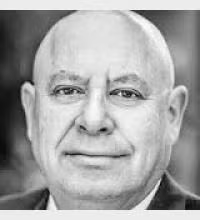
Alexander Bystritsky, MD, PhD
Director Emeritus -
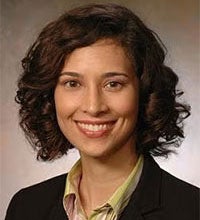
Margaret Gail Distler, MD, PhD
Director -
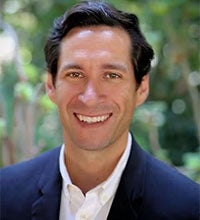
Trevor Schraufnagel, PhD
Associate Director -

Sahib Khalsa, MD, PhD
-
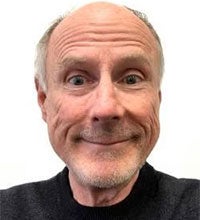
David Kronemyer, PhD
-

Raphael Rose, PhD
-

Tanya Vapnik, PhD
-
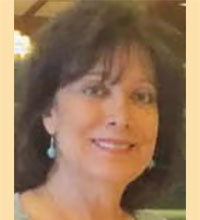
Linda Trozzolino, PhD
-
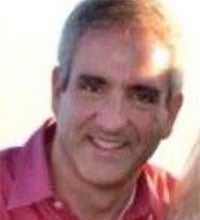
David Plotkin, PhD
-
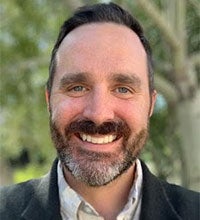
Peter Karinen, PsyD
-
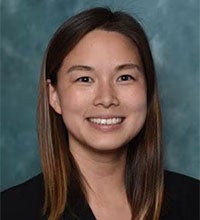
Erika Hsu, MD
Anxiety Disorder Clinic
The UCLA Anxiety Disorders Clinic uses the psychological intervention called “cognitive behavioral therapy” to treat anxiety disorders. It also offers medication management. For a free telephone evaluation of your anxiety disorder or to set up an appointment, please call (310) 206-5133.
Booking
Availability: Clinic hours usually are Wednesday mornings starting at 8:00 AM. Other times available by appointment.
Call (310) 206-5133 for a free telephone assessment or to set up an appointment.
Location
We are located at UCLA in 300 Medical Plaza, off Westwood Plaza. The closest parking structure is #1, enter off Gayley Avenue.
Site: 300 Medical Plaza at UCLA
Faculty and Staff
Director: Alexander Bystritsky
Research
UCLA Brain Stimulation Laboratory
Our primary research interest at the UCLA Brain Stimulation Laboratory is non-invasive brain stimulation as an intervention for psychiatric disorders. We recently completed clinical trials using transcranial magnetic stimulation (TMS) for unipolar depression, bipolar depression, and obsessive-compulsive disorder (OCD) and using transcranial direct current stimulation (tDCS) for Mild Cognitive Impairment (MCI). We also plan to conduct clinical trials using low-intensity focused ultrasound pulsation (LIFUP) for epilepsy, coma, and Alzheimer’s Disease.
Other current research projects involve the psychophysiology of social anxiety disorder; and how the belief structures of persons with psychological problems change following cognitive-behavioral therapy. We are also engaged in translational research by studying the effects of LIFUP on rats with PTSD.