Research Center

Leadership
Gail Wyatt, Ph.D.
Director
Contact Info
The Collaborative Center for Trauma and Mental Health Disparities
UCLA Semel Institute of Neuroscience & Biobehavioral Sciences
760 Westwood Plaza, 38-232
Los Angeles, CA 90024
(310) 794 9929
About
The Center for Culture, Trauma, and Mental Health Disparities is a multi-ethnic and multi-disciplinary group promoting interdisciplinary research examining the prevalence and impact of traumatic experiences on PTSD, depression and concomitant cognitive/emotional, behavioral, psychological and biological processes in ethnic minority populations.
Research
The overarching aim is to inform new strategies to reduce mental health disparities associated with trauma exposure. Multiple sources of acute and chronic stress combine to have a cumulative effect in the lives of ethnic minorities, giving rise to our use of the conceptual framework of allostatic load to:
- Describe the socio-cultural context in which violence occurs
- Examine cultural differences in the appraisal of traumatic events
- Identify protective and vulnerability factors within ethnic groups
- Characterize the expression of mental health symptoms and help-seeking that contribute to mental health disparities.
Current Research Projects
Past Research Projects
Coping Among Ethnic Men Sexually Abused as Children
Childhood sexual abuse (CSA) among males has frequently not been recognized, with a resulting underreporting of males as victims of CSA. The lack of awareness of men as sexual victims has been accompanied by a dearth of empirical studies on male CSA and attendant issues, such as the long-term psychological, behavioral and physical consequences experienced by such men. This study, focuses on ethnic minority men who have experienced CSA. It is interested in the relationships among coping strategies and mental and physical health for people with a history of CSA. The ultimate goal of this study is to elucidate these relationships for the eventual design of interventions to address the consequences of CSA. This study has the following aims:
- To determine if there are ethnic differences in the use of various coping strategies (e.g., religious/spiritual coping, escape-avoidance, seeking social support, etc.) among men sexually abused as children;
- To determine the relationships between various coping strategies, symptoms of depression and biomarkers of depression and chronic stress reflecting allostatic load, a composite of biomarkers representing cumulative stress history, among each of the ethnic groups; and,
- To determine the relationships between various coping strategies and the utilization of mental health services among those with demonstrated need for such services for each ethnic group.
One hundred and fifty men with a history of CSA will be recruited, with equal representations of African Americans, Latinos and non-Latino Whites. Participants will be recruited through a variety of means. Assessments will be made for depression, substance abuse, coping strategies, use of mental health services, and various covariates. Finally, urine and saliva samples and routine health indicators (e.g., body mass index and blood pressure) will be obtained to measure the cumulative biological effects of trauma (“allostatic load”). We plan to use this information as the basis for an R01 to develop interventions to reduce depression among men with CSA.
Disclosure & Appraisal in CSA: Relationships with PTSD, Depression, and Biomarkers
omen at high risk for PTSD and depression will be recruited from a community sample of Latina (N=55) and African American (N=55) women, ages 18-40, with histories of child sexual abuse (CSA). The aims are to:
- Examine the role of CSA severity (based on type of physical contact, relationship of the perpetrator to the child and amount of revictimization) on current symptoms of depression and PTSD and associated biomarkers of distress
- Determine if the relationship between CSA severity and negative outcomes is mediated by disclosure patterns (CSA not disclosed, disclosed/supported or disclosed/unsupported) and/or appraisal of self-blame; and
- Explore possible racial/ethnic differences in CSA severity, rates of disclosure, and appraisal patterns.
Biomarkers used in previous research quantifying cumulative burden of stress (allostatic load) will be assessed, including cortisol, DHEA, catecholamines, systolic and diastolic blood pressure and waist-to-hip ratio. Data will be collected during a face-to-face and ACASI interview using standardized psychological instruments and via a 12-hour overnight urine collection for assessment of neuroendocrine biomarkers. The findings from this pilot will be used to better understand the role of CSA severity, disclosure and appraisal of self-blame in the development of mental health problems among Latina and African American women. Implications from this study will contribute to the development of an R01 intervention for ethnically diverse women with histories of CSA, a population at high risk for mental and physical health impairments.
Intimate Partner Violence and Mental Health Outcomes among Latinas
The purpose of this project is to conduct longitudinal research on the impact of past and current intimate partner violence (IPV) on mental health disparities, specifically post traumatic stress disorder (PTSD), depression, and associated biomarkers, for 205 Latinas, ages 18-45. These women were identified during pregnancy as having exposure to IPV or not, and have been followed throughout the first year of their infant’s life. Information collected through the following proposed study will provide seven additional waves of data to be collected over a four year period for a total of six years. This represents a unique opportunity to accomplish an essential goal in trauma research: continue, long term follow-up of trauma survivors and serially abused victims from populations at risk for chronic PTSD, depression, and the neurobiological abnormalities associated with these disorders specifically and with chronic stress more generally. Biomarkers will collectively reflect allostatic load, a composite used to quantify cumulative effects of stress on biological systems. Biomarkers will include cortisol, norepineprhine, epinephrine, dopamine, DHEA, systolic and diastolic blood pressure and waist-to-hip ratio.
Faculty and Staff
-

Gail Wyatt, Ph.D.
Clinical Psychologist -

Hector F. Myers, Ph.D.
Professor of Clinical and Health Psychology -
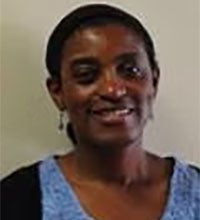
Arleen Brown, MD, PhD
Professor of Medicine -
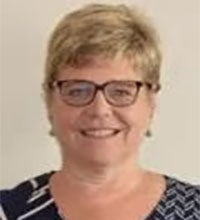
Alison Hamilton, Ph.D., M.P.H.
Principal Investigator -
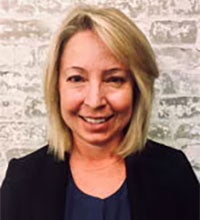
Tamra Loeb
Associate Research Psychologist -

Dorothy Chin
Associate Research Psychologist -
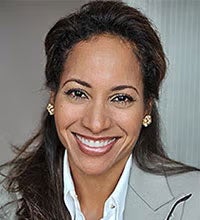
Michele Cooley-Strickland, M.Ed., Ph.D.
Clinical Psychologist / Project Scientist -

Muyu Zhang
Data Programmer -

Amber Smith, M.A.
Senior Research Administrative Analyst
Articles
Alegría, M., Fukuda, M., Lapatin Markle, S., & NeMoyer, A. (2019). Mentoring future researchers: Advice and considerations. American Journal of Orthopsychiatry, 89(3), 329-336. https://doi.org/10.1037/ort0000416 PDF
Belcher, H. M., Piggott, D. A., Sanders, R. A., & Trent, M. (2019). Research accountability groups and mentoring minutes: The M³ approach to promote public health infectious diseases research for diverse graduate students. American Journal of Orthopsychiatry, 89(3), 390-399. https:// doi.org/10.1037/ort0000413 PDF
Broughton, R. S., Plaisime, M. V., & Green Parker, M. C. (2019). Mentorship: The necessity of intentionality. American Journal of Orthopsychiatry, 89(3), 317-320. https://doi.org/10.1037/ort0000412 PDF
Burlew, A. K., Peteet, B. J., McCuistian, C., & Miller-Roenigk, B. D. (2019). Best practices for researching diverse groups. American Journal of Orthopsychiatry, 89(3), 354-368. https://doi.org/10.1037/ort0000350 PDF
Chin, D., & Kameoka, V. A. (2019). Mentoring Asian American scholars: Stereotypes and cultural values. American Journal of Orthopsychiatry, 89(3), 337-342. https://doi.org/10.1037/ort0000411 PDF
Chin, D., Loeb, T. B., Zhang, M., Liu, H., Cooley-Strickland, M., & Wyatt, G. E. (2020). Racial/ethnic discrimination: Dimensions and relation to mental health symptoms in a marginalized urban American population. American Journal of Orthopsychiatry. https://doi.org/10.1037/ort0000481 PDF
Ebor, M. T., Loeb, T. B., & Trejo, L. (2020). Social workers must address intersecting vulnerabilities among Noninstitutionalized, Black, Latinx, and older adults of color during the COVID-19 pandemic. Journal of Gerontological Social Work, 1-4. https://doi.org/10.1080/01634372.2020.1779161 PDF
El-Bassel, N., Jemmott, J. B., Landis, J. R., Pequegnat, W., Wingood, G. M., Wyatt, G. E., & Bellamy, S. L. (2010). National Institute of mental health multisite Eban HIV/STD prevention intervention for African American HIV Serodiscordant couples: A cluster randomized trial. Archives of Internal Medicine, 170(17), 1594-1601.
https://doi.org/10.1001/archinternmed.2010.261 PDF
Hamilton, A. B., Brown, A., Loeb, T., Chin, D., Grills, C., Cooley-Strickland, M., Liu, H. H., & Wyatt, G. E. (2020). Enhancing patient and organizational readiness for cardiovascular risk reduction among Black and Latinx patients living with HIV: Study protocol. Progress in Cardiovascular Diseases, 63(2), 101-108.
https://doi.org/10.1016/j.pcad.2020.02.014 PDF
Hamilton, A. B., Mittman, B. S., Campbell, D., Hutchinson, C., Liu, H., Moss, N. J., & Wyatt, G. E. (2018). Understanding the impact of external context on community-based implementation of an evidence-based HIV risk reduction intervention. BMC Health Services Research,18(1). https://doi.org/10.1186/s12913-017-2791-1 PDF
Holloway, I. W., Miyashita Ochoa, A., Wu, E. S., Himmelstein, R., Wong, J. O., & Wilson, B. D. (2019). Perspectives on academic mentorship from sexual and gender minority students pursuing careers in the health sciences. American Journal of Orthopsychiatry, 89(3), 343-353. https://doi.org/10.1037/ort0000410 PDF
Lanzi, R. G., Footman, A. P., Washington, T., & Ramey, S. L. (2019). Effective mentoring of underrepresented doctoral trainees and early career scholars in the biobehavioral and health sciences: A developmental framework to maximize professional growth. American Journal of Orthopsychiatry, 89(3), 378-389. https://doi.org/10.1037/ort0000366 PDF
Loeb, T. B., Joseph, N. T., Wyatt, G. E., Zhang, M., Chin, D., Thames, A., & Aswad, Y. (2018). Predictors of somatic symptom severity: The role of cumulative history of trauma and adversity in a diverse community sample. Psychological Trauma: Theory, Research, Practice, and Policy, 10(5), 491-498. https://doi.org/10.1037/tra0000334 PDF
Mashaphu, S., Burns, J. K., Wyatt, G. E., & Vawda, N. B. (2018). Psychosocial and behavioural interventions towards HIV risk reduction for serodiscordant couples in Africa: A systematic review. South African Journal of Psychiatry, 24. https://doi.org/10.4102/sajpsychiatry.v24i0.1136 PDF
Mashaphu, S., Wyatt, G. E., Zhang, M., Mthiyane, T., Liu, H., & Gomo, E. (2019). Effectiveness of an HIV-risk reduction intervention to reduce HIV transmission among serodiscordant couples in Durban, South Africa. A randomized controlled trial. AIDS Care, 32(5), 537-545. https://doi.org/10.1080/09540121.2019.1634785 PDF
Maulsby, C. H., Holtgrave, D. R., Hamilton, A. B., Campbell, D., Liu, H., & Wyatt, G. E. (2019). A cost and cost–threshold analysis of implementation of an evidence-based intervention for HIV-serodiscordant couples. AIDS and Behavior, 23(9), 2486-2489. https://doi.org/10.1007/s10461-019-02558-w PDF
Milburn, N. G., Hamilton, A. B., Lopez, S., & Wyatt, G. E. (2019). Mentoring the next generation of behavioral health scientists to promote health equity.
American Journal of Orthopsychiatry, 89(3), 369-377. https://doi.org/10.1037/ort0000415 PDF
Moagi, M., Wyatt, G., Mokgobi, M., Loeb, T., Zhang, M., & Davhana-Maselesele, M. (2018). Mozambican immigrants to South Africa: Their xenophobia and discrimination experiences. Journal of Psychology in Africa, 28(3), 196-200. https://doi.org/10.1080/14330237.2018.1475485 PDF
Novacek, D. M., Hampton-Anderson, J. N., Ebor, M. T., Loeb, T. B., & Wyatt, G. E. (2020). Mental health ramifications of the COVID-19 pandemic for Black Americans: Clinical and research recommendations. Psychological Trauma: Theory, Research, Practice, and Policy. https://doi.org/10.1037/tra0000796 PDF
Pemberton, J. V., & Loeb, T. B. (2020). Impact of sexual and interpersonal violence and trauma on women: Trauma-informed practice and feminist theory. Journal of Feminist Family Therapy, 1-17. https://doi.org/10.1080/08952833.2020.1793564 PDF
Smith, A. M., Hamilton, A. B., Loeb, T., Pemberton, J., & Wyatt, G. E. (2019). Reactions of novice interviewers conducting trauma research with marginalized communities: A qualitative analysis. Journal of Interpersonal Violence, 088626051988992. https://doi.org/10.1177/0886260519889925 PDF
Williams, J. K., Wyatt, G. E., & Wingood, G. (2010). The four Cs of HIV prevention with African Americans: Crisis, condoms, culture, and community.
Current HIV/AIDS Reports, 7(4), 185-193. https://doi.org/10.1007/s11904-010-0058-0 PDF
Wyatt, G. E. (2009). Enhancing cultural and contextual intervention strategies to reduce HIV/AIDS among African Americans.
American Journal of Public Health, 99(11), 1941-1945. https://doi.org/10.2105/ajph.2008.152181 PDF
Wyatt, G. E., & Belcher, H. M. (2019). Establishing the foundation: Culturally congruent mentoring for research scholars and faculty from underrepresented populations.
American Journal of Orthopsychiatry, 89(3), 313-316. https://doi.org/10.1037/ort0000417 PDF
Wyatt, G. E., Chin, D., Milburn, N., Hamilton, A., Lopez, S., Kim, A., Stone, J. D., & Belcher, H. M. (2019). Mentoring the mentors of students from diverse backgrounds for research. American Journal of Orthopsychiatry, 89(3), 321-328. https://doi.org/10.1037/ort0000414 PDF
Wyatt, G. E., & Davis, C. (2020). Foreword: The paradigm shift – The impact of HIV/AIDS on Black women and families: Speaking truth to power. Ethnicity & Disease, 30(2), 241-246. https://doi.org/10.18865/ed.30.2.241 PDF
Wyatt, G. E., Thames, A., Simbayi, L., Stein, D. J., Burns, J., & Maselesele, M. (2017). Trauma and mental health in South Africa: Overview. Psychological Trauma: Theory, Research, Practice, and Policy, 9(3), 249-251. https://doi.org/10.1037/tra0000144 PDF
Media
Chin, D. & Axelrod, J. (1999). Women and HIV – Four Stories. [Video]. https://drive.google.com/file/d/1u6jdBfYAcmu-1Hesu5eLz1PqAlqJSPQy/view
Women and HIV- Four Stories