Research Program
Leadership
David Miklowitz, PhD
Program Director
Contact Info
https://teams.semel.ucla.edu/champ
760 Westwood Plaza
A-Floor, South Corridor
Los Angeles CA
(310) 825-2836
About
The Max Gray Child and Adolescent Mood Disorders Program (CHAMP) offers comprehensive treatment and research for youth affected by mood disorders, including depression and bipolar disorder. It provides diagnostic evaluations, psychotherapy, medication management, and family support tailored to each child’s needs. The program is also a research hub, studying the course and treatment of mood disorders in young people. The Max Gray Fund supports the program’s work by funding access to care for underinsured families and advancing clinical research. The program’s mission is to reduce suffering and help children lead more stable, fulfilling lives.
Max Gray Child and Adolescent Mood Disorders Clinic (Max Gray CHAMP)

The Max Gray CHAMP program provides diagnostic evaluations, second opinion consultation, and short-term treatments (medication management and various forms of psychotherapy) for youth who have symptoms of significant and impairing mood disorders and their families. The Program’s focus is on pediatric bipolar disorder (extreme high and low moods).
Services:
- Psychological Assessment (includes assessments for ALL major Axis I diagnosis)
- Medication Consultation
- Short-term family therapy
- Short-term medication management
- Referrals for specialized procedures and/or ongoing care
Max Gray Fellowship Program:
Funded by Laurie Gordon and the Max Gray Fund for Treatment of Mood Disorders, the Max Gray Fellowship is a specialized program made up of post-doctoral psychologists and psychiatrists specializing pediatric mood disorders. Generally, the fellows offer diagnostic evaluations, second opinion consultations, and short-term pharmacological and psychosocial treatments for youth with significant and impairing mood disorders.
For more information, visit: https://www.semel.ucla.edu/maxg
Ideal referral candidates:
We will see children from age 7 years to 17 years, 11 months in our billing clinic. We also assess and treat youth up through age 21 in our research program.
Booking:
Refer patients to the Max Gray CHAMP central number: (310) 825-2836.
For more Max Gray CHAMP information, please visit our website https://www.uclahealth.org/max-gray-child-and-adolescent-mood-disorders-champ-program
Location:
Semel Institute/NPI
760 Westwood Plaza A-Floor, South Corridor
Los Angeles, CA 90024
United States
Phone: (310) 825-2836
Max Gray CHAMP Research
Treatment Research
The philosophy of the UCLA Child and Adolescent Mood Disorders Clinic is to conduct state-of-the-art treatment studies to enhance clinical care for youth and young adults with bipolar disorder or other mood challenges, and their families.
Max Gray CHAMP Research Program is currently looking for families interested in ketogenic therapy and/or other bipolar treatments for youth 12 to 21 with bipolar disorders. We are also interested in interviewing teens ages 13 to 17 with depressive symptoms who use social media.
Please see the Research Projects below & contact us if interested in one of our currently enrolling studies.
Featured Studies
A KETOGENIC THERAPY STUDY FOR YOUTH WITH BIPOLAR DISORDER–NOW ENROLLING
This is a NEW pilot study of ketogenic diet therapy for youth ages 12 to 21 with bipolar spectrum disorders (BSDs) across four US sites of The Childhood Bipolar Network (CBN). The primary aims of this study are to learn whether combining a 16-week ketogenic diet (low carbohydrate, moderate protein, high fat) with standard of care psychiatric treatment is feasible, well-tolerated, and associated with youth improvement (such as in depression, executive functioning, metabolic variables, and inflammatory markers). Youth with BSD (up to 20/site) will participate in eligibility assessments and follow along research visits (with some in person and some via telehealth). Parental involvement is encouraged and required for minors. Youth will meet with their dietician online on a weekly basis, and they are provided fresh keto meals delivered to their residence (or compensation for keto groceries). Families also receive nutritional and bipolar education and motivational tips. No medication is provided or required as part of the study but a study psychiatrist will oversee their care at monthly visits; as appropriate, youth may be offered medication management or referrals. At-home fingerstick testing multiple times per week is required during the diet. Compensation is provided for completing fingerstick tests, research interviews, questionnaires, and bloodwork.
Project Contact: CHAMP Clinic (310-825-2836)
More information: Keto Study Press Release
CHILD BIPOLAR NETWORK–NOW ENROLLING
This is a naturalistic treatment and follow-up study of youth with bipolar spectrum disorders (BSDs) across four US sites of The Childhood Bipolar Network (CBN). CBN sites have expertise in diagnosing, assessing, and treating BSDs in youth. The primary aims of this study are to (1) identify and reliably diagnose youth (ages 9 to 21 yrs) with full bipolar disorder (BD) and BSDs, and (2) examine predictors (e.g., mood instability, inflammatory marker C-reactive protein) of clinical outcome over a 12 month period. Participating youth will initially complete a screening that includes a structured diagnostic interview and a baseline blood draw to measure inflammatory processes. Youth with BSD and parents (80 families) will be asked to participate in multiple follow up research visits with interviews, rating instruments, and questionnaires. Per established CBN guidelines, study psychiatrists will provide and track medication management and sites will also track psychosocial treatments. This study ultimately aims to further understanding of best practice pediatric BSD psychiatric and psychosocial treatments and development of a standardized and validated set of clinical tools for patient assessment, diagnosis, and tracking.
Project Contact: CHAMP Clinic (310-825-2836)
More information: Child Bipolar Network
MOOD AND SOCIAL MEDIA IN TEENAGERS
This is a new study for teens (ages 13-17) with at least a few depressive symptoms who use any level of social media. This research study aims to examine how social media affects teenage mood disorders, examining both strengths and potential downfalls. Parents and teens will both participate in a mix of online interviews and surveys. The study lasts 3 months. No treatment is offered, but parents and teens will be compensated for their time, and responses are private and confidential.Project Contact: Dr. Lauren Eales (310-845-6143)
UPLIFT FAMILY FOCUSED THERAPY–ENROLLMENT IS NOW CLOSED
UPLIFT is a family treatment program for teens and young adults (ages 13 – 25 years) who are struggling with problems with thinking, mood, and daily functioning – what we call psychosis risk syndromes. We are a network of seven university clinics doing research on effective treatments for young people with psychosis syndromes. ENROLLMENT IS NOW CLOSED. We are inviting you to learn about psychosis syndromes and determine whether you and your family want to take part in our treatment and research program. There are seven universities involved (see Contacts), University of California, Los Angeles(UCLA), University of California, San Diego (UCSD), University of California, San Francisco (UCSF), University of Calgary (Calgary, Canada), Beth Israel Deaconess Hospital (Boston, MA), Zucker-Hillside Hospital (New York), and Yale University (New Haven, CT).
Project Contact: CHAMP Clinic (310-825-2836)
Current Research Projects
Child Bipolar Network
This is a naturalistic treatment and follow-up study of youth with bipolar spectrum disorders (BSDs) across four US sites of The Childhood Bipolar Network (CBN). CBN sites have expertise in diagnosing, assessing, and treating BSDs in youth. The primary aims of this study are to (1) identify and reliably diagnose youth (ages 9 to 21 yrs) with full bipolar disorder (BD) and BSDs, and (2) examine predictors (e.g., mood instability, inflammatory marker C-reactive protein) of clinical outcome over a 12 month period. Participating youth will initially complete a screening that includes a structured diagnostic interview and a baseline blood draw to measure inflammatory processes. Youth with BSD and parents (80 families) will be asked to participate in multiple follow up research visits with interviews, rating instruments, and questionnaires. Per established CBN guidelines, study psychiatrists will provide and track medication management and sites will also track psychosocial treatments. This study ultimately aims to further understanding of best practice pediatric BSD psychiatric and psychosocial treatments and development of a standardized and validated set of clinical tools for patient assessment, diagnosis, and tracking.
Project Contact: Anabel Salimian at (310) 906-0917
More information: Child Bipolar Network
UPLIFT family focused therapy
UPLIFT is a family treatment program for teens and young adults (ages 13 – 25 years) who are struggling with problems with thinking, mood, and daily functioning – what we call psychosis risk syndromes. We are a network of seven university clinics doing research on effective treatments for young people with psychosis syndromes. We are inviting you to learn about psychosis syndromes and determine whether you and your family want to take part in our treatment and research program. There are seven universities involved (see Contacts), University of California, Los Angeles(UCLA), University of California, San Diego (UCSD), University of California, San Francisco (UCSF), University of Calgary (Calgary, Canada), Beth Israel Deaconess Hospital (Boston, MA), Zucker-Hillside Hospital (New York), and Yale University (New Haven, CT).
Project Contact: 310-206-3466
More information: UPLIFT
Past Research Projects
Cognitive Therapy Skills Groups for Teens and Young Adults
Project Description
The aim of Cognitive Therapy Skills Groups is to help teens better cope with mood, stress, and life difficulties. The therapy includes mindful strategies, cognitive-behavioral techniques, psychoeducation, and peer support. Teens helped to develop the course and classes are conducted in a confidential group therapy setting at UCLA. Parents meet in a separate space to learn how to best support their teens in building and practicing their new skills.
Project Contact
Danielle Denenny, Ph.D., ddenenny@mednet.ucla.edu
Primary Investigator: David Miklowitz, Ph.D.
Project Procedures
- 9 weeks
- Diagnostic assessment
- Up to two post-treatment assessments
Eligible Participants
- Ages 13 – 24 years of age
- Mood Challenges or Prodrome
- Youth and a primary caregiver are fluent in English
Compensation
for research assessments
Project Status
actively recruiting teens 13-18
Primary Investigator: David Miklowitz, Ph.D.
Early Intervention for Youth at Risk for Bipolar Disorder
Project summary
The Child and Adolescent Mood Disorders Program (CHAMP) at UCLA is recruiting participants for a study of children AT RISK for bipolar disorder. Eligible families will have a biological parent with bipolar disorder and a child or teen (age 9-17) with mood swings or significant sadness. Participating families will receive a diagnostic evaluation, family-based therapy, and, when relevant, medication management from a psychiatrist. There is no charge for participating in this research program.
To qualify:
- 1. The child must have a biological parent with bipolar disorder.
- 2. The child must be between the ages of 9 – 17 years old.
- 3. The child must be exhibiting symptoms of depression or impairing mood swings.
- 4. The child does not have a developmental disorder and is not currently using drugs or alcohol.
Family Focused Therapy Implementation Study 3.0
Project summary
UCLA IRB#14-000248
Project Status
Open for enrollment
Project Contact
Brittany Matkevich (310) 825-2836
Project Description
Family Focused Therapy (FFT) is an evidence-based, family psychosocial intervention that has been shown in 6 randomized trials to improve outcomes for bipolar adolescents and adults. The present study aims to compare different approaches to training community mental health providers (social workers, psychiatrists and psychologists) in Family Focused Therapy.
Project Procedures
- 12 sessions of FFT
- Diagnostic assessment
- Research follow-up evaluations (4 and 12 months after initial assessment)
- Community Mental Health Clinicians: We will enroll mental health clinicians to either high-intensity or low-intensity training in FFT.
Eligible Participants
- Between 13-25 years of age
- Diagnosis of bipolar disorder (BD) type I or II; schizophrenia, schizophreniform disorder, or psychosis not otherwise specified [NOS]; bipolar disorder, not elsewhere classified (formerly bipolar NOS
- Family member, or significant other willing to participate in treatment
- Fluent in English
Compensation
Up to $150
Current status: Project live
Primary Investigator: David Miklowitz, Ph.D., Bowen Chung, M.D.
Family Focused Therapy with Mobile App
Family Focused Therapy
Families in this study will be provided with Family Focused Therapy, a family intervention that has been shown in clinical trials to significantly aid youth with mood and stress challenges and their caregivers. The present study aims to learn how mobile technology enhances Family Focused Therapy for youth at risk for chronic mood difficulties. Family Focused Therapy was developed by CHAMP Director David Miklowitz and colleagues.
Families May Qualify If
- Teen (13-19) has current mood challenges
- A biological parent had a period of significant mood challenges (bipolar or depression) in childhood or adulthood
- A primary caregiver is willing to participate in treatment
- Youth and at least one primary caregiver is fluent in English
- Youth and at least one primary caregiver is willing to spend time between sessions using the therapy-enhancing tech tool
- Youth does not have a psychotic disorder or autism spectrum disorder
Benefits
- Diagnostic assessment and intervention
- Payment for research evaluations (at intake, 9, 18, and 27 weeks) and app usage. Up to $410 total per family.
Primary Investigators: David Miklowitz, Ph.D., Armen Arevian, M.D., Ph.D.
Project Contact: Samantha Frey (310) 825-4354
Inflammation in Mood Disorders
Project summary
This study is sponsored by the Integrated Mood Disorders Study Center and the Cousins Center for Psychoneuroimmunology at UCLA. The goal of this study is to understand whether different mood states and mood disorders are associated with inflammation (a typical physical response to injury or infection) among children and adolescents. We will be asking youth and their parents to answer some questions about the youth’s moods, relationships and daily activities. We will also be collecting a small sample of blood from the youth so we can look at levels of inflammation in the blood of different youth.
To qualify:
- Children ages 12-18 years
- Currently in good physical health
- Diagnosis of Bipolar Spectrum Disorders OR Major Depressive Disorder
Project Status: Enrollment is closed for this study
Current status: Project live.
Primary Investigator: David Miklowitz, Ph.D.
Mentalization Based Therapy for Young People with Mood Disorder 2.0
Project summary
UCLA IRB#14-001929
Project Status
Open for enrollment
Project Contact
Brittany Matkevich (310) 825-2836
Project Description
This study aims to compare the effectiveness of a new therapy called Mentalization-Based Therapy (MBT) to Family Focused Therapy (FFT) – an evidence based intervention that has been shown in 6 randomized trials to improve outcomes of bipolar disorder in adolescents and adults. Treatment will provide support for individuals that are currently experiencing depression, self harm thoughts or self harm behaviors.
Project Procedures
- Weekly, biweekly and monthly individual Mentalization-Based Therapy (MBT) sessions for up to 6 months plus monthly family sessions to help families learn about mood problems and how to cope with mood swings
or - Weekly, biweekly and monthly Family Focused Therapy (FFT) sessions for up to 6 months that provide support for the family which includes psychoeducation, problem solving and communication skills training
- Psychiatric evaluations and care can be provided through the CHAMP clinic (with eligible insurance)
- Diagnostic assessment
- Three research follow up evaluations (3, 6 and 9 months after initial assessment)
Eligible Participants
- Between 13-21 years of age
- Diagnosis of Mood Disorder (includes Bipolar Spectrum and Major Depressive Disorder)
- Family member, or significant other willing to participate in treatment
- Fluent in English
Compensation
Up to $150
Current status: Project live
Primary Investigator: David Miklowitz, Ph.D.
Mindfulness Based Cognitive Therapy for Parents
Project summary
UCLA IRB#16-001529
Project Status
Open for enrollment
Project Contact
Danielle Denenny, PhD (310) 825-8740
Project Description
Mindfulness-Based Cognitive Therapy for Parents of Youth with Mood Disorders (MBCT-P) is an intervention that was developed to support the mental health and well-being of individuals caring for a child. MBCT-P includes parent sessions of mindfulness meditation practice, mindful parenting strategies, cognitive-behavioral techniques, psychoeducation on mood disorders, and peer support.
Project Procedures
- Eight weeks (1 per week) of MBCT-P classes plus a 9th check-in session one month later
- Diagnostic assessment
- Two research follow up evaluations (3 months and 6 months after initial assessment)
Eligible Participants
- Adult caregiver of youth ages 7-17 with mood disorders
- Youth 7-17 years of age willing to participate in a research assessment
- Fluent in English
Compensation
Up to $100
Current status: Project live
Primary Investigator: David Miklowitz, Ph.D.
Mindfulness-Based Cognitive Therapy for Perinatal Women with Mood Disorders
Project summary
Are you planning to have a baby, pregnant, or recently had a baby? Have you ever experienced depression or bipolar disorder? A new research study at UCLA may be right for you. Mindfulness-Based Cognitive Therapy (MBCT) includes 8 weekly classes (2 hours each). For more information see the website below.
Project Status: Enrollment is closed for this study
Current status: Project live.
MBCT for Perinatal Women with Mood Disorders
Mood Changes and Immune Functioning in Young Adults with Mood Disorders
Summary
This study was developed to utilize voice recognition technology that tracks mood changes over time in individuals with a mood disorder. Participants will call into an interactive wellness journal to answer questions about how they are doing and feeling. In addition to weekly calls, participants complete blood draws.
Project StatusOpen for enrollment
Project ContactGeorga Morgan-Fleming (310) 267-4901
Primary Investigators: David Miklowitz, Ph.D., Michael Irwin, M.D., Armen Arevian, Ph.D.
Procedure
- Diagnostic assessment
- Two in-person research follow up evaluations (3 and 6 months)
- Two blood draws (Initial and 6 month)
- Bi-weekly calls into the Voice Wellness Journal and online questionnaires
Eligible Participants
- Between 18-29 years of age
- Diagnosis of a mood disorder, or symptoms that indicate probable diagnosis
- No current substance use disorder
- No chronic medical condition that interferes with immune system function (such as thyroid condition)
- No autism spectrum disorder diagnosis
- No seizure disorder
- No use of steroid medications/ immunizations within the past week of enrollment
- No illness (cold, flu, etc.) within 3 weeks of enrollment
- Fluent in English
Compensation
Up to $365
Current status: Project live
Primary Investigator: David Miklowitz, Ph.D., Michael Irwin, M.D., Armen Arevian, Ph.D.
Mood Disorders in Adults: Community Registry Study
UCLA IRB#13-000510
Project Status
Open for enrollment
Project Description
This study was designed to create a registry database regarding persons who have a mood disorder and may have mood disorders in their family trees. The database is intended as a platform for encouraging innovative cross-lab investigations of the faculty of the UCLA Integrative Study Center in Mood Disorders (IMDC). Participants will be persons with a history of mood disorders (major depression, bipolar disorder or schizoaffective) and complete a battery of assessments of diagnosis, symptom severity, work, academic and social functioning, risk and resiliency factors, and treatment history.
Project Contact
Sam Frey (310)825-4354
Project Procedures
- Diagnostic assessment
- One follow up assessment
Eligible Participants
- 18 – 65 years of age
- Diagnosis of Mood Disorder (includes Bipolar Spectrum and Major Depressive Disorder or Schizoaffective Disorder), or symptoms which could indicate a mood disorder diagnosis
- Fluent in English
Compensation
Up to $100
Current status: Project live
Primary Investigator: David Miklowitz, Ph.D.
Risk-taking and Self-Harm in Bipolar Disorder
Project summary
The Child and Adolescent Mood Disorders Program (CHAMP) at UCLA is recruiting participants for a study of children with bipolar disorder. Eligible families will have a child or teen (age 9-17) with bipolar disorder and will be able to come to UCLA one time for a comprehensive assessment.
To qualify:
- The child must be between the ages of 9-17 years old.
- Diagnosis of Bipolar Spectrum Disorders
- The child does not have seizures, autism, mental retardation, or another developmental disorder.
For more information, contact Dr. Alissa Ellis at (310) 825-0118 or aellis@mednet.ucla.edu
Project Status: Open for enrollment
Current status: Project live.
Primary Investigator: Carl Fleisher, M.D.
The Max Gray CHAMP Team
-

David Miklowitz, Ph.D.
Program Director -
Patricia Walshaw, Ph.D.
Program Co-Director -

Robert Suddath, M.D.
Child Psychiatrist -

Elizabeth Horstmann, M.D.
Medical Director -

Sarah Marvin, Ph.D.
Psychologist -

Alissa Ellis, Ph.D.
Child Neuropsychologist -

Angus Strachan, Ph.D.
Psychologist -
Danielle Denenny, Ph.D.
Clinical Research -
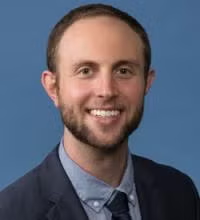
Marc Weintraub, Ph.D.
Assistant Clinical Professor -
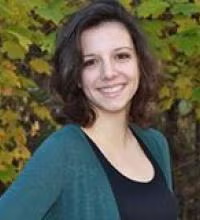
Georga Morgan-Fleming, B.A.
Clinic Coordinator & Research Associate -
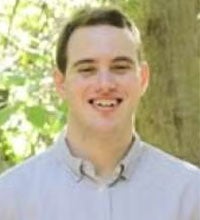
Shelby Grody, B.A.
Research Coordinator -
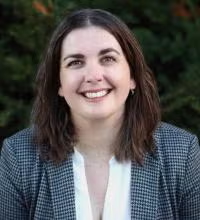
Lauren Eales, Ph.D.
Postdoctoral Fellow -
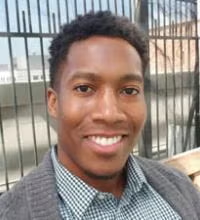
Greg Barnett, M.D.
Max Gray Psychiatry Fellow -

Megan Ichinose, Ph.D.
Max Gray Postdoctoral Fellow -
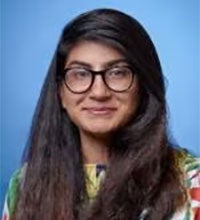
Manal Khan, M.D.
Max Gray Psychiatry Fellow -
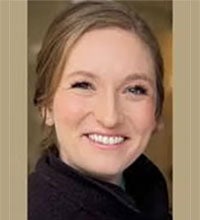
Jessica Burns, Psy.D., M.A.
Max Gray Postdoctoral Fellow -
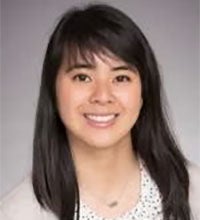
Jenny Nguyen M.D.
Max Gray Psychiatry Fellow -

Research Clinic
Self-Help Resources on Pediatric Bipolar Disorder
- Miklowitz, D. J. (2019). The Bipolar Disorder Survival Guide, 3rd edition. New York: Guilford Publications.
- Miklowitz, D. J. & George, E. L. (2007). The Bipolar Teen: What You Can Do to Help Your Child and Your Family. New York: Guilford Publications. (Includes an extensive “Resource” section, including referrals to relevant educational services, residential treatment facilities, and outpatient treatment)
- Miklowitz, D. J. (2008). Bipolar Disorder: A Family-Focused Treatment Approach (2nd Edition, revised). New York: Guilford Publications.
- Miklowitz, D. J. & Cicchetti, D., Eds. (2010). Understanding Bipolar Disorder: A Developmental Psychopathology Perspective. New York: Guilford Press.
More information about Mood Disorders in general can also be found at the UCLA Mood Disorders website, www.semel.ucla.edu/mood
Websites:UCLA Youth Stress and Mood Program: www.semel.ucla.edu/youth-stress
Balanced Mind Foundation: www.bpkids.org
Juvenile Bipolar Research Foundation: www.bpchildresearch.org
Brain and Behavior Research Foundation: www.bbrfoundation.org
National Institute of Mental Health: www.nimh.nih.gov
National Alliance on Mental Illness: www.nami.org
Depressive and Bipolar Support Alliance: www.dbsalliance.org
Psychological Care and Healing Treatment Center (Los Angeles): www.pchtreatment.com
101 best websites: http://www.mastersincounseling.org/bipolar-depression.html
FOR CLINICIANS:Miklowitz, D.J., George, E. L., & Taylor, D. O. (2012). FFT-HR: Clinicians’ Manual for the Family-Focused Treatment of Children and Adolescents at High Risk for Bipolar Disorder. UCLA School of Medicine, Los Angeles, CA.
FAMILY-FOCUSED TREATMENT MANUAL
Books

The Bipolar Disorder Survival Guide, Third Edition: What You and Your Family Need to Know
Description
Bipolar disorder is a lifelong challenge—but it doesn’t have to rule your life. Find the science-based information you need in the revised third edition of this indispensable guide. Trusted authority Dr. David J. Miklowitz shares proven strategies for managing your illness or supporting a loved one with the disorder. Learn specific steps to cope with mood episodes, reduce recurrences, avoid misdiagnosis, get the most out of treatment, resolve family conflicts, and make lifestyle changes to stay well. Updated throughout, the third edition has a new chapter on kids and teens; the latest facts on medications and therapy, including important advances in personalized care; and expanded coverage of the bipolar II subtype. It features boxes on complementary and alternative treatments and provides downloadable practical tools.
Praise
“The author’s expertise, compassion, and experience are evident throughout….Well worth reading and remembering.” —NAMI Advocate (on the first edition)
“Recommended for patient education libraries and medium and large public libraries.”—Library Journal (on the first edition)
“This book is a true gift. As parents, watching our daughter’s illness unfold was terrifying and heartbreaking. I only wish that Dr. Miklowitz’s book had been available then to help guide us on this rollercoaster of a journey. It not only gives sufferers and their family members a better understanding of bipolar disorder, but also shows how to achieve stable moods and lead a full life.”—Vicky G., Santa Monica, California
“A practical, straightforward book that will be a great help to those who have bipolar illness, as well as their families. I could not recommend this book more highly.” —Kay Redfield Jamison, PhD, author of An Unquiet Mind and Robert Lowell, Setting the River on Fire
“I used to spend way too much time searching the Internet for tips on managing my bipolar disorder. Now, whenever I need ideas about how to feel better, I just pick up The Bipolar Disorder Survival Guide. It is an incredible resource that gives me tons of new and effective coping strategies to try. Reading it, you’ll feel like an expert is taking the time to really talk to you—it’s clear that Dr. Miklowitz cares.” —Christine S., Houston, Texas
“Dr. Miklowitz is an experienced therapist and skilled researcher whose decades of work with people with bipolar disorder shine through in this easy-to-follow book. If you or a loved one have bipolar disorder, I highly recommend this updated third edition.” —Mary A. Fristad, PhD, ABPP, Department of Psychiatry and Behavioral Health, The Ohio State University Wexner Medical Center
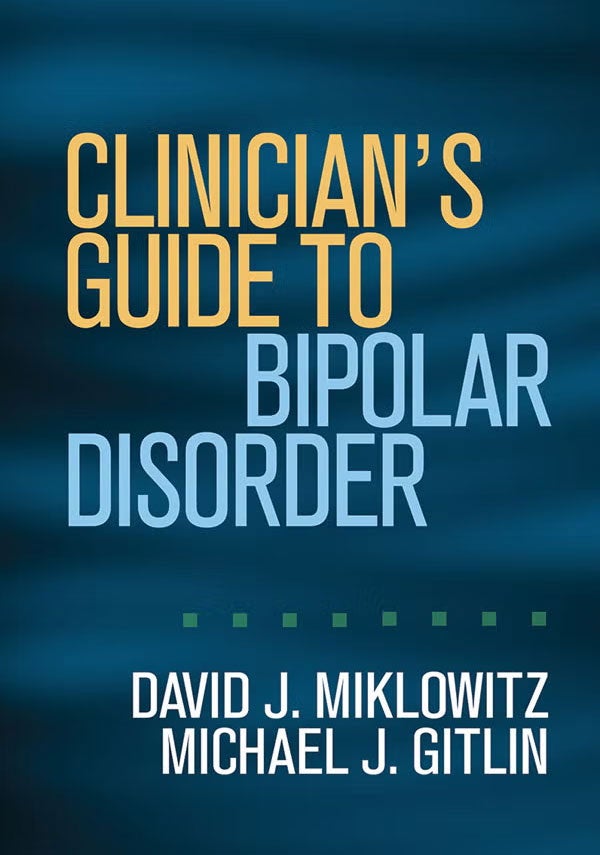
Clinician’s Guide to Bipolar Disorder, by David J. Miklowitz and Michael J. Gitlin
Description
This much-needed volume gives clinicians essential strategies for managing the complexities of bipolar disorder and tailoring treatment to each patient’s changing needs. Highly readable, accessible, and pragmatic, the book provides expert guidance on critically important treatment questions. It addresses which medications to try and at what dosages, what psychosocial interventions are most helpful at different phases of the illness, how to continually monitor and fine-tune treatment to keep patients functioning well, and how to involve family members productively. The authors draw on state-of-the-art research as well as extensive clinical experience as a psychotherapist and a psychopharmacologist. Vivid case material is included throughout. Reproducible questionnaires and forms can be downloaded and printed in a convenient 8½” x 11″ size.
Praise
“There are, of course, a plethora of good books on this subject….What sets this work of Miklowitz and Gitlin apart is an emphasis on integrating psychopharmacology and psychotherapy as coequals and essential for maximizing treatment effectiveness and functional outcome. The authors are renowned researchers and clinicians who have collaborated for decades utilizing the knowledge and techniques they so cogently describe….Throughout the text are clinical vignettes that help illustrate how the authors have applied these concepts and recommendations that enliven the book and will resonate with any clinician who has worked with people who have bipolar disorder….This is as comprehensive a primer on bipolar disorder as one can find. It is well written by just two authors, leading to a uniformity of tone and lack of redundancy. It uniquely addresses blended treatment from the perspective of both a psychotherapist and a psychopharmacologist. If a clinician-in-training were to read only one book about this topic, they couldn’t do better than this one, and even seasoned clinicians would learn much from it, as did I.”—Journal of Clinical Psychiatry
“It will be extremely valuable for trainees and clinicians who are learning or struggling with the nuances of diagnosing and treating this complicated illness.”—Doody’s Review Service
“An excellent guide to the treatment of a complicated, common, and potentially lethal illness. The authors’ deep understanding of depression and mania is obvious on every page and their clinical recommendations are sophisticated and practical.”
—Kay Redfield Jamison, PhD, The Dalio Family Professor in Mood Disorders and Professor of Psychiatry, Johns Hopkins University School of Medicine
“Books about bipolar disorder abound, but what makes this one unique is that it clearly conveys that pharmacotherapy and psychotherapy must function as an integral whole. The authors’ scholarly track records qualify them as experts, but beyond that, their real qualification is their decades of clinical experience. Two of the main emphases are especially gratifying to me: first, that treatment is a collaboration between doctor and patient, a truism often cited but rarely practiced; and second, that family members are integral to the treatment team. The extensive, well-chosen case examples bring the book alive and will help readers remember the many important clinical points.”
—Frederick K. Goodwin, MD, Director, Center on Neuroscience, Medical Progress, and Society, George Washington University Medical Center
“This is a marvelously written and practical book on treatment of the individual patient with bipolar disorder. It has many case examples of difficult problems that are commonly encountered, and multiple precise ways to deal with them. A major focus is integrating pharmacotherapy with psychotherapy, psychoeducation, and family involvement in the therapeutic process. If patients are treated according to the principles enumerated in this book, it is clear that they will do very well.”
—Robert M. Post, MD, Bipolar Collaborative Network, Bethesda, Maryland; Department of Psychiatry, George Washington University
“Miklowitz and Gitlin have teamed up to produce an invaluable volume. This unique book covers essentially everything the clinician needs to know to effectively diagnose and treat bipolar disorder in an integrated and personalized way. The chapters on treatment are particularly notable for distilling the wisdom of these two highly skilled experts into usable strategies and tactics that don’t necessarily follow any single model of treatment, but integrate the most effective parts of several models. This is ‘must’ reading for clinicians who are embarking on the treatment of these challenging patients or who want to update their skills.”
—Ellen Frank, PhD, Distinguished Professor of Psychiatry and Professor of Psychology, University of Pittsburgh School of Medicine
“Miklowitz and Gitlin share a wealth of clinical pearls, providing clinicians with a road map for how to best diagnose bipolar disorder and promote mood stabilization and recovery. A great resource for clinicians, students, and the field.”
—Mark A. Frye, MD, Professor and Chair, Department of Psychiatry and Psychology, Mayo Clinic College of Medicine
Contact Us
Max Gray CHAMP scheduling and information number: (310) 825-2836
Dr. David Miklowitz, Clinic Director: DMiklowitz@mednet.ucla.edu
Georga Morgan-Fleming, Operations Director: gmorganfleming@mednet.ucla.edu
Location:
Semel Institute/NPI
760 Westwood Plaza A-Floor, South Corridor, room A8-216
Los Angeles, CA 90024
United States
Phone: (310) 825-2836