news
In Memoriam: Edythe D. London, PhD
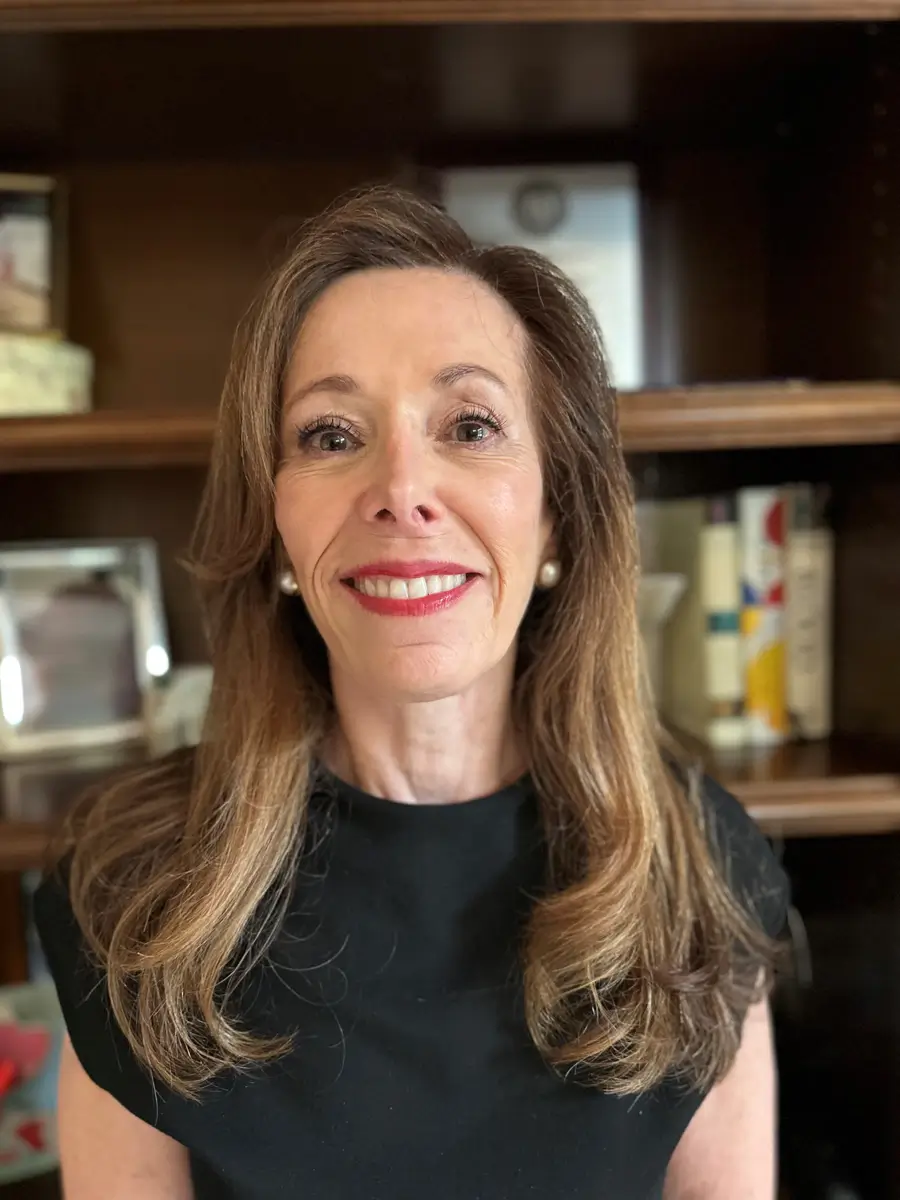
Message from Drs. Helena Hansen, Michael Gitlin, Christopher S. Colwell, Ziva D. Cooper, Dara Ghahremani, Catherine Cahill, Christopher J. Evans, and Gina Poe
It is with profound sadness that we announce the passing, after a brief illness, of our esteemed colleague and friend, Dr. Edythe (“Eydie”) D. London, Distinguished Professor In-Residence, Thomas and Katherine Pike Professor of Addiction Studies, Departments of Psychiatry and Biobehavioral Sciences, Molecular & Medical Pharmacology at UCLA, and a pioneering force in the neurobiology of addiction. Eydie passed peacefully on August 25th, 2026. One letter cannot possibly encompass all of Dr. London’s extraordinary talents, her fierce advocacy, and the many ways she enriched the lives of those around her.
Dr. London, a child of Holocaust survivors, was born in a post-World War II European refugee camp, and her parents faced intense struggles as new immigrants in the United States. As with survivors who lost almost everything in Europe before fleeing to America, Dr. London grew up facing many challenges, but she showed immense resilience, which she clearly continued to display throughout her lifetime. An early inspiration she shared was that growing up in the 1950s and 1960s, she recalled that the launch of Sputnik, when she was a child, sparked her lifetime passion for science, giving her the sense that science could “open the universe and change the world.”
Dr. London’s career was defined by extraordinary intellectual vision, scientific rigor, and an unwavering commitment to bridging the disciplines of psychiatry, pharmacology, and neuroscience. After receiving her Ph.D. in Pharmacology from the University of Maryland and completing postdoctoral training at Johns Hopkins University School of Medicine, she spent 23 years at the National Institute on Drug Abuse (NIDA) Intramural Research Program, directing the Brain Imaging Center before joining the UCLA faculty in 2001.
A true pioneer in the brain-imaging field, her groundbreaking research aimed to clarify the neural bases of addiction and paved the path to developing evidence-based, neuroanatomically-based treatments. Her career featured major scientific “firsts,” including mapping the acute, euphorigenic effects of abused drugs and publishing the first original report on mapping drug craving in the human brain. With over 420 peer-reviewed papers, thirteen of which are citation classics with over 500 citations, and an h-index of 114, Dr. London’s prolific scientific accomplishments fundamentally transformed our collective understanding of substance use disorders. Dr. London received the highest honors from the College on Problems of Drug Dependence (CPDD), where she delivered her major award lectures: the Marian W. Fischman Memorial Lectureship Award in 2008 and the Nathan B. Eddy Memorial Award in 2023 – awards for distinguished and sustained contributions to addiction research. She also received the 2011 AAAS Scientific Freedom and Responsibility Award in recognition of her public advocacy regarding the importance of scientific research on animals and delivered the prestigious H.W. Magoun Lectureship at UCLA (2019).
Dr. London was widely recognized for her leadership, service, and advocacy within the scientific community. A member of the College on Problems of Drug Dependence (CPDD) since 1997, she served on its Board of Directors and remained a vital presence in the organization. Her commitment to using science to address societal challenges was also showcased in her congressional testimony before the U.S. House Subcommittee on Research and Technology regarding methamphetamine addiction.
Before establishing her renowned research program at UCLA, Dr. London built a distinguished career at NIDA, where she directed a highly productive laboratory, and pioneered early neuroimaging techniques. She stepped into her career using the then-new deoxyglucose method to map in vivo drug action in animal models, clarifying the circuitry of abused drugs and heralding the discovery of the role of habenular α5 nicotinic acetylcholine receptors in nicotine response. Her work extended from these animal models to directing the development of radiotracers for PET and SPECT imaging in humans, facilitating studies of Tobacco Use Disorder and other neuropsychiatric diseases. She continued this work at UCLA leading the Laboratory for Molecular Neuroimaging (later renamed Neuroimaging and Addiction Treatment Laboratory) incorporating functional and structural MRI for a multi-modal neuroimaging program that linked molecular and cognitive neuroscience.
Beyond her scientific brilliance, Dr. London’s greatest pride was her role as a passionate mentor and fierce advocate for students, trainees, and junior faculty. She built an exceptionally strong and productive research environment, serving as the primary mentor for 58 postdoctoral fellows and 8 predoctoral students. In 2007, she initiated and directed UCLA’s Training Program in the Translational Neuroscience of Drug Abuse, cementing her dedication to training the next generation of translational neuroscientists to the highest standards. She fought tirelessly to secure resources, travel awards, and career opportunities for her trainees, celebrating their successes with deep personal warmth. Her dedication to training the next generation of neuroscientists earned her the 2016 UCLA Postdoctoral Mentoring Award, a distinction that reflected her enduring impact as a teacher, sponsor, and role model. Her reach was truly international, with her mentees taking academic positions at institutions worldwide, carrying forward her rigorous approach to science and her generous spirit of mentorship.
The loss of Dr. London leaves a profound void in our department, the UCLA community, and the wider international scientific community. Her enduring legacy lives on in the groundbreaking work she produced, the translationally focused research team she built, and the generations of scholars she inspired and trained. We extend our deepest condolences to her family, colleagues, trainees, and all whose lives were touched by her remarkable career and spirit. Eydie is survived by a loving family, including her husband of 25 years, Abraham Wagner, daughters Melissa London Hilfers and Jennifer London, son-in-law Josh Socolow, grandchildren Declan, Luke and Charlotte Hilfers, and George and Olivia Socolow, and step-daughter Andrea Wagner.
These beautiful words were composed by her family and faculty.
Sincerely,
Helena Hansen, MD, PhD
Professor and Interim Chair
Department of Psychiatry and Biobehavioral Sciences
Interim Director, Semel Institute for Neuroscience and Human Behavior
David Geffen School of Medicine at UCLA
Interim Physician-in-Chief, Resnick Neuropsychiatric Hospital
Michael Gitlin, MD
Distinguished Professor of Clinical Psychiatry and Executive Vice Chair Department of Psychiatry and Biobehavioral Sciences
Director, Adult Division of Psychiatry
Director, Mood Disorders Clinic
David Geffen School of Medicine at UCLA
Christopher S. Colwell, PhD
Professor, Department of Psychiatry and Biobehavioral Sciences
Associate Director, Semel Institute for Neuroscience and Human Behavior
Ziva D. Cooper, PhD
Director, UCLA Center for Cannabis and Cannabinoids
Professor and Vice Chair for Research
Jane & Terry Semel Institute for Neuroscience & Human Behavior
Department of Psychiatry and Biobehavioral Sciences
Department of Anesthesiology and Perioperative Medicine
David Geffen School of Medicine, UCLA
Dara Ghahremani, PhD
Researcher
Faculty, Neuroimaging and Addiction Treatment Laboratory
Faculty, UCLA Center for Cannabis and Cannabinoids
Department of Psychiatry and Biobehavioral Sciences
The Semel Institute for Neuroscience and Human Behavior
Catherine Cahill, PhD
Professor
Hatos Center for Neuropharmacology
Department Psychiatry and Biobehavioral Sciences
Semel Institute for Neuroscience and Human Behavior
UCLA
Christopher J. Evans, PhD
Stefan Hatos Professor
Director, Hatos Center for Neuropharmacology
Semel Institute for Neuroscience and Human Behavior
Gina Poe, PhD
Professor
Director, UCLA Brain Research Institute
Director of Maximizing Access to Research Careers U*STAR Program
Eleanor Leslie Chair in Innovative Brain Research