Research Center
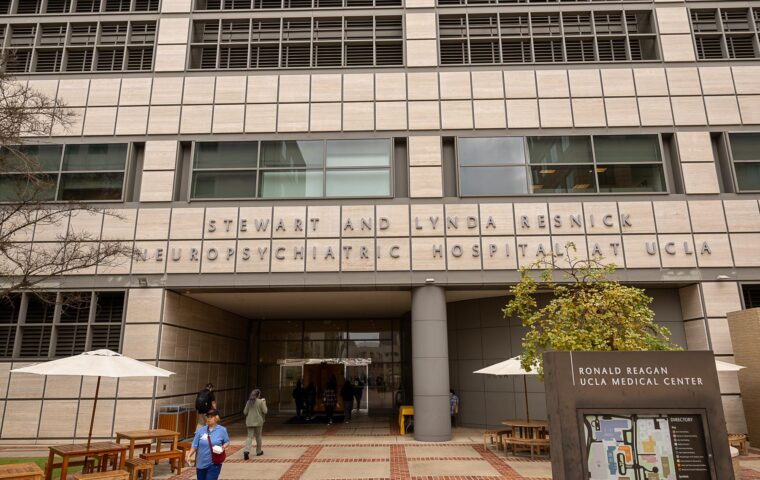
Leadership
Michael Irwin, MD
Director
Contact Info
300 Medical Plaza
Los Angeles, CA
(310) 825-8281
About
The Cousins Center conducts interdisciplinary research on the interactions between the brain, behavior, and immune system. Its scientists examine how stress, emotion, and lifestyle affect immune function and risk for disease. The center explores links between inflammation and mental health conditions such as depression and anxiety. It also investigates the effects of mind-body interventions like meditation and yoga. The mission is to improve health by integrating biological, psychological, and social approaches.
Research
The Cousins Center for Psychoneuroimmunology serves as a major campus facilitator for bridging training in the fields of behavioral science, neuroscience, and immunology.
The Cousins Center brings together diverse group of scientists with the goal of understanding the role of immunological mechanisms that underlie behavioral disturbances with impacts on mental health.
The Cousins Center consists of core faculty conducting PNI-based research studies on aging, alcohol and substance abuse, cancer, infectious diseases, inflammatory diseases and mind-body interactions. Many studies within these research areas frequently have opportunities to participate for members of the public. In addition, the center has its own on-site Inflammatory Biology Core Laboratory and Psychophysiology Laboratory.
Areas of Research
The Cousins Center for Psychoneuroimmunology serves as a major campus facilitator for bridging training in the fields of behavioral science, neuroscience, and immunology. Previous and current research focuses on the following areas:
Aging and Wellness
EXPERIMENTAL MODEL OF DEPRESSION IN AGING: INSOMNIA, INFLAMMATION, AND AFFECT MECHANISMS
PI: Michael R. Irwin, MD
NIA
Depression, one of the most common diseases in older adults, carries significant risk for morbidity and mortality. Because of the burgeoning population of older adults, the enormous burden of late-life depression, and the limited efficacy of current antidepressants in older adults, biologically plausible models that translate into depression prevention efforts are needed. Insomnia predicts depression recurrence, and is a modifiable target for depression prevention. Yet, it is not known how insomnia gets converted into biological- and affective risk for depression, which is critical for identification of molecular targets for pharmacologic interventions, and for refinement of insomnia treatments that target affective responding to improve efficacy. This study will use an inflammatory challenge (i.e., endotoxin) to probe acute inflammatory- and depression responses (primary outcome) in older adults as a function of insomnia. Older adults with insomnia show chronic inflammation; sleep disturbance also activates inflammatory signaling; chronic inflammation primes acute inflammatory responses; chronic inflammation, as well as acute inflammatory reactivity, predict depression over the following year; and finally, endotoxin induces acute inflammation along with depressive symptoms, with preliminary evidence that “two-hits” (i.e., sleep disturbance and inflammatory challenge) are associated with exaggerated increases in depression, especially in women. In this placebo-controlled, randomized, double-blind study of low dose endotoxin in older adults (60-80 y; stratified by sex) with insomnia (n=80) vs. comparisons without insomnia (n=80), we hypothesize that older adults with insomnia will show heightened inflammatory- and affective responding to inflammatory challenge as compared to those without insomnia. We aim to: 1) examine differences in depressive symptoms and measures of negative affect responding as a function of insomnia and inflammatory challenge; 2) examine differences in measures of positive affect responding as a function of insomnia and inflammatory challenge; and 3) examine differences in experimentally-induced inflammation in relation to depressive symptoms and measures of negative- and positive affect responding as a function of insomnia. If the hypotheses are confirmed, older adults with two “hits”, insomnia and inflammation, would represent a high risk group to be prioritized for monitoring and for depression prevention efforts using treatments that target insomnia or inflammation. Moreover, this study will inform the development of mechanism-based treatments that target affect responses in addition to sleep behaviors, and which might also be coupled with efforts to reduce inflammation to optimize efficacy of depression prevention.
AGING: SLEEP AND INFLAMMATORY MECHANISMS IN DEPRESSION PREVENTION
PI: Michael R. Irwin, MD
NIA
Depression in the elderly is a major public health concern. Indeed, as the population ages in high-income countries, depression is projected to increase by 2030 to a position of the greatest contributor to illness burden. Moreover, because elderly persons with depression often do not receive diagnosis and treatment, and only about one-third of depressed older adults achieve remission using current treatment approaches, over two-thirds of the disease burden remains intact leading to staggering costs in the health care sector. The objective of this study is to evaluate the ability of a behavioral intervention, cognitive behavioral therapy for sleep quality (CBT-SQ) to reduce sleep complaints, depression recurrence, and cellular and genomic markers of inflammation in older adults with sleep complaints who have a prior history of depression. We aim to: 1) evaluate the effects of CBT-SQ vs. Sleep Seminar (SS) on objective (actigraphy) and subjective (sleep diary; questionnaire) measures of sleep symptoms over a two-year follow-up; 2) determine the effects of CBT-SQ vs. SS on recurrence of depressive symptoms and depression episode(s) over a two-year follow-up. We will also secondarily examine the effects of CBT-SQ vs. SS on cellular and genomic markers of inflammation over a two-year follow-up, and explore whether markers of inflammation and cytokine genes can explain variability in the risk of depression recurrence in those older adults receiving CBT-SQ vs. SS. The present study is highly significant by being the first study, to our knowledge, to focus on the prevention of depression in community dwelling older adults who have a history of depression, and by targeting sleep disturbance, a modifiable risk factor to prevent depression recurrence.
CHRONIC MODERATE SLEEP RESTRICTION IN OLDER LONG SLEEPERS AND OLDER AVERAGE SLEEPERS
PI: Youngsteadt, PhD Univ. of South Carolina, Michael R. Irwin, MD UCLA PI
NIH
People who sleep little (less than 7 hours) and people who sleep a lot (8 hours or more) tend to die sooner and have other health problems compared with people who sleep 7-8 hours. There are many studies that show that experimental sleep deprivation has a lot of negative effects. However, these studies have mostly been short (5 days or less) and have involved extreme levels of sleep deprivation. There is little information about what happens following more prolonged (weeks) and modest reduction in sleep (1 hour), which is much more common. Long sleepers could even benefit from modest restriction of sleep. It is especially important to examine whether long-term modest sleep restriction has benefits or negative effects in older adults. A modest amount of sleep restriction might reduce the number of interruption of sleep and help older adults sleep better. This experiment will examine 100 older long sleepers and 100 older average-duration sleepers over 5 years in 4 difference sites: Columbia, SC, Brooklyn, NY, Tucson, AZ, and Los Angeles. Subjects will spend 1 hour less in bed for 12 weeks and we will examine many potential negative and positive effects, including depression, sleepiness, and blood sugar levels.
LATE LIFE SLEEP DISTURBANCES: EFFECTS ON CELL STRESS, TELOMERASE, INFLAMMATION
PI: Judith E. Carroll, PhD
NIA
Insufficient sleep in later life is thought to contribute to declines in physical and mental functioning, and increase risk for morbidity and mortality. A yet unanswered question is: how does poor sleep contributes to worse health, particularly in aging. Both inflammation and cellular stress, which contribute to aging of cells, are proposed biological pathways through which sleep loss influences disease. I propose that sleep deprivation in older adults will alter the intracellular environment, decrease telomerase, and increase gene expression patterns consistent with cellular stress responses, inflammatory activity, and senescent signal expression. The over-arching objective of this proposal is to apply a biobehavioral framework to study the sleep-health relationship in older adults. Aims. To do this I will: 1) obtain training in sleep, aging, and gene expression, 2) test biobehavioral mechanisms of sleep loss on health by conducting analyses using the Multi-Ethnic Study of Atherosclerosis (MESA), examining the contribution of sleep disturbances, sleep quantity, and sleep depth to rates of telomere attrition over 10 years, and 3) experimentally test the inflammatory, cellular stress, and cell senescence gene expression pathways that are disrupted from one night (Study 2) and 12 weeks (Study 3) of partial sleep deprivation in older adults (ages 60+). Significance. This unique interdisciplinary work will advance the field of biomedical sleep research by better defining one of the biological mechanisms through which sleep influences disease vulnerability in late life.
A RANDOMIZED TRIAL FOR SLEEP DISTURBANCES TO REVERSE CELLULAR AGING
PI: Judith E. Carroll, PhD
NIA
Research is needed to bridge the continuum from behavioral factors to molecular stress, define the role of cellular aging in age related rises in inflammation, and identify interventional strategies that may alter the course of aging and ultimately improve the number of healthy years of living. The current proposal seeks to address this need by targeting sleep, a modifiable behavior that has been linked to aging and age related disease. Sleep disturbances elevate risk for chronic disease, possibly by accelerating aging and age related rises in inflammation. No research to date has demonstrated a role of sleep disturbances in these pathways nor tested whether remission of sleep disturbances using highly efficacious behavioral strategies reverses the cellular aging processes. This project will leverage an ongoing randomized clinical trial (RCT; R01 AG026364; Irwin) that is testing whether treatment of sleep disturbance using cognitive behavioral therapy for sleep quality (CBT-SQ) vs. sleep seminar (SS), controls, improves sleep and reduces the risk for depression in non-depressed older adults with sleep complaints (Pittsburgh Sleep Quality Index, PSQI >5; n=305) over a 3-year follow-up with assessments at baseline, 12 months, 18 months, 24 months, 36 months. In this project, we will aim to: 1) evaluate the effects of CBT-SQ vs. SS on markers of cellular aging over 3-years. Hypothesis 1: Relative to SS, CBT-SQ for sleep disturbances will improve mitochondrial function, increase telomerase activity, lengthen PBMC telomeres, and reduce expression of key aging related genes over 3-years. 2) Evaluate the effects of sleep disturbance remission (PSQI <5) at 6 months vs. unremitted sleep disturbance on markers of cellular aging over 3 years follow-up. Hypothesis 2: Relative to remitters, those with unremitting sleep disturbances (PSQI Global >5) at 6 months will show poorer mitochondrial function, lower telomerase, shorter PBMC telomeres, and greater expression of key aging related genes over 3-years. Exploratory Aim: To address critical gaps in current knowledge, we will apply discovery science approaches using advanced bioinformatics methods to interpret whole genome gene expression arrays and age related epigenetic methylation patterns to DNA to provide novel understanding in the role of sleep disturbances to cellular biology. In addition, we will use existing inflammatory data collected from the parent R01 to examine a possible bi- directional relationship between cellular aging and inflammation (i.e., inflammaging). Impact Statement: The proposed project addresses a very significant issue in the field of biobehavioral sleep research as it will be the first study to examine whether treatment of sleep disturbances reverses processes of cellular aging, using numerous innovative molecular biomarkers of this process over 3 years, and leveraging a well powered and demonstrated RCT to treat sleep disturbances. This work has the potential to implicate late life sleep disturbances in the progression of biological aging, and to demonstrate that interventions to treat sleep disturbances in older adults may slow or even reversing cellular aging.
SLEEP LOSS AS A VULNERABILITY FACTOR FOR INFLAMMATION INDUCED DEPRESSIVE SYMPTOMS IN OLDER WOMEN
PI: Hyong Jin Cho, MD, PhD
NIA
Late-life depression is a major public health burden due to its high prevalence and associated morbidity, suicide risk, functional decline, and mortality. Unfortunately, current antidepressant therapies have limited effectiveness; hence, biologically plausible models for new treatments are being pursued. Systemic inflammation is hypothesized to play an important role on the onset and perpetuation of depression, especially in older women. Aging processes involve a heightened inflammatory state, and both inflammatory disorders and depression are more prevalent in women than men. However, increased systemic inflammation does not necessarily lead to depression in all women. Even when robust systemic inflammation is experimentally induced (e.g. endotoxin administration), largely variable increases in depressive symptoms are found. Defining the factors that account for this variability may identify individuals at risk of developing depression when exposed to heightened inflammatory states such as aging, obesity, and chronic disease, and informs future translational studies of depression prevention. In particular, the role of sleep disturbance in explaining this variability requires further attention because it is an independent risk factor for depression and heightens systemic inflammation by increasing the production of proinflammatory cytokines. We have also discovered that women, but not men, who report sleep disturbance including short sleep duration experience significantly more depressive symptoms in response to an inflammatory challenge than women without sleep disturbance. Thus, it is hypothesized that sleep loss is a vulnerability factor for inflammation-induced depressive symptoms in women. However, to date, no experimental approach has been used to evaluate the role of sleep loss on inflammation-induced depressive symptoms. This proposal aims to examine this hypothesis by partial sleep deprivation (PSD) followed by endotoxin challenge in older women. It also aims to explore genomic and socio- emotional mechanisms underlying the association between sleep loss and depressive symptoms. In a randomized controlled factorial design, 80 healthy female volunteers aged 60 to 69 will be randomly assigned to one of 4 arms: 1) uninterrupted sleep followed by placebo; 2) uninterrupted sleep followed by endotoxin; 3) PSD followed by placebo; or 4) PSD followed by endotoxin. Subjects will be administered placebo or endotoxin in the morning after PSD or uninterrupted sleep. Depressive symptoms will be repeatedly assessed over 6 hours after placebo or endotoxin administration. This K23 integrated training and research program is designed to prepare the candidate to become an independent translational investigator in aging research with expertise in epidemiology and psychoneuroimmunology, focused on the identification of multi-level risk factors for and the prevention of late-life depression. For the achievement of this career goal and the completion of the proposed study, the candidate will obtain training in inflammatory biology of depression, aging research, experimental study design, sleep research, and gene expression analysis.
FEELING NEEDED: EFFECTS OF GENERATIVITY ON HEALTH IN LONELY OLDER ADULTS
PI: Naomi Eisenberger, PhD
NIA
The proportion of the world’s population over age 60 is increasing at an unprecedented rate. Given this trend, it is imperative to study the mental and physical health of older adults. Psychosocial factors, such as loneliness, are critical in understanding the overall health of older adults, given that increased feelings of loneliness have been linked to functional decline and increased risk of mortality in older adults. Loneliness in older adults may be partially driven by disruptions in meaningful social engagement. In fact, generativity defined as concern and activity dedicated to the well-being of others, especially younger generations and its related components, such as feeling socially useful or needed, are often included in models of successful aging. Furthermore, greater perceptions of generativity have been linked to better health outcomes and longevity in older adults. Thus, lonely older adults may especially benefit from a targeted psychological intervention aimed at increasing perceptions of generativity, which may improve feelings of social connection through increased feelings of social usefulness, as well as improve health outcomes. The objective of this NIA R03 application is to investigate the relationships between social psychological processes and pro-inflammatory responses in the context of health and aging. To do so, the proposed study will investigate the effect of an intervention aimed at increasing perceptions of generativity in lonely older adults on physical and mental health outcomes. Given that pro-inflammatory activity has been linked to both loneliness and poor health outcomes, the study will also examine the effect of the intervention on biological markers of inflammation (i.e., circulating and stimulated pro-inflammatory cytokines and pro-inflammatory gene expression). Participants (n=70) will be randomly assigned to a 6-week intervention aimed at increasing perceptions of generativity or a control condition. During pre- and post-intervention sessions, all participants will complete self-report measures of physical and mental health and have blood drawn (in order to assess biological markers of inflammation). It is hypothesized that participants in the generativity intervention, compared to those in the control condition, will show: 1) improved physical and mental health outcomes and 2) decreased pro-inflammatory activity from pre- to post-intervention. Furthermore, it is hypothesized that decreases in biological pro-inflammatory activity will mediate improvements in health outcomes. The present study will help advance the understanding of the impact of generativity on the lives of older adults, including its effects on health and inflammatory activity. This may inform a low-cost and low-effort way to improve health outcomes in older adults, especially those who may be most vulnerable to poor health outcomes, such as those who are lonely.
INFLAMMATORY BIOLOGY CORE (IBC)
PI: David Reuben, MD; Michael R. Irwin, MD, Co-I
NIA
The OAIC Inflammatory Biology Core (IBC) plays an integral role in the UCLA OAIC’s renewal theme Inflammation, Aging, and Independence. The IBC supports the mission of the OAIC in understanding the interactions of non-modifiable and modifiable predisposing factors on inflammation and processes of biological aging, which impact incident diseases of aging and progression of age-associated morbidity. The IBC aims to: (1) provide intellectual support for the analysis of inflammatory biology in OAIC research domains (including basic, clinical, interventional, and/or biobehavioral studies); (2) provide laboratory infrastructure for comprehensive and vertically integrated assessment of inflammatory biology dynamics at the genomic, inflammatory signaling, cellular, and systemic levels; and (3) develop and utilize cross-cutting approaches to analyses of inflammatory biology and the effect of inflammation on cellular processes in aging and age-related disease. The IBC leadership merges expertise in proteomic markers of inflammation, cellular and molecular mechanisms of inflammation, and genomic analyses of inflammatory profiles to provide an interdisciplinary breadth within a single laboratory “home”, which provides a comprehensive assessment of inflammation from genes to cells to proteins. Moreover, by including different assay methods within a single laboratory and its infrastructure, sophisticated scientific, conceptual, and technical expertise can be delivered efficiently to assure implementation of quality monitored, standard operating procedures that are maintained across studies and over time. The IBC is also positioned to synergize with the laboratory resources available across the UCLA campus. In collaboration with the UCLA OAIC Research Education Component (REC), the Pilot and Exploratory Studies Core (PESC), and the Data Acquisition and Analysis Core (DAAC), the IBC will continue to integrate assessments of inflammatory biology mechanisms into Research Project Support and Pilot Projects, foster career development in aging-related research for early career investigators, and facilitate training of investigators new to aging and inflammatory biology research. The IBC will also continue to collaborate with externally-funded projects (EPs), which include 3 NIH Career Development (K) awards to junior investigators in aging research. The EPs are relevant to the overall goals of the UCLA OAIC, addressing changes in inflammatory biomarkers with aging, and developing/testing interventions to reduce inflammatory burden and determine the effects on health and functional outcomes. These EPs have the potential to alter clinical practice guidelines within primary care and/or collaborative care models, and enhance the maintenance of independence in older adults by targeting modifiable risk factors and inflammation.
UCLA OLDER AMERICANS INDEPENDENCE CENTER (Pepper Center)
PI: David Reuben, MD; Michael R. Irwin, MD, Co-I
NIA
The UCLA Claude Pepper Older Americans Independence Center (OAIC) is designed to promote research aimed at maintaining and restoring the independence of older persons. Through its theme of Translational Research to Maintain Independence, the UCLA OAlC’s research extends across the full spectrum from T1 to T2 translational research. Within this theme, an important focus of the UCLA OAIC is on developing and understanding interventions that reduce inflammation. To accomplish its goals, the UCLA OAIC has established 4 Research Cores (Recruitment and Retention, Research Operations, Analysis and Cost Effectiveness, and Inflammatory Biology) and a new Information Dissemination Core that will facilitate OAlC-related research at every step (recruitment, measurement, data management, analysis, interpretation, and adoption of findings). Research cores provide support at 4 levels: Consultation (e.g., providing up to several hours of advice, reading a paper or a proposal) Short-term (e.g., up to a couple days of consultation, performing assays) Ongoing or long-term support (e.g., ongoing, part of the project team) Partnership on new proposals In addition, the UCLA OAIC Pilot and Exploratory Studies Core and Research Career Development Core stimulate new research via a pipeline of junior investigators and pilot awards and recruit successful investigators into OAlC-related research. A specific goal of the Center is to create teams of translational researchers and to train junior faculty in the principles of conducting research that bridges basic, clinical, and health services/dissemination research. The Leadership/Administrative Core ensures that these specific activities are accomplished and the goals of the UCLA OAIC are optimally achieved. By focusing efforts and resources through the OAIC, the timeline for research to develop, test, and disseminate promising innovations to maintain independence can be accelerated. At the end ofthe 5-year cycle, the UCLA OAIC will be a model program for translational research extending from basic science to clinical practice and policy and will have created a generation of new researchers who can begin to assume leadership in this theme.
Cancer: Biology and Behavior
SLEEP DISTURBANCE, INFLAMMATION, AND CELLULAR AGING IN BREAST CANCER SURVIVORS
PI: Michael R. Irwin, MD
NCI
Advances in cancer treatment have resulted in a growing number of cancer survivors in the United States. Despite the success of cancer treatments, survivors face long-term changes in health, with twice the likelihood of disability as those without a cancer history, greater risk for second primary cancers, more age-related comorbid disorders, and 28% reduction in life expectancy. This study hypothesizes that the increased risk of morbidity and mortality in cancer survivors is due to accelerated biological aging. Furthermore given that the risk for the late effects of cancer diagnosis and treatment show considerable variability, individual differences may either confer protection or promote vulnerability. Given our preliminary data that sleep disturbance leads to greater increases in inflammation and telomere erosion over a one year period, we further hypothesize that sleep disturbance and depression history serve as susceptibility factors to accelerate biological aging. To examine these questions, this study leverages an existing project (CA160245) of a Kaiser Permanente Southern California (KPSC) SEER-affiliated tumor registry-based sample of 300 (>55 years) breast cancer survivors, includes biological aging outcomes of cellular and transcriptional markers of inflammation and telomere erosion, and recruits a KPSC comparison cohort of 300 older women without a cancer history. Both KPSC groups will be examined at baseline and prospectively followed at 8, 16, 24, and 32 months to address three specific aims: 1) to examine differences at baseline and in prospective rate of change of cellular and transcriptional markers of inflammation and telomere length as a function of breast cancer survivorship; 2) to examine differences at baseline and in prospective rate of change of cellular and transcriptional markers of inflammation and telomere length as a function of sleep disturbance and breast cancer survivorship; 3) to examine differences at baseline and in prospective rate of change of cellular and transcriptional markers of inflammation and telomere length as a function of depression history and breast cancer survivorship This study will determine whether biological aging is driven by breast cancer status, by independent effects of sleep disturbance or depression history, or by the interaction of these behavioral factors with breast cancer status. Such information is necessary to define the risk population (i.e., breast cancer survivors, depression history) and/or risk factors (i.e., sleep disturbance) in the design, implementation, and delivery of treatments, which selectively target biological aging with greatest efficacy with the potential to reduce risk of age-related morbidities.
SLEEP, INFLAMMATION, AND DEPRESSION OCCURRENCE IN BREAST CANCER SURVIVORS
PI: Michael R. Irwin, MD
NCI
In 2006, there were over 11.4 million cancer survivors in the US. However for many individuals with cancer, improved survival is complicated by long-term behavioral effects including depression. Indeed, the prevalence of depression in breast cancer survivors is nearly three to five times greater than the general population. Yet, the unique clinical, behavioral, and biological factors that prospectively contribute to increased depression risk in breast cancer survivors is not known. In older adults, we have found that sleep disturbance independently contributes to depression occurrence, and this prospective risk is specific to those with a history of depression. Breast cancer status may add to that risk, as we have found that breast cancer survivors with insomnia have a prevalence of depression history that is nearly twice that in older women with insomnia; yet, other factors in the prior risk model do not generalize to breast cancer survivors. There are no published prospective data that have examined the independent contribution of sleep disturbance on depression occurrence in breast cancer survivors. Increasing evidence also implicates sleep disturbance in the activation of inflammatory signaling, which serves as a biological mechanism that contributes to depression. Hence, in this SEER-affiliated tumor registry-based study, we will evaluate 300 early stage-, older adult (>55 years) breast cancer survivors and 300 age-matched comparison women, stratified by a history of major depression. All participants will be community members of Kaiser Permanente Southern California (KPSC), a large nonprofit health plan that serves over 3 million members. In a prospective cohort study, older adult breast cancer survivors vs. comparisons, stratified by depression history will be evaluated at baseline (i.e., 1 year post- primary treatmen for breast cancer survivors) and at 6, 12, 18, and 24 months with the following aims: 1) to determine the prospective association between sleep disturbance and depression occurrence; 2) to evaluate the prospective association between sleep disturbance and cellular and genomic markers of inflammation; and 3) to examine the prospective relationships between sleep disturbance, cellular and genomic markers of inflammation, and depression occurrence. Understanding the cancer-specific clinical, behavioral, and biological factors that prospectively contribute to depression risk in breast cancer survivors vs. comparison older women will substantially alter clinical management by leading to the development of a targeted intervention for depression prevention, specific for breast cancer survivors.
BIOBEHAVIORAL PREDICTORS OF FATIGUE IN NEWLY-DIAGNOSED BREAST CANCER PATIENTS
PI: Julienne Bower, PhD
NCI
Fatigue is one of the most common and distressing side effects of breast cancer treatment and may persist for months or years after successful treatment completion. Approximately one-third of breast cancer survivors report moderate to severe symptoms of fatigue, which has a negative impact on all aspects of quality of life. Although the prevalence and impact of cancer-related fatigue has now been well established, very little is known about predictors and mechanisms for the development and persistence of fatigue post-treatment. Accordingly, the primary goal of this prospective, longitudinal study is to identify biological and psychological risk factors for post-treatment fatigue, with intensive evaluation of mechanisms, in women newly diagnosed with early stage breast cancer. In particular, this application focuses on vulnerability factors that increase risk for inflammatory processes given evidence suggesting an inflammatory basis for cancer-related fatigue. Specific aims are to: 1) determine whether inflammatory risk genes, hypothalamic-pituitary-adrenal axis dysregulation, and body mass index at treatment onset predict post-treatment fatigue in breast cancer patients assessed longitudinally for 18 months after treatment completion; 2) evaluate whether history of depression and early life stress at treatment onset predict post-treatment fatigue in breast cancer patients assessed longitudinally for 18 months after treatment onset; 3) investigate the contribution of measured proinflammatory cytokine activity to the association between biological and psychological risk factors and post-treatment fatigue. We will recruit 360 women with newly-diagnosed, early-stage breast cancer before initiation of treatment with radiation, chemotherapy, trastuzumab or endocrine therapy. At baseline, participants will complete self-report questionnaires, diagnostic interview for depression, blood draw for cytokine gene polymorphisms and markers of inflammation, and saliva samples for diurnal cortisol slope. Follow-up assessments conducted at treatment completion and at 6, 12, and 18 months post-treatment will determine the trajectory of post-treatment fatigue and associated changes in inflammatory processes. This research is a critical next step in the early identification of patients who are at risk for persistent fatigue as a long term side effect of cancer treatment and for the development and implementation of targeted interventions to prevent and treat this disabling symptom.
A PHASE III RANDOMIZED TRIAL TARGETING BEHAVIORAL SYMPTOMS IN YOUNGER BREAST CANCER SURVIVORS
PI: Julienne Bower, PhD
NCI
Breast cancer is the most common cancer in women younger than 50 years, accounting for up to 25% of new breast cancer cases. Improved survival after a breast cancer diagnosis has focused attention on the critical need to address the impact of the disease and its treatments on long-term outcomes in younger women. This has become an increasingly important cancer control priority, including federal legislation focusing on the unique needs of women <45 years old. Studies have consistently shown that younger women have greater psychological and physical morbidity after breast cancer than older women and age-matched women with no cancer history, including elevated levels of depression and other behavioral symptoms (i.e., fatigue, sleep disturbance, vasomotor symptoms) that cause significant impairment in quality of life. Increased behavioral symptoms have been documented up to 10 years after diagnosis in this population, suggesting that effects may not remediate without intervention. Younger breast cancer survivors are at risk for adverse long-term effects, making them a particularly vulnerable population, for whom only a few specific interventions have been tested. A major barrier to adoption of many behavioral interventions is the lack of a translational research implementation strategy, and thus these interventions fail to become a standard of care that is clinically provided and reimbursed. To meet this challenge, we will conduct a phase III, three-group, randomized clinical trial at three geographically separated NCI-designated comprehensive cancer centers, randomly assigning 360 younger post-treatment breast cancer survivors, to one of two promising interventions (survivorship education or mindful awareness practices), comparing each to a usual care/waitlist control group. We hypothesize that both of the intervention programs will be effective in reducing behavioral symptoms (depression – primary outcome; fatigue, sleep disturbance, vasomotor symptoms-secondary outcomes) over a 6 month post- intervention period, in comparison to the usual care/waitlist control group. Additionally, we will examine the efficacy of the interventions relative to the control group on circulating and genomic markers of inflammation, hypothesizing that the mindfulness intervention will significantly reduce markers of inflammation. Finally, we will explore potential moderators of intervention efficacy in the intervention groups.
ADRENERGIC REGULATION OF TUMOR INFLAMMATION AND METASTATIC DISSEMINATION
PI: Erica Sloan, PhD
NCI
The metastatic microenvironment is receiving increasing attention as a target for new breast cancer therapies. The sympathetic nervous system (SNS) is a component of this microenvironment, and our recent studies indicated that SNS activity may support metastasis through beta-adrenergic pathways that recruit macrophages and induce a switch to pro-metastatic gene expression. Development of novel adjunctive therapeutic strategies that target neural regulation of metastasis requires characterization of the relationships between the SNS, the immune system and tumor cells. To address this need, the proposed studies utilize multimodal in vivo imaging techniques to address the following specific aims: 1. characterize SNS regulation of tumor cells in breast cancer metastasis, 2. characterize SNS regulation of tumor-associated macrophages in breast cancer metastasis, 3. characterize SNS regulation of the tumor microenvironment in breast cancer metastasis. These studies will define interactions between SNS nerve fibers, tumor cells and macrophages in the context of the tumor microenvironment and elucidate their collective effects on metastasis. Given recent clinical studies that suggest beta-blockade reduces breast cancer recurrence, the proposed studies are urgently needed to establish a mechanistic foundation for rapid translation of existing compounds (beta-blockers) and development of novel biomarkers of early cancer progression and new anti-metastatic strategies that target SNS regulation of the tumor microenvironment.
TRANSLATIONAL RESEARCH OF BIOBEHAVIORAL MECHANISMS IN CANCER CONTROL
PI: Donald Lamkin, PhD
NCI
The K07 Career Development Award will enable Dr. Donald Lamkin to achieve his career goal of becoming an independent investigator and future leader in translational biobehavioral cancer research. This proposal builds upon Dr. Lamkin’s previous training in basic laboratory science, utilizing animal models of cancer and behavior to address biobehavioral questions in the area of cancer control. Training: The award will facilitate training specifically in (1) learning the cancer treatment regimens and research protocols that characterize clinical investigation at a comprehensive cancer center, (2) mastering functional genomics strategies and related technologies to study global gene expression in distinct cell populations within tumors, and (3) learning fluorescence microscopy and laser capture microdissection to visualize and retrieve cells in tumor microenvironments. The proposed training will allow Dr. Lamkin to acquire new skills that are essential for a translational scientit who wants to work at the boundaries of basic laboratory discovery and clinical investigation. Mentors & Collaborators: Dr. Patricia Ganz, a medical oncologist and Director of Cancer Prevention and Control Research at the UCLA Jonsson Comprehensive Cancer Center; Dr. Julie Bower, a clinical psychologist with expertise in immune, endocrine, and psychological factors in breast cancer patients and survivors; Dr. Steve Cole, a translational scientist and Director of the Social Genomics Core Laboratory at UCLA; Dr. Shimon Weiss, Director of the Advanced Light Microscopy-Spectroscopy Core Laboratory at UCLA; and Dr. Erica Sloan, a cancer biologist with expertise in preclinical models of breast cancer and neural- mediated metastasis. Research Plan: The Research Plan for this project builds upon two emerging findings in breast cancer research: First, preclinical evidence indicates that chronic stress induces a high buildup of “alternatively activated” (M2) vs. “classically activated” (M1) macrophages in tumors. This is significant because macrophages with M2 properties are increasingly becoming associated with poor outcomes in breast cancer. Thus, Aim 1 will examine the relationship between stress-related psychosocial factors and M2-related gene expression by macrophages in tumors of breast cancer patients. Second, preclinical research suggests that M2 macrophage buildup does not derive from blood stream monocytes that infiltrate the tumor but instead results from enhanced proliferation of macrophages that are already residing in the tumor microenvironment. Establishing such a finding in humans would challenge current ideas about how to target macrophages in cancer and open up new therapeutic opportunities. Thus, Aim 2 will investigate the extent to which M2 macrophages in primary tumor of breast cancer patients are locally established proliferating tissue macrophages. Aim 3 will experimentally determine whether chronic stress increases M2 macrophage proliferation in mammary tumors of mice. This plan will facilitate Dr. Lamkin’s career training objectives and position him for a future R01 submission.
BEHAVIORAL INFLUENCES ON OVARIAN CANCER PROGRESSION: ROLE OF CHEMORESISTANCE
PI: Susan Lutgendorf, PhD, Iowa PI / Steve Cole, PhD, UCLA PI
NCI
Epithelial ovarian cancer is the second most common gynecologic cancer. Because of poor survival for the majority of ovarian cancer patients, identification of factors contributing to disease progression is of utmost importance. Although a significant percentage of ovarian cancer patients respond well to initial chemotherapy, the success of treatment is limited by the development of chemo resistance, and the majority of patients relapse and die from recurrent disease. Our previous work has shown a variety of mechanisms by which biobehavioral factors (referring collectively to behavioral, social, and/or psychological factors and concomitant biologic processes) can directly affect key biological signaling mechanisms to enhance tumor growth and impair the immune response in ovarian cancer. Although the neuroendocrine stress hormones norepinephrine (NE) and cortisol have been shown to increase chemo resistance pre-clinically, little is known about the contribution of psychological and social processes to chemo resistance in the clinical setting of ovarian cancer. Based on compelling preliminary pre-clinical data in ovarian cancer, we propose that psychological and social processes and the neuroendocrine stress response will contribute to impairment of the chemotherapeutic response in ovarian cancer patients. Thus, this grant will focus on mapping psychological and social and neuroendocrine influences on disease progression in 178 women with high grade serous epithelial ovarian cancer, with particular attention to chemo resistance as a mechanism. This study is highly innovative as 1) contributions of biobehavioral processes to chemo resistance in human epithelial cell cancers in a clinical setting have not been examined, and 2) this is the first translational study using exosomes (tumor derived vesicles in peripheral circulation) to examine relationships between biobehavioral factors and tumor dynamics. Use of the exosome biomarker approach will provide a longitudinal window on tumor characteristics not otherwise available in the absence of repeated surgery. If initial response to chemotherapy could be enhanced or maintained for a longer duration, it could have substantial survival benefits. Thus findings that biobehavioral stress-related processes alter the response to chemotherapy would have significant implications for clinical management of ovarian patients, specifically the potential for adjunct use of behavioral or pharmacological interventions to delay the development of chemo resistance. Because chemotherapeutic response is closely linked to ovarian cancer survival, understanding biobehavioral impediments to maximum chemotherapeutic response is of great public health significance.
BIOBEHAVIORAL INFLUENCES AND THE OVARIAN TUMOR MICROENVIRONMENT
PI: Susan Lutgendorf, PhD, Iowa PI / George Slavich, PhD, UCLA PI
NCI
Ovarian cancer is the second most common gynecologic cancer. Because of low rates of survival for the majority of ovarian cancer patients, identification of factors contributing to tumor progression is of paramount importance. Epidemiologic studies have suggested an association between biobehavioral factors such as life stress, depression, and social support and cancer progression. This study examines a novel pathway that may underlie these links in ovarian cancer, specifically, the relationship of biobehavioral factors with resident macrophages within the tumor microenvironment. It is now acknowledged that the tumor microenvironment is critical in supporting or inhibiting tumor progression. We have previously reported associations of depression and low social support with a poorer cellular immune response in ovarian cancer patients in the tumor microenvironment. We have also demonstrated direct links between biobehavioral factors and cytokines supporting angiogenesis, the formation of new blood vessels that enhance tumor growth and progression. Macrophages are major components of the tumor microenvironment where they are predominantly converted from an anti-tumor phenotype to a pro-tumor phenotype and play a key role in supporting inflammation and tumor progression. However, little is known regarding whether biobehavioral factors influence tumor associated macrophages (TAM) and interactions between TAM and tumor cells in a way that favors tumor growth. Based on compelling preliminary data, we propose that biobehavioral influences on both TAM and tumor cells in the tumor microenvironment have significant effects on production of factors supporting tumor growth and progression. We focus on TAM because of their key role in the tumor microenvironment, and because of indications of macrophage sensitivity to stress factors in the cardiovascular literature and in our preliminary data. Thus, the overarching goal of this proposal is to examine pathways by which biobehavioral factors contribute to a permissive local environment for interactions between resident cells (TAM) and tumor cells that favor tumor growth in ovarian cancer. The proposed project will prospectively examine the relationship of biobehavioral factors (life stress, depression, and social support) and TAM products (inflammatory cytokines and tumor growth factors) in the tumor microenvironment in 206 ovarian cancer patients. Association of biobehavioral factors with upregulation of gene transcripts related to inflammation and proliferation in tumor cells will also be examined. Based on preliminary data we will examine the role of adrenergic signaling as a mediator in these relationships. To determine the clinical significance of these biological alterations, the investigation will assess progression-free and overall survival during the 24 months following diagnosis. Findings will have implications for innovative behavioral and pharmacological intervention strategies for ovarian cancer patients. PUBLIC HEALTH RELEVANCE: There has been very little research examining systemic effects on the tumor microenvironment. This research examines a novel pathway by which biobehavioral factors may contribute to a permissive milieu for tumor growth and disease progression in the tumor microenvironment among ovarian cancer patients. A clearer understanding of biobehavioral risk factors and pathways by which they operate is critical for identifying targets for psychosocial and pharmacological intervention for ovarian cancer patients who may be at risk.
OVARIAN CANCER: MECHANISMS OF NEUROENDOCRINE REGULATION
PI: Anil Sood, MD / Steve Cole, PhD, Co-I
NCI
Psychosocial stress can elicit complex effects on the immune and other systems in cancer patients through mechanisms including the sympathetic nervous system (SNS), the hypothalamic-pituitary-adrenal (HPA) axis, and by other hormones and peptides. These catecholamine changes in the tumor microenvironment trigger a cascade of signaling events that create a highly permissive environment for tumor growth and metastasis. We have demonstrated that elevation of SNS mediators (e.g., catecholamines) in the tumor microenvironment can increase angiogenesis and block anoikis. However, the mechanisms by which catecholamines are delivered to the tumor microenvironment are not well understood. On the basis of our preliminary data, we hypothesize that there is increased tumor innervation in response to chronic stress, which promotes epithelial-to-mesenchymal transition (EMT) and metastasis. In this renewal application, we will examine the mechanisms by which chronic stress contributes to increased innervation and, and examine the resultant biological consequences using well-characterized orthotropic mouse models of ovarian cancer. We will also examine relationships between psychosocial stress factors and nerve density in tumors from patients. Findings from this proposal could lead to identification of novel mechanisms underlying accelerated ovarian cancer growth and therefore may lead to new preventive and therapeutic strategies.
PRO-INFLAMMATORY CYTOKINES & NEUROBEHAVIORAL SYMPTOMS IN BREAST CANCER PATIENTS
PI: Sunita Patel, PhD / Elizabeth Breen, PhD, Co-I
NCI
Pro-inflammatory cytokines and neurobehavioral symptoms in women with breast cancer. Abstract Survivors of breast cancer report debilitating behavioral symptoms, such as fatigue and neurocognitive dysfunction, which are evident in some individuals even at pre-treatment baseline. There is sufficient evidence from varied lines of research to propose that cancer-related neurobehavioral symptoms may be driven, at least in part, by activation of the pro-inflammatory cytokine network. Concentrations of specific pro-inflammatory cytokines (IL-6, TNF) and soluble receptors in serum obtained prior to treatment in breast cancer patients are significantly higher than levels found in healthy individuals and have prognostic value; however, these pre- treatment elevations have not yet been evaluated with respect to their association with either acute or chronic behavioral symptoms. Among survivors of breast cancer, elevated levels of circulating sIL-6R and IL-1ra have emerged as prominent biomarkers of persistent fatigue in cross-sectional studies of women several years post chemotherapy. No similar work has identified biomarkers of neurocognitive dysfunction in this patient population, and it is not known if the cytokine links with fatigue, or other behavioral symptoms, exist closer to the diagnosis period or evolve over time as “late effects”. In this study, we will address this knowledge gap as we will evaluate this association prior to cancer treatment, and again following treatment completion. We will compare these associations in a minimum of 137 breast cancer patients relative to two comparison groups at pre-treatment, and longitudinally evaluate only the breast cancer group after treatment. Findings are expected to increase our knowledge about the possible biomarkers associated with neurobehavioral symptoms in breast cancer patients, for the purpose of better identifying and treating those at risk for such effects. PUBLIC HEALTH RELEVANCE: Findings are expected to increase knowledge about the possible biomarkers associated with neurobehavioral symptoms in breast cancer patients, for the purpose of better identifying and treating those at risk for such effects.
Mind Body & Health
PTSD, SLEEP, AND RISK FOR INCIDENT HYPERTENSION
PI: Matthew Burg, Phd / Steve Cole, PhD, UCLA Co-I
NHLBI
The purpose of this study is to test the prospective relationship of post-traumatic stress disorder (PTSD) to day and night time ambulatory blood pressure (ABP) and thus, risk for hypertension and incident cardiovascular disease (CVD). PTSD occurs consequent to trauma and is characterized in part by hyperarousal, emotional dysregulation, and poor sleep, with a 50% greater risk for CVD, independent of traditional risk factors. Large cohort studies report greater prevalence of hypertension, including our n=200,000 pilot analyses, which also show that PTSD treatment may attenuate this risk. Critical questions concern early detection of hypertension risk, and whether PTSD treatment reduces this risk. Ambulatory blood pressure (ABP) is a better predictor of CVD risk than is the clinic blood pressure of 140/90mmHg on which a diagnosis of hypertension is made. ABP monitoring combined with ecological momentary assessment (EMA) by electronic diary creates a powerful tool, and using this we have found that momentary ratings of anger and anxiety are highly correlated with momentary elevations in blood pressure (BP). When combined with night time actigraphy, another powerful tool is created whereby the effects of sleep on ABP can be determined. These tools together may be particularly useful for testing the prospective relationship of PTSD to ABP and thus CVD risk, since among the hallmarks of PTSD are heightened emotional reactivity to daily events, and disrupted sleep. Leveraging the resources of our recently funded Women Veterans Cohort Study-Wave 2 and our National Center for PTSD, we propose to study 300 recent military veterans with and without a PTSD diagnosis (N=150 each) on 2 occasions, 2-years apart. We hypothesize that, 1) those with vs. without PTSD at baseline will show a greater 2-year increase in day and night time ABP, and 2a) will have a greater ABP response to both momentary negative emotion and PTSD symptoms, and poorer actigraphy-assessed sleep; 2b) negative emotions/PTSD symptoms and poor sleep will in part mediate the prospective association of PTSD to day and night time ABP; 3) improvement in PTSD from baseline to follow-up (e.g., due to PTSD treatment or natural trajectory), will be associated with a decrease or smaller increase in ABP over the 2 years. Upon completion of baseline assessments we will evaluate the cross-sectional relationships of PTSD status and symptom severity to: 1) day and night time ABP, 2) the proportion of EMA reports with PTSD symptoms endorsed 3) mean levels of EMA-reported negative affect, and 4) poor sleep. We will also analyze the effect of poor sleep – short duration, efficiency – on, 1) momentary negative emotions and PTSD symptoms, and 2) the relationship of momentary negative emotions and PTSD symptoms to ABP. Significance. The proposed study will point the way toward risk mitigation clinical trials, whether they test the targeted use of ABPM according to threshold PTSD symptoms, aggressive PTSD treatment, and/or early intervention with pharmaceutical, behavioral, or combined strategies for treating elevated day or night time ABP among individuals with PTSD.
NEURAL, INFLAMMATORY, AND GENOMIC MECHANISMS UNDERLYING RISK FOR DEPRESSION IN ADOLESCENCE
PI: George Slavich, PhD
NIMH
Major depressive disorder (MDD) has a lifetime prevalence rate of approximately 20% in the United States and is the leading cause of non-fatal disease burden worldwide. MDD can be debilitating for all, but beginning in early adolescence, women are twice as likely to experience MDD relative to men. Moreover, as they age, they are at disproportionately high risk for developing several serious medical conditions that frequently co-occur with MDD and presage early mortality, such as hypertension, heart disease, certain cancers, neurodegeneration, and stroke. Understanding mechanisms that may underlie the initial development of depression, especially among women, is therefore of paramount public importance. To address this issue, I will elucidate neural, inflammatory, and genomic processes associated with risk for MDD in adolescence. Recent studies have shown that social stress engages a network of brain regions involved in processing physical and social threat. Social stress also up regulates components of the immune system involved in inflammation, which has been implicated in the pathophysiology of depression. To examine for the first time social stress-induced alterations in neural activity and connectivity, pro-inflammatory cytokine activity, and genome-wide transcriptional activity that are associated with risk for MDD, I will conduct a study in which 25 adolescent girls at high risk for MDD (i.e., no personal history of any affective Axis I disorder, but a positive maternal history of MDD) and 25 adolescent girls at low risk for MDD (i.e., no personal or maternal history of any Axis I disorder) will be exposed to a brief episode of social rejection while undergoing an fMRI scan. In addition, blood samples will be obtained at four time-points during the study to test for social stress-induced changes in (a) levels of the pro-inflammatory cytokines TNF-α, IL-1β, and IL-6, and (b) inflammatory gene expression, using microarray-based genome-wide transcriptional profiling. As such, this study will be the first to examine neural, inflammatory, and genomic responses to social stress that are associated with differential risk for depression (Aims 1 & 2). The study will also be the firstto examine relations between these different stress-related mechanisms in adolescent girls at high and low risk for MDD (Aim 3). Finally, the study will allow me to obtain mentored training in several areas that are critical for pursuing this line of research independently, including: neuroscience and neuroimaging methods, fMRI data analysis, and functional genomics. My goal as a clinical psychologist is to identify mechanisms that underlie the initial emergence of risk fo depression and related disorders in adolescence, which can in turn be modified to reduce the enormous disease burden that is associated with these conditions. This Mentored Clinical Scientist Development Award will enable me to pursue this goal by providing me with protected time to obtain state-of-the-art training at UCLA. This award will also allow me to conduct the firs multi-method, experimental fMRI study on neural, inflammatory, and genomic mechanisms underlying risk for depression in adolescence, which will in turn inform the development of novel strategies for reducing the mounting disease burden associated with depression and depression-related diseases.
MULTILEVEL BIOMARKERS FOR SUICIDAL BEHAVIOR: FROM INTERPERSONAL STRESS TO GENE EXPRESSION IN A LONGITUDINAL STUDY OF ADOLESCENT GIRLS
PI: Mitch Prinstein, PhD, UNC / George Slavich, PhD, UCLA PI
NIMH
In response to public calls from the US President, Congress, Surgeon General, and a recent NIMH-co- sponsored Suicide Research Prioritization Agenda, the proposed research will examine how suicidal ideation and attempts develop within one of the most vulnerable populations at risk for suicide (i.e., adolescent girls). This work will examine how girls’ atypical acute stress responses to interpersonal stress at physiological, genomic, and behavioral units of analysis moderate the association between actual experiences of interpersonal stress and suicidal ideation among girls with distal suicide risk factors (i.e., elevated depressive symptoms/lifetime interpersonal adversity). Moreover, this research will examine how these distal risk factors transact with pubertal processes to produce risk for atypical acute stress responses. Last, inhibitory control will be examined as a moderator of the association between suicide ideation and suicide attempts. This research will identify numerous biomarkers of suicide risk, significantly advancing progress towards identification and prevention of an enormous public health issue that has been woefully understudied and for which no evidence- based approaches exist. Using a combination of a RDoC conceptual framework, experimental lab-based stressor paradigm, biological assays, performance-based assessments of executive function, longitudinal methods, and innovative bioinformatics approaches for measuring gene expression, this work offers a substantial advance within a field that almost exclusively has relied on cross-sectional, single-informant, retrospective reports of suicidality. Participants will include 200 girls (age 9-14 years) at pre-, peri-, and post-pubertal stages of development. Recruitment will oversample girls with elevated depressive symptoms/lifetime interpersonal adversity to participate in a lab-based study involving the assessment of physiological, genomic, and behavioral responses following an experimentally-induced social stressor. A multi-wave assessment occurring over a one-year longitudinal interval will be conducted to obtain extensive data on suicidal ideation and attempts over time. Biological data will be collected to measure the autonomic nervous system, hypothalamic-pituitary-adrenal axis system, gene expression (using microarray-based genome-wide transcriptional profiling), and pubertal development. Ongoing research conducted by this investigative team utilizing many of the same recruitment, data collection, and analytic procedures strongly supports the feasibility of the proposed research.
BIOBEHAVIORAL INFLUENCES AND THE OVARIAN TUMOR MICROENVIRONMENT
PI: Susan Lutgendorf, PhD, Iowa PI / George Slavich, PhD, UCLA PI
NCI
Ovarian cancer is the second most common gynecologic cancer. Because of low rates of survival for the majority of ovarian cancer patients, identification of factors contributing to tumor progression is of paramount importance. Epidemiologic studies have suggested an association between biobehavioral factors such as life stress, depression, and social support and cancer progression. This study examines a novel pathway that may underlie these links in ovarian cancer, specifically, the relationship of biobehavioral factors with resident macrophages within the tumor microenvironment. It is now acknowledged that the tumor microenvironment is critical in supporting or inhibiting tumor progression. We have previously reported associations of depression and low social support with a poorer cellular immune response in ovarian cancer patients in the tumor microenvironment. We have also demonstrated direct links between biobehavioral factors and cytokines supporting angiogenesis, the formation of new blood vessels that enhance tumor growth and progression. Macrophages are major components of the tumor microenvironment where they are predominantly converted from an anti-tumor phenotype to a pro-tumor phenotype and play a key role in supporting inflammation and tumor progression. However, little is known regarding whether biobehavioral factors influence tumor associated macrophages (TAM) and interactions between TAM and tumor cells in a way that favors tumor growth. Based on compelling preliminary data, we propose that biobehavioral influences on both TAM and tumor cells in the tumor microenvironment have significant effects on production of factors supporting tumor growth and progression. We focus on TAM because of their key role in the tumor microenvironment, and because of indications of macrophage sensitivity to stress factors in the cardiovascular literature and in our preliminary data. Thus, the overarching goal of this proposal is to examine pathways by which biobehavioral factors contribute to a permissive local environment for interactions between resident cells (TAM) and tumor cells that favor tumor growth in ovarian cancer. The proposed project will prospectively examine the relationship of biobehavioral factors (life stress, depression, and social support) and TAM products (inflammatory cytokines and tumor growth factors) in the tumor microenvironment in 206 ovarian cancer patients. Association of biobehavioral factors with upregulation of gene transcripts related to inflammation and proliferation in tumor cells will also be examined. Based on preliminary data we will examine the role of adrenergic signaling as a mediator in these relationships. To determine the clinical significance of these biological alterations, the investigation will assess progression-free and overall survival during the 24 months following diagnosis. Findings will have implications for innovative behavioral and pharmacological intervention strategies for ovarian cancer patients. PUBLIC HEALTH RELEVANCE: There has been very little research examining systemic effects on the tumor microenvironment. This research examines a novel pathway by which biobehavioral factors may contribute to a permissive milieu for tumor growth and disease progression in the tumor microenvironment among ovarian cancer patients. A clearer understanding of biobehavioral risk factors and pathways by which they operate is critical for identifying targets for psychosocial and pharmacological intervention for ovarian cancer patients who may be at risk.
DAILY EXPERIENCE IN ADOLESCENCE AND BIOMARKERS OF EARLY RISK FOR ADULT HEALTH
PI: Andrew Fuligni, PhD / Michael R. Irwin, MD, Co-I
NICHD
Despite calls for the identification of early risk factors for the development of chronic health conditions, there has been little longitudinal research on biomarkers of health that has been conducted in persons younger than 25 years of age. In addition, there is only a minimal understanding of how biological indices of early risk for adult health develop among adolescents with Latin American and Asian backgrounds, the two fastest rising ethnic groups in theUnited States, who are at differential risk for adverse health outcomes as compared to European Americans. An understanding of these processes is necessary for the development of ethnically and culturally relevant prevention efforts. We propose a 3-wave longitudinal study of adolescents and their caregivers from Mexican, Chinese and European backgrounds in order to assess the impact of daily experience on biological indicators of early risk for adult health. Our focus on daily experience stems from the need to identify the mechanisms by which global social factors identified in demographic surveys, such as lower education and income, play themselves out in individuals’ daily lives. Daily experiences such as social conflict, excessive demands, emotional distress, threat, and sleep behaviors have been shown to be linked to both global risk factors and multiple biological indices of health risk among adults. The project will include both intensive behavioral assessments and detailed biological markers of health risk from both adolescents and their parents in order to address the following specific aims: (1) describe the development during adolescence of biological indices of early risk for adult health; (2) assess the role of daily experience in the development of early health risk; (3) examine the existence of ethnic disparities in early health risk; and (4) explore the role of potential protective factors in the development of early health risk. Approximately 540 pairs of adolescents and primary caregivers (180 from each ethnic group) will be assessed when the adolescents are approximately 15-16, 17-18, and 19-20 years of age. Each year, both adolescents and caregivers will participate in interviews that include measures of global social factors such as socioeconomic background and potential protective factors such as social connectedness. Participants will report daily experiences using a nightly diary checklist for 9 consecutive days. Salivary cortisol will be obtained at 4 time points each day for 4 of these days in order to analyze HPA activity, and participants will wear wrist actigraphs for the same 4 days to measure objective sleep behaviors. Blood pressure, BMI, and waist/hip ratio will be assessed, and dried blood spots will be obtained for the assessment of c-reactive-protein (CRP), cholesterol, and high density lipoproteins (HDL). Finally, peripheral blood samples will be provided by a subsample of 120 families for the assessment of plasma interleukin-6 (IL-6), a pro-inflammatory cytokine, and for gene expression analyses of molecular signaling pathways driving inflammatory biology. PUBLIC HEALTH RELEVANCE: There is only a minimal understanding of how biological indices of early risk for adult health develop among adolescents with Latin American and Asian backgrounds, the two fastest rising ethnic groups in theUnited States, who are at differential risk for adverse health outcomes as compared to European American. More in-depth examinations of the daily lives of adolescents from these populations could identify both the sources of these disparities as well as unique risk and protective factors. An understanding of these processes is necessary for the development of ethnically and culturally relevant prevention efforts.
BRAIN AND BEHAVIOR IN INDIVIDUALS WITH INTERSEX CONDITIONS
PI: Eileen Lueders, PhD, UCLA PI
NICHD
Studies of non-human mammals show that androgens, particularly testosterone (T), during early development play a major role in sexual differentiation of the brain, with long-term consequences for behavior. Research on clinical populations suggests that prenatal T exposure has similar effects in humans, increasing male-typical behavior and reducing female-typical behavior. Almost nothing is known, however, about the impact of early T exposure on the structure of the human brain. In addition, the brain mechanisms underlying T-related behavioral changes are unknown. This project will study brain structure and behavior in individuals with one of two disorders of sex development (DSD, also called intersex conditions) that are characterized by androgen abnormality beginning prenatally: 1. Congenital adrenal hyperplasia (CAH), which causes overproduction of adrenal androgens; and 2. Complete androgen insensitivity syndrome (CAIS), which involves an inability to respond to androgens, and so an effective lack of androgen exposure. CAH affects both males and females, and 35 men and 35 women with CAH will be compared to 35 male and 35 female controls. Individuals with CAIS are XY females, and 35 females with CAIS will be compared to 35 male and 35 female controls. State-of- the-art imaging technology will be used to map brain structure. Also, aspects of behavior, known to show substantial sex differences, and for which there is evidence of a relationship to prenatal T exposure, will be assessed. Specifically, these are mental rotation ability, targeting ability, and propensities to physical aggression (where men score higher than women), and verbal fluency, fine motor ability and empathy (where women score higher than men). The information obtained will provide convergent evidence regarding the influence of T on human brain and behavior. Convergent evidence is important because ethical considerations preclude experimental manipulations of T during early human development. Instead, naturally occurring conditions that involve T excess or deficiency will be studied. Each condition involves consequences in addition to T abnormality. Therefore, confidence that testosterone caused any brain or behavior differences is strengthened when data from both conditions suggest this conclusion. For instance, prior research indicates that, with respect to physical aggression, men score higher than women, and females with CAH score higher than other females. If XY females with CAIS resemble women rather than men in regard to physical aggression, confidence that T is the responsible agent will be increased. The information obtained will enhance understanding of the neural mechanisms involved in sexual differentiation of human brain and behavior, and so will be relevant to the many psychological disorders that differ by sex. It will also be relevant to clinical management of individuals who have experienced T abnormality before birth, for any of several reasons, including genetic disorders, such as CAH or CAIS, or other disorders of sex development, maternal treatment with hormones during pregnancy, or contact with environmental endocrine disruptors.
PRO-INFLAMMATORY CYTOKINES & NEUROBEHAVIORAL SYMPTOMS IN BREAST CANCER PATIENTS
PI: Sunita Patel, PhD / Elizabeth Breen, PhD, Co-I
NCI
Pro-inflammatory cytokines and neurobehavioral symptoms in women with breast cancer. Abstract Survivors of breast cancer report debilitating behavioral symptoms, such as fatigue and neurocognitive dysfunction, which are evident in some individuals even at pre-treatment baseline. There is sufficient evidence from varied lines of research to propose that cancer-related neurobehavioral symptoms may be driven, at least in part, by activation of the pro-inflammatory cytokine network. Concentrations of specific pro-inflammatory cytokines (IL-6, TNF) and soluble receptors in serum obtained prior to treatment in breast cancer patients are significantly higher than levels found in healthy individuals and have prognostic value; however, these pre- treatment elevations have not yet been evaluated with respect to their association with either acute or chronic behavioral symptoms. Among survivors of breast cancer, elevated levels of circulating sIL-6R and IL-1ra have emerged as prominent biomarkers of persistent fatigue in cross-sectional studies of women several years post chemotherapy. No similar work has identified biomarkers of neurocognitive dysfunction in this patient population, and it is not known if the cytokine links with fatigue, or other behavioral symptoms, exist closer to the diagnosis period or evolve over time as “late effects”. In this study, we will address this knowledge gap as we will evaluate this association prior to cancer treatment, and again following treatment completion. We will compare these associations in a minimum of 137 breast cancer patients relative to two comparison groups at pre-treatment, and longitudinally evaluate only the breast cancer group after treatment. Findings are expected to increase our knowledge about the possible biomarkers associated with neurobehavioral symptoms in breast cancer patients, for the purpose of better identifying and treating those at risk for such effects. PUBLIC HEALTH RELEVANCE: Findings are expected to increase knowledge about the possible biomarkers associated with neurobehavioral symptoms in breast cancer patients, for the purpose of better identifying and treating those at risk for such effects.
Sleep and Health
EXPERIMENTAL MODEL OF DEPRESSION IN AGING: INSOMNIA, INFLAMMATION, AND AFFECT MECHANISMS
PI: Michael R. Irwin, MD
NIA
Depression, one of the most common diseases in older adults, carries significant risk for morbidity and mortality. Because of the burgeoning population of older adults, the enormous burden of late-life depression, and the limited efficacy of current antidepressants in older adults, biologically plausible models that translate into depression prevention efforts are needed. Insomnia predicts depression recurrence, and is a modifiable target for depression prevention. Yet, it is not known how insomnia gets converted into biological- and affective risk for depression, which is critical for identification of molecular targets for pharmacologic interventions, and for refinement of insomnia treatments that target affective responding to improve efficacy. This study will use an inflammatory challenge (i.e., endotoxin) to probe acute inflammatory- and depression responses (primary outcome) in older adults as a function of insomnia. Older adults with insomnia show chronic inflammation; sleep disturbance also activates inflammatory signaling; chronic inflammation primes acute inflammatory responses; chronic inflammation, as well as acute inflammatory reactivity, predict depression over the following year; and finally, endotoxin induces acute inflammation along with depressive symptoms, with preliminary evidence that “two-hits” (i.e., sleep disturbance and inflammatory challenge) are associated with exaggerated increases in depression, especially in women. In this placebo-controlled, randomized, double-blind study of low dose endotoxin in older adults (60-80 y; stratified by sex) with insomnia (n=80) vs. comparisons without insomnia (n=80), we hypothesize that older adults with insomnia will show heightened inflammatory- and affective responding to inflammatory challenge as compared to those without insomnia. We aim to: 1) examine differences in depressive symptoms and measures of negative affect responding as a function of insomnia and inflammatory challenge; 2) examine differences in measures of positive affect responding as a function of insomnia and inflammatory challenge; and 3) examine differences in experimentally-induced inflammation in relation to depressive symptoms and measures of negative- and positive affect responding as a function of insomnia. If the hypotheses are confirmed, older adults with two “hits”, insomnia and inflammation, would represent a high risk group to be prioritized for monitoring and for depression prevention efforts using treatments that target insomnia or inflammation. Moreover, this study will inform the development of mechanism-based treatments that target affect responses in addition to sleep behaviors, and which might also be coupled with efforts to reduce inflammation to optimize efficacy of depression prevention.
SLEEP DISTURBANCE, INFLAMMATION, AND CELLULAR AGING IN BREAST CANCER SURVIVORS
PI: Michael R. Irwin, MD
NCI
Advances in cancer treatment have resulted in a growing number of cancer survivors in the United States. Despite the success of cancer treatments, survivors face long-term changes in health, with twice the likelihood of disability as those without a cancer history, greater risk for second primary cancers, more age-related comorbid disorders, and 28% reduction in life expectancy. This study hypothesizes that the increased risk of morbidity and mortality in cancer survivors is due to accelerated biological aging. Furthermore given that the risk for the late effects of cancer diagnosis and treatment show considerable variability, individual differences may either confer protection or promote vulnerability. Given our preliminary data that sleep disturbance leads to greater increases in inflammation and telomere erosion over a one year period, we further hypothesize that sleep disturbance and depression history serve as susceptibility factors to accelerate biological aging. To examine these questions, this study leverages an existing project (CA160245) of a Kaiser Permanente Southern California (KPSC) SEER-affiliated tumor registry-based sample of 300 (>55 years) breast cancer survivors, includes biological aging outcomes of cellular and transcriptional markers of inflammation and telomere erosion, and recruits a KPSC comparison cohort of 300 older women without a cancer history. Both KPSC groups will be examined at baseline and prospectively followed at 8, 16, 24, and 32 months to address three specific aims: 1) to examine differences at baseline and in prospective rate of change of cellular and transcriptional markers of inflammation and telomere length as a function of breast cancer survivorship; 2) to examine differences at baseline and in prospective rate of change of cellular and transcriptional markers of inflammation and telomere length as a function of sleep disturbance and breast cancer survivorship; 3) to examine differences at baseline and in prospective rate of change of cellular and transcriptional markers of inflammation and telomere length as a function of depression history and breast cancer survivorship This study will determine whether biological aging is driven by breast cancer status, by independent effects of sleep disturbance or depression history, or by the interaction of these behavioral factors with breast cancer status. Such information is necessary to define the risk population (i.e., breast cancer survivors, depression history) and/or risk factors (i.e., sleep disturbance) in the design, implementation, and delivery of treatments, which selectively target biological aging with greatest efficacy with the potential to reduce risk of age-related morbidities.
AGING: SLEEP AND INFLAMMATORY MECHANISMS IN DEPRESSION PREVENTION
PI: Michael R. Irwin, MD
NIA
Depression in the elderly is a major public health concern. Indeed, as the population ages in high-income countries, depression is projected to increase by 2030 to a position of the greatest contributor to illness burden. Moreover, because elderly persons with depression often do not receive diagnosis and treatment, and only about one-third of depressed older adults achieve remission using current treatment approaches, over two-thirds of the disease burden remains intact leading to staggering costs in the health care sector. The objective of this study is to evaluate the ability of a behavioral intervention, cognitive behavioral therapy for sleep quality (CBT-SQ) to reduce sleep complaints, depression recurrence, and cellular and genomic markers of inflammation in older adults with sleep complaints who have a prior history of depression. We aim to: 1) evaluate the effects of CBT-SQ vs. Sleep Seminar (SS) on objective (actigraphy) and subjective (sleep diary; questionnaire) measures of sleep symptoms over a two-year follow-up; 2) determine the effects of CBT-SQ vs. SS on recurrence of depressive symptoms and depression episode(s) over a two-year follow-up. We will also secondarily examine the effects of CBT-SQ vs. SS on cellular and genomic markers of inflammation over a two-year follow-up, and explore whether markers of inflammation and cytokine genes can explain variability in the risk of depression recurrence in those older adults receiving CBT-SQ vs. SS. The present study is highly significant by being the first study, to our knowledge, to focus on the prevention of depression in community dwelling older adults who have a history of depression, and by targeting sleep disturbance, a modifiable risk factor to prevent depression recurrence.
SLEEP, INFLAMMATION, AND DEPRESSION OCCURRENCE IN BREAST CANCER SURVIVORS
PI: Michael R. Irwin
NCI
In 2006, there were over 11.4 million cancer survivors in the US. However for many individuals with cancer, improved survival is complicated by long-term behavioral effects including depression. Indeed, the prevalence of depression in breast cancer survivors is nearly three to five times greater than the general population. Yet, the unique clinical, behavioral, and biological factors that prospectively contribute to increased depression risk in breast cancer survivors is not known. In older adults, we have found that sleep disturbance independently contributes to depression occurrence, and this prospective risk is specific to those with a history of depression. Breast cancer status may add to that risk, as we have found that breast cancer survivors with insomnia have a prevalence of depression history that is nearly twice that in older women with insomnia; yet, other factors in the prior risk model do not generalize to breast cancer survivors. There are no published prospective data that have examined the independent contribution of sleep disturbance on depression occurrence in breast cancer survivors. Increasing evidence also implicates sleep disturbance in the activation of inflammatory signaling, which serves as a biological mechanism that contributes to depression. Hence, in this SEER-affiliated tumor registry-based study, we will evaluate 300 early stage-, older adult (>55 years) breast cancer survivors and 300 age-matched comparison women, stratified by a history of major depression. All participants will be community members of Kaiser Permanente Southern California (KPSC), a large nonprofit health plan that serves over 3 million members. In a prospective cohort study, older adult breast cancer survivors vs. comparisons, stratified by depression history will be evaluated at baseline (i.e., 1 year post- primary treatmen for breast cancer survivors) and at 6, 12, 18, and 24 months with the following aims: 1) to determine the prospective association between sleep disturbance and depression occurrence; 2) to evaluate the prospective association between sleep disturbance and cellular and genomic markers of inflammation; and 3) to examine the prospective relationships between sleep disturbance, cellular and genomic markers of inflammation, and depression occurrence. Understanding the cancer-specific clinical, behavioral, and biological factors that prospectively contribute to depression risk in breast cancer survivors vs. comparison older women will substantially alter clinical management by leading to the development of a targeted intervention for depression prevention, specific for breast cancer survivors.
MECHANISMS OF SLEEP DISRUPTION HYPERALGESIA
UCLA PI: Michael R. Irwin, MD
NIA
Twenty percent of Americans suffer from chronic pain, a poorly understood condition that is refractory to treatment, severely limits quality of life, and is a tremendous burden on the healthcare system and the economy. Sleep disturbance is an equally ubiquitous problem and among the most common and disabling comorbidities associated with chronic pain. Sleep disturbance is not simply a consequence of pain, it substantially increases the risk of transitioning from acute pain to a chronic disorder. Although it is not known how sleep disturbance increases risk, preliminary evidence suggests that even partial sleep deprivation may cause hyperalgesia, i.e., enhanced responsivity to painful stimulation. Hyperalgesia is critical to the etiology and maintenance of chronic pain syndromes, but the complex biobehavioral factors that promote hyperalgesia are poorly understood. The mechanisms by which sleep disturbance promotes hyperalgesia have yet to be studied. We propose a novel research program to study the mechanisms of sleep disruption hyperalgesia (SD_HA). Addressing this knowledge gap has critical implications for the etiology, prevention and treatment of chronic pain. Pre-clinical studies and preliminary data from our groups implicate two possibly interrelated candidate mechanisms of major clinical import: 1) inflammation and 2) opioidergic antinociceptive system impairment. We have assembled an interdisciplinary team from Johns Hopkins and UCLA to conduct a controlled experiment in healthy human subjects to determine the role of inflammation in SD_HA and study the effects of sleep disruption and inflammation on opioid analgesia. We will employ a novel sleep disruption manipulation developed by our group that uses multiple, forced awakenings to mimic the pattern of sleep loss most commonly associated with pain and insomnia. Following undisturbed sleep and sleep disruption conditions, we will assess next-day hyperalgesia and analgesic response to either: (a) morphine or (b) placebo. Our specific aims are to: 1) examine the effects of experimental sleep disruption on spinal sensitization (secondary hyperalgesia) by evaluating laboratory pain responses in the heat-capsaicin pain model; 2) examine the effects of sleep disruption on opioid analgesia and 3) determine the effects of sleep disruption on genomic, cellular, and systemic markers of inflammation and characterize the role of inflammation on laboratory pain responses and opioid analgesia. We hypothesize that SD_HA and diminished opioid analgesia will be mediated by enhanced inflammation attributable to the sleep disruption manipulation. Focusing on genomic and cellular dimensions of the inflammatory cascade, opioidergic function and their interaction will lead to a better understanding of chronic pain pathophysiology and could have tremendous impact on the development of novel pain treatment and prevention methods. Findings will also have broad implications for problems such as opioid addiction and chronic medical conditions, such as cardiovascular disease in which inflammation contributes to morbidity and sleep disturbance is common.
LATE LIFE SLEEP DISTURBANCES: EFFECTS ON CELL STRESS, TELOMERASE, INFLAMMATION
PI: Judith E. Carroll, PhD
NIA
Insufficient sleep in later life is thought to contribute to declines in physical and mental functioning, and increase risk for morbidity and mortality. A yet unanswered question is: how does poor sleep contributes to worse health, particularly in aging. Both inflammation and cellular stress, which contribute to aging of cells, are proposed biological pathways through which sleep loss influences disease. I propose that sleep deprivation in older adults will alter the intracellular environment, decrease telomerase, and increase gene expression patterns consistent with cellular stress responses, inflammatory activity, and senescent signal expression. The over-arching objective of this proposal is to apply a biobehavioral framework to study the sleep-health relationship in older adults. Aims. To do this I will: 1) obtain training in sleep, aging, and gene expression, 2) test biobehavioral mechanisms of sleep loss on health by conducting analyses using the Multi-Ethnic Study of Atherosclerosis (MESA), examining the contribution of sleep disturbances, sleep quantity, and sleep depth to rates of telomere attrition over 10 years, and 3) experimentally test the inflammatory, cellular stress, and cell senescence gene expression pathways that are disrupted from one night (Study 2) and 12 weeks (Study 3) of partial sleep deprivation in older adults (ages 60+). Significance. This unique interdisciplinary work will advance the field of biomedical sleep research by better defining one of the biological mechanisms through which sleep influences disease vulnerability in late life.
A RANDOMIZED TRIAL FOR SLEEP DISTURBANCES TO REVERSE CELLULAR AGING
PI: Judith E. Carroll, PhD
NIA
Research is needed to bridge the continuum from behavioral factors to molecular stress, define the role of cellular aging in age related rises in inflammation, and identify interventional strategies that may alter the course of aging and ultimately improve the number of healthy years of living. The current proposal seeks to address this need by targeting sleep, a modifiable behavior that has been linked to aging and age related disease. Sleep disturbances elevate risk for chronic disease, possibly by accelerating aging and age related rises in inflammation. No research to date has demonstrated a role of sleep disturbances in these pathways nor tested whether remission of sleep disturbances using highly efficacious behavioral strategies reverses the cellular aging processes. This project will leverage an ongoing randomized clinical trial (RCT; R01 AG026364; Irwin) that is testing whether treatment of sleep disturbance using cognitive behavioral therapy for sleep quality (CBT-SQ) vs. sleep seminar (SS), controls, improves sleep and reduces the risk for depression in non-depressed older adults with sleep complaints (Pittsburgh Sleep Quality Index, PSQI >5; n=305) over a 3-year follow-up with assessments at baseline, 12 months, 18 months, 24 months, 36 months. In this project, we will aim to: 1) evaluate the effects of CBT-SQ vs. SS on markers of cellular aging over 3-years. Hypothesis 1: Relative to SS, CBT-SQ for sleep disturbances will improve mitochondrial function, increase telomerase activity, lengthen PBMC telomeres, and reduce expression of key aging related genes over 3-years. 2) Evaluate the effects of sleep disturbance remission (PSQI <5) at 6 months vs. unremitted sleep disturbance on markers of cellular aging over 3 years follow-up. Hypothesis 2: Relative to remitters, those with unremitting sleep disturbances (PSQI Global >5) at 6 months will show poorer mitochondrial function, lower telomerase, shorter PBMC telomeres, and greater expression of key aging related genes over 3-years. Exploratory Aim: To address critical gaps in current knowledge, we will apply discovery science approaches using advanced bioinformatics methods to interpret whole genome gene expression arrays and age related epigenetic methylation patterns to DNA to provide novel understanding in the role of sleep disturbances to cellular biology. In addition, we will use existing inflammatory data collected from the parent R01 to examine a possible bi- directional relationship between cellular aging and inflammation (i.e., inflammaging). Impact Statement: The proposed project addresses a very significant issue in the field of biobehavioral sleep research as it will be the first study to examine whether treatment of sleep disturbances reverses processes of cellular aging, using numerous innovative molecular biomarkers of this process over 3 years, and leveraging a well powered and demonstrated RCT to treat sleep disturbances. This work has the potential to implicate late life sleep disturbances in the progression of biological aging, and to demonstrate that interventions to treat sleep disturbances in older adults may slow or even reversing cellular aging.
SLEEP LOSS AS A VULNERABILITY FACTOR FOR INFLAMMATION INDUCED DEPRESSIVE SYMPTOMS IN OLDER WOMEN
PI: Hyong Jin Cho, MD, PhD
NIA
Late-life depression is a major public health burden due to its high prevalence and associated morbidity, suicide risk, functional decline, and mortality. Unfortunately, current antidepressant therapies have limited effectiveness; hence, biologically plausible models for new treatments are being pursued. Systemic inflammation is hypothesized to play an important role on the onset and perpetuation of depression, especially in older women. Aging processes involve a heightened inflammatory state, and both inflammatory disorders and depression are more prevalent in women than men. However, increased systemic inflammation does not necessarily lead to depression in all women. Even when robust systemic inflammation is experimentally induced (e.g. endotoxin administration), largely variable increases in depressive symptoms are found. Defining the factors that account for this variability may identify individuals at risk of developing depression when exposed to heightened inflammatory states such as aging, obesity, and chronic disease, and informs future translational studies of depression prevention. In particular, the role of sleep disturbance in explaining this variability requires further attention because it is an independent risk factor for depression and heightens systemic inflammation by increasing the production of proinflammatory cytokines. We have also discovered that women, but not men, who report sleep disturbance including short sleep duration experience significantly more depressive symptoms in response to an inflammatory challenge than women without sleep disturbance. Thus, it is hypothesized that sleep loss is a vulnerability factor for inflammation-induced depressive symptoms in women. However, to date, no experimental approach has been used to evaluate the role of sleep loss on inflammation-induced depressive symptoms. This proposal aims to examine this hypothesis by partial sleep deprivation (PSD) followed by endotoxin challenge in older women. It also aims to explore genomic and socio- emotional mechanisms underlying the association between sleep loss and depressive symptoms. In a randomized controlled factorial design, 80 healthy female volunteers aged 60 to 69 will be randomly assigned to one of 4 arms: 1) uninterrupted sleep followed by placebo; 2) uninterrupted sleep followed by endotoxin; 3) PSD followed by placebo; or 4) PSD followed by endotoxin. Subjects will be administered placebo or endotoxin in the morning after PSD or uninterrupted sleep. Depressive symptoms will be repeatedly assessed over 6 hours after placebo or endotoxin administration. This K23 integrated training and research program is designed to prepare the candidate to become an independent translational investigator in aging research with expertise in epidemiology and psychoneuroimmunology, focused on the identification of multi-level risk factors for and the prevention of late-life depression. For the achievement of this career goal and the completion of the proposed study, the candidate will obtain training in inflammatory biology of depression, aging research, experimental study design, sleep research, and gene expression analysis.
PTSD, SLEEP, AND RISK FOR INCIDENT HYPERTENSION
PI: Matthew Burg, Phd / Steve Cole, PhD, UCLA Co-I
NHLBI
The purpose of this study is to test the prospective relationship of post-traumatic stress disorder (PTSD) to day and night time ambulatory blood pressure (ABP) and thus, risk for hypertension and incident cardiovascular disease (CVD). PTSD occurs consequent to trauma and is characterized in part by hyperarousal, emotional dysregulation, and poor sleep, with a 50% greater risk for CVD, independent of traditional risk factors. Large cohort studies report greater prevalence of hypertension, including our n=200,000 pilot analyses, which also show that PTSD treatment may attenuate this risk. Critical questions concern early detection of hypertension risk, and whether PTSD treatment reduces this risk. Ambulatory blood pressure (ABP) is a better predictor of CVD risk than is the clinic blood pressure of 140/90mmHg on which a diagnosis of hypertension is made. ABP monitoring combined with ecological momentary assessment (EMA) by electronic diary creates a powerful tool, and using this we have found that momentary ratings of anger and anxiety are highly correlated with momentary elevations in blood pressure (BP). When combined with night time actigraphy, another powerful tool is created whereby the effects of sleep on ABP can be determined. These tools together may be particularly useful for testing the prospective relationship of PTSD to ABP and thus CVD risk, since among the hallmarks of PTSD are heightened emotional reactivity to daily events, and disrupted sleep. Leveraging the resources of our recently funded Women Veterans Cohort Study-Wave 2 and our National Center for PTSD, we propose to study 300 recent military veterans with and without a PTSD diagnosis (N=150 each) on 2 occasions, 2-years apart. We hypothesize that, 1) those with vs. without PTSD at baseline will show a greater 2-year increase in day and night time ABP, and 2a) will have a greater ABP response to both momentary negative emotion and PTSD symptoms, and poorer actigraphy-assessed sleep; 2b) negative emotions/PTSD symptoms and poor sleep will in part mediate the prospective association of PTSD to day and night time ABP; 3) improvement in PTSD from baseline to follow-up (e.g., due to PTSD treatment or natural trajectory), will be associated with a decrease or smaller increase in ABP over the 2 years. Upon completion of baseline assessments we will evaluate the cross-sectional relationships of PTSD status and symptom severity to: 1) day and night time ABP, 2) the proportion of EMA reports with PTSD symptoms endorsed 3) mean levels of EMA-reported negative affect, and 4) poor sleep. We will also analyze the effect of poor sleep – short duration, efficiency – on, 1) momentary negative emotions and PTSD symptoms, and 2) the relationship of momentary negative emotions and PTSD symptoms to ABP. Significance. The proposed study will point the way toward risk mitigation clinical trials, whether they test the targeted use of ABPM according to threshold PTSD symptoms, aggressive PTSD treatment, and/or early intervention with pharmaceutical, behavioral, or combined strategies for treating elevated day or night time ABP among individuals with PTSD.
Social Relations and Health
SOCIAL REGULATION OF PRO-INFLAMMATORY MONOCYTES
PI: Steve Cole, PhD
NIA
The proposed research seeks to determine how adverse social environments influence the risk of inflammation-related disease by up-regulating the expression of pro-inflammatory genes. These studies test the hypothesis that adverse social environments stimulate the hematopoietic production of immature pro-inflammatory monocytes (CD16- in humans, Ly-6c-high in mice) via threat-induced activation of beta-adrenergic receptors in bone marrow myelopoietic cells. Specific aims will: (Aim 1) Define the neural and endocrine pathways by which chronic threat up-regulates pro-inflammatory monocytes; (Aim 2) Define the specific beta-adrenergic receptors and target cell types mediating threat-induced expansion of pro- inflammatory monocytes; and (Aim 3) Define the myelopoietic molecules mediating beta-adrenergic expansion of pro-inflammatory monocytes (including GM-CSF, TGF-beta, and the CXCL12/CXCR4 chemokine signaling axis). When complete, these studies will provide an integrated mechanistic model of the neural / hematopoietic pathway by which chronic adversity can up-regulate inflammatory gene expression in circulating immune cells. The overarching goal of these studies is to develop a comprehensive theory that explains how common social risk factors can influence multiple inflammation-related diseases. In addition to clarifying the basic physiologic mechanisms involved in “defensive programming” of the immune system transcriptome, these studies will identify specific CNS mechanisms (e.g., Crf gene activation in central nucleus of the amygdala), pharmacologic intervention strategies (e.g., beta-2 and beta-3 adrenergic antagonists, and antagonists of GM-CSF, TGF-beta, and/or CXCR4), and mechanistic biomarkers (e.g., myelopoietic molecules and circulating monocyte phenotypes) that can be applied in future studies to clarify how stress-induced up- regulation of pro-inflammatory monocytes impacts specific inflammation-related diseases such as atherosclerosis, Type II diabetes, Alzheimer’s disease, and cancer.
CHILDHOOD ORIGINS OF CHD DISPARITIES: NEURAL & IMMUNE PATHWAYS
PI: Greg Miller / Steve Cole, PhD, UCLA Co-I
NHLBI
In recent decades there has been a marked decline in morbidity and mortality from coronary heart disease (CHD) in the US. But the strength of this trend varies across demographic groups. Those of low socioeconomic status (SES) continue to develop, and die from, CHD at rates more typical of the 1970’s. Most research on the origins of these disparities focuses on middle stages of the lifespan, when CHD manifests clinically. While this research has been fruitful, shifting the focus towards earlier life stages could yield valuabl insights. Many pathogenic mechanisms that give rise to CHD begin in childhood, and by adolescence increasing numbers of American youth display risk factors for and preclinical signs of CHD, which themselves pattern by SES. Despite these findings, relatively little attention has been directed towards early CHD disparities. We know little about why they emerge and how they unfold developmentally. To address these questions, we propose a prospective, multilevel study of 250 youth from economically diverse backgrounds. Subjects will be enrolled during eighth grade and reassessed in tenth grade. Drawing on hypotheses from a recently developed conceptual framework, the study poses three questions about SES disparities in immunologic, neural, and psychosocial development, and the implications for early CHD risk. First, we ask whether SES relates to maturation patterns in the immune system, with a focus on inflammatory processes that underlie CHD. We expect low-SES youth to display a multilayer inflammatory phenotype, which manifests at the genomic, cellular, and systemic levels of analyses. Second, we ask whether SES relates to maturation patterns in the brain’s corticolimbic and corticostriatal circuitries, and thereby give rise to behavioral proclivities that heighten CHD risk. Using high-dimensional structural imaging and diffusion tensor imaging, we expect low SES to be associated with disparities in grey- and white-matter development in these circuitries. These disparities should, in turn, presage CHD-relevant behavioral proclivities, including threat vigilance, social turmoil, poor self-regulation, and unhealthy lifestyles. Finally, noting that som low-SES youth have positive health outcomes, we explore characteristics and experiences that “bend” the normative demographic curve. We expect that lower-SES youth who encounter positive social influences – specifically role models and high maternal warmth – will develop a suite of personal resources – trust, emotion regulation skills, and self-esteem – that help them navigate the challenges of high school and low-SES life more broadly. Those resources will shift low-SES youth off their expected risk trajectory, resulting in immune and neural patterns similar to higher-SES youth.
MULTI-LEVEL UNDERSTANDING OF SOCIAL CONTRIBUTORS TO SESDISPARITIES IN ASTHMA
PI: Edith Chen / Steve Cole, PhD, UCLA Co-I
NHLBI
Disparities in health outcomes by socioeconomic status (SES) are one of the most pressing public health problems our society faces today. in line with PAR-10-136’s interest in Multi-Level approaches to Understanding health Disparities, we focus on childhood Asthma and investigate factors simultaneously across neighborhood, family, and Individual levels; we consider both physical environment and Social environment exposures together; and we examine various levels of biological processes (organ systems, cellular, genomic) that drive Asthma pathophysiology, all within a single project that seeks to develop a more comprehensive Understanding of the causes of Asthma Disparities. The first aim is to understand how neighborhood, family, and individual-level Social factors both shape and are shaped by one another, and how they collectively affect Asthma Disparities. The second aim is to measure Social and physical exposures concurrently in order toexplain how they interact to affect Asthma Disparities. The third aim is to create biologically plausible models for how Social contexts contribute to health Disparities by characterizing pathways at multiple levels biologicall (organ systems, cellular, genomic) that can explain how Social contexts come to affect Asthma Disparities. This study will recruit a sample of 300 families from varying SES backgrounds who have a child ages 10-18 with persistent Asthma. Families will participate in laboratory assessmentsof individual- and family-level Social processes as well as child biological measures. Information on neighborhood characteristics will be linked from geographic information system maps of pollution exposures and maps of the Social characteristics of communities created by a research consortium locally. in order to establish the temporal precedence of each of the ‘levels’ of factors, Clinical outcomes will be tracked across a 1 year follow up period via monthly monitoring of Symptoms as well as from hospitalization data obtained from provincial health records. Creating models that explain how neighborhood, family, and Individual factors simultaneously contribute toAsthma Disparities is critical for developing a more holistic picture of how Social contexts affect disease progression. These models will in turn shape our approaches tointerventions. For example, interventions to improve medication adherence may not be effective if they do not acknowledge the broader Social factors (e.g., neighborhood and family stress) that affect families’ abilities to keep up with medication regimens. Assessing interactive effects between factors will also allow us to identify specific conditions under which potential targets of Intervention would make the biggest differences in mitigating the pathophysiological processes underlying Asthma. The overall goal of this project is to develop a more sophisticated Understanding of why Asthma Disparities by SES exist and to identify the constellation of factors that would need to be targeted simultaneously in order to effectively alleviate these Disparities.
FEELING NEEDED: EFFECTS OF GENERATIVITY ON HEALTH IN LONELY OLDER ADULTS
PI: Naomi Eisenberger, PhD
NIA
The proportion of the world’s population over age 60 is increasing at an unprecedented rate. Given this trend, it is imperative to study the mental and physical health of older adults. Psychosocial factors, such as loneliness, are critical in understanding the overall health of older adults, given that increased feelings of loneliness have been linked to functional decline and increased risk of mortality in older adults. Loneliness in older adults may be partially driven by disruptions in meaningful social engagement. In fact, generativity defined as concern and activity dedicated to the well-being of others, especially younger generations and its related components, such as feeling socially useful or needed, are often included in models of successful aging. Furthermore, greater perceptions of generativity have been linked to better health outcomes and longevity in older adults. Thus, lonely older adults may especially benefit from a targeted psychological intervention aimed at increasing perceptions of generativity, which may improve feelings of social connection through increased feelings of social usefulness, as well as improve health outcomes. The objective of this NIA R03 application is to investigate the relationships between social psychological processes and pro-inflammatory responses in the context of health and aging. To do so, the proposed study will investigate the effect of an intervention aimed at increasing perceptions of generativity in lonely older adults on physical and mental health outcomes. Given that pro-inflammatory activity has been linked to both loneliness and poor health outcomes, the study will also examine the effect of the intervention on biological markers of inflammation (i.e., circulating and stimulated pro-inflammatory cytokines and pro-inflammatory gene expression). Participants (n=70) will be randomly assigned to a 6-week intervention aimed at increasing perceptions of generativity or a control condition. During pre- and post-intervention sessions, all participants will complete self-report measures of physical and mental health and have blood drawn (in order to assess biological markers of inflammation). It is hypothesized that participants in the generativity intervention, compared to those in the control condition, will show: 1) improved physical and mental health outcomes and 2) decreased pro-inflammatory activity from pre- to post-intervention. Furthermore, it is hypothesized that decreases in biological pro-inflammatory activity will mediate improvements in health outcomes. The present study will help advance the understanding of the impact of generativity on the lives of older adults, including its effects on health and inflammatory activity. This may inform a low-cost and low-effort way to improve health outcomes in older adults, especially those who may be most vulnerable to poor health outcomes, such as those who are lonely.
USC/UCLA CENTER ON BIODEMOGRAPHY AND POPULATION HEALTH
PI: Eileen Crimmins, PhD, USC PI; Steve Cole, PhD, UCLA Co-I
NIA
USC/UCLA Center on Biodemography and Population Health (CBPH) Direct Core D / UCLA Social Genomics Core Laboratory is part of a broader effort to understand biological pathways through which socio-demographic factors affect health risks across the life-course. The Center provides support for research in and the development of the field of Biodemography to clarify how biology mediates between social and economic factors to affect physical and mental health of the population. The integration of biological, epidemiologic and medical risk information into demographic models is fundamental to understanding and projecting demographic trends and population sub group differences in health in order to inform policy. In this application, we request continued funding for the USC/UCLA CBPH in order to: 1) support the development of cutting-edge biodemographic research among CBPH affiliates through support of pilot projects and research infrastructure; 2) to support development of approaches to biodemographic data collection and valdation for demographic research through the use of pilot projects and research infrastructure 3) to further develop an active biodemographic research community both within our two universities and more broadly in the field of popualtion studies; 4) to implement a new External Research Support and Dissemination Core to support development and validation of new research methodologies, including genetic factors, for use in biodemographic research and population surveys more generally; 5) to disseminate broadly information on biodemographic methods. The research supported by the CBPH and the developmnet of infrastructure for measurement and integration of genetic factors will continue to improve our understanding of how individual biological risk factors, combinations of biological risk factors, and interactions of risk factors affect the total length of life, the length of life with health problems, and the population prevalence of specific chronic conditions and disabilities.
SOCIAL REGULATION OF GENE EXPRESSION
PI: John T. Cacioppo, PhD / Steve Cole, PhD, UCLA PI
NIA
Research has repeatedly shown that a lack of social ties increases risk for poor health. Recent research has demonstrated that poor mental and physical health outcomes are distally associated with social isolation, are more proximally associated with perceived social isolation, and are not explicable in terms of differences in health behaviors. Recent studies have identified alterations in hypothalamic-pituitary-adrenal (HPA) axis regulation of inflammatory biology in leukocytes as a potential mechanism of isolation-related health risks. Individuals reporting chronically high levels of subjective social isolation have shown a heightened rise in morning cortisol levels (Adams et al. 2006), and alterations in genome-wide transcription of glucocorticoid target genes andNF-:B target genes (Cole et al. 2007). These isolation-related alterations in leukocyte biology might stem from a functional desensitization of the glucocorticoid receptor (GR) in isolated people (Cole 2008), which in turn, is reciprocally related toNF-:B expression, a key factor in regulation of cellular responses to infection, cancer, and inflammation. Impaired transcription of glucocorticoid response genes and increased activity of pro-inflammatory transcription control pathways provide a functional genomic explanation for elevated risk of inflammatory disease in individuals who experience chronically high levels of perceived social isolation. Initial genomics analyses tested a relatively small sample and provided preliminary support for this hypothesis. This revised application seeks to extend those initial findings by (1) expanding the range of genomic analyses, (2) identifying the specific aspect of glucocorticoid-mediated transcriptional control driving those effects, (3) determining the plausibility of a causal role for subjective social isolation in predicting transcriptional control in longitudinal studies, and (4) establishing an animal model of subjective social isolation that can provide a platform for experimental studies. Utilizing participants from the Chicago Health, Aging and social Relations longitudinal study, a population-based sample of middle-aged and older adults, we investigate whether transcriptional alterations occur only in those who show chronically high levels of subjective isolation, or whether similar effects occur even at minimal or variable levels of subjective isolation. Differential expression of GR and/orNF-:B proteins, and/or post-translational modifications of the GR (e.g., GR phosphorylation) will be examined as potential molecular mechanisms of altered glucocorticoid transcriptional control. The plausibility of a causal role for social isolation will be evaluated by examining the extent to which naturally occurring changes in subjective isolation over a two-year period predict changes in transcriptional control. Finally, a non-human primate model will be evaluated by conducting social behavioral assays to distinguish among and determine stability of “sociability” phenotypes in adult male rhesus monkeys, and biological assays will be done to determine relationships between social phenotypes and measures of HPA activity, GR- mediated signal transduction, and genome-wide transcriptional profiles. PUBLIC HEALTH RELEVANCE: Research has repeatedly shown that social isolation increases risk for poor health. We previously found functional genomic differences between individuals high and low in social isolation which could contribute to differences in risk of disease. The proposed research therefore is designed to identify the specific biological mechanisms mediating these genomic effects.
DAILY EXPERIENCE IN ADOLESCENCE AND BIOMARKERS OF EARLY RISK FOR ADULT HEALTH
PI: Andrew Fuligni, PhD / Michael R. Irwin, MD, Co-I
NICHD
Despite calls for the identification of early risk factors for the development of chronic health conditions, there has been little longitudinal research on biomarkers of health that has been conducted in persons younger than 25 years of age. In addition, there is only a minimal understanding of how biological indices of early risk for adult health develop among adolescents with Latin American and Asian backgrounds, the two fastest rising ethnic groups in theUnited States, who are at differential risk for adverse health outcomes as compared to European Americans. An understanding of these processes is necessary for the development of ethnically and culturally relevant prevention efforts. We propose a 3-wave longitudinal study of adolescents and their caregivers from Mexican, Chinese and European backgrounds in order to assess the impact of daily experience on biological indicators of early risk for adult health. Our focus on daily experience stems from the need to identify the mechanisms by which global social factors identified in demographic surveys, such as lower education and income, play themselves out in individuals’ daily lives. Daily experiences such as social conflict, excessive demands, emotional distress, threat, and sleep behaviors have been shown to be linked to both global risk factors and multiple biological indices of health risk among adults. The project will include both intensive behavioral assessments and detailed biological markers of health risk from both adolescents and their parents in order to address the following specific aims: (1) describe the development during adolescence of biological indices of early risk for adult health; (2) assess the role of daily experience in the development of early health risk; (3) examine the existence of ethnic disparities in early health risk; and (4) explore the role of potential protective factors in the development of early health risk. Approximately 540 pairs of adolescents and primary caregivers (180 from each ethnic group) will be assessed when the adolescents are approximately 15-16, 17-18, and 19-20 years of age. Each year, both adolescents and caregivers will participate in interviews that include measures of global social factors such as socioeconomic background and potential protective factors such as social connectedness. Participants will report daily experiences using a nightly diary checklist for 9 consecutive days. Salivary cortisol will be obtained at 4 time points each day for 4 of these days in order to analyze HPA activity, and participants will wear wrist actigraphs for the same 4 days to measure objective sleep behaviors. Blood pressure, BMI, and waist/hip ratio will be assessed, and dried blood spots will be obtained for the assessment of c-reactive-protein (CRP), cholesterol, and high density lipoproteins (HDL). Finally, peripheral blood samples will be provided by a subsample of 120 families for the assessment of plasma interleukin-6 (IL-6), a pro-inflammatory cytokine, and for gene expression analyses of molecular signaling pathways driving inflammatory biology. PUBLIC HEALTH RELEVANCE: There is only a minimal understanding of how biological indices of early risk for adult health develop among adolescents with Latin American and Asian backgrounds, the two fastest rising ethnic groups in theUnited States, who are at differential risk for adverse health outcomes as compared to European American. More in-depth examinations of the daily lives of adolescents from these populations could identify both the sources of these disparities as well as unique risk and protective factors. An understanding of these processes is necessary for the development of ethnically and culturally relevant prevention efforts.
BRAIN AND BEHAVIOR IN INDIVIDUALS WITH INTERSEX CONDITIONS
PI: Eileen Lueders, PhD, UCLA PI
NICHD
Studies of non-human mammals show that androgens, particularly testosterone (T), during early development play a major role in sexual differentiation of the brain, with long-term consequences for behavior. Research on clinical populations suggests that prenatal T exposure has similar effects in humans, increasing male-typical behavior and reducing female-typical behavior. Almost nothing is known, however, about the impact of early T exposure on the structure of the human brain. In addition, the brain mechanisms underlying T-related behavioral changes are unknown. This project will study brain structure and behavior in individuals with one of two disorders of sex development (DSD, also called intersex conditions) that are characterized by androgen abnormality beginning prenatally: 1. Congenital adrenal hyperplasia (CAH), which causes overproduction of adrenal androgens; and 2. Complete androgen insensitivity syndrome (CAIS), which involves an inability to respond to androgens, and so an effective lack of androgen exposure. CAH affects both males and females, and 35 men and 35 women with CAH will be compared to 35 male and 35 female controls. Individuals with CAIS are XY females, and 35 females with CAIS will be compared to 35 male and 35 female controls. State-of- the-art imaging technology will be used to map brain structure. Also, aspects of behavior, known to show substantial sex differences, and for which there is evidence of a relationship to prenatal T exposure, will be assessed. Specifically, these are mental rotation ability, targeting ability, and propensities to physical aggression (where men score higher than women), and verbal fluency, fine motor ability and empathy (where women score higher than men). The information obtained will provide convergent evidence regarding the influence of T on human brain and behavior. Convergent evidence is important because ethical considerations preclude experimental manipulations of T during early human development. Instead, naturally occurring conditions that involve T excess or deficiency will be studied. Each condition involves consequences in addition to T abnormality. Therefore, confidence that testosterone caused any brain or behavior differences is strengthened when data from both conditions suggest this conclusion. For instance, prior research indicates that, with respect to physical aggression, men score higher than women, and females with CAH score higher than other females. If XY females with CAIS resemble women rather than men in regard to physical aggression, confidence that T is the responsible agent will be increased. The information obtained will enhance understanding of the neural mechanisms involved in sexual differentiation of human brain and behavior, and so will be relevant to the many psychological disorders that differ by sex. It will also be relevant to clinical management of individuals who have experienced T abnormality before birth, for any of several reasons, including genetic disorders, such as CAH or CAIS, or other disorders of sex development, maternal treatment with hormones during pregnancy, or contact with environmental endocrine disruptors.
Inflammatory Biology Core Laboratory
The Cousins Center maintains a core laboratory with three aims:
- Support the analysis of inflammatory biology in existing UCLA research programs and in new pilot projects and developing research programs.
- Develop new analytic approaches to facilitate in vivo analysis of inflammatory dynamics and their functional genomic impact on individuals.
- Provide training in behavioral, immunologic, and molecular aspects of inflammatory biology in general to postdoctoral fellows and faculty.
Inflammatory Biology Core focuses on measurement of:
- Circulating protein markers
- Cellular protein markers
- Molecular assays of cytokine production
- Genomic assessments of inflammatory activity and its cellular impact
- Neuroendocrine parameters and immune function
Contact and Booking Details
Cousins Center for Psychoneuroimmunology
300 UCLA Medical Plaza
Los Angeles CA 90095
Phone: (310) 825 8281
Psychophysiology and Sleep Assessment Laboratory
Psychophysiological assessment includes assessment of impedance cardiography via the COP-WIN system and electrocardiography and heart rate variability using the BIOPAC system within the context of resting and reactivty assessment. The laboratory allows for integration of inflammatory assessment with electrophysiological assessment of cardiovascular and autonomic funtion.
Sleep assessment is conducted at the UCLA General Clinical Research Center using Somnologica-based polysomnography. The The Center includes three technicians trained in running sleep assessments, visual sleep scoring and nighttime heart rate variability.
PNI Seed Grant Program
UCLA Cousins Center for Psychoneuroimmunology (PNI) Interdisciplinary Seed Grant Program Call for Proposals:
“Psychoneuroimmunological Interactions with Neural Reward”
We anticipate funding 2-3 projects up to $20,000 per year for two years, analyzing the reciprocal interactions between central neural reward systems and immune function. Scope includes effects of immune system/inflammation on reward system function AND/OR effects of reward system activity on immunity. Priority will be given to applications with implications for mental health disorders (e.g., depression, anxiety, PTSD, sleep/insomnia, addiction) and interface with social determinants of health and equity, diversity, & inclusion.
Cousins Center seed grants support immunological assays, supplies, and other research costs
For more information on seed grant program scope, aims, and application procedures, please contact Dr. Steve Cole, Associate Director, Cousins Center for PNI, Jane and Terry Semel Institute for Neuroscience and Human Behavior, Department of Psychiatry, David Geffen School of Medicine (steve.cole@ucla.edu).
One paragraph (300 word) Letter of Intent is due by October 28, 2022.
Please send to Dr. Steve Cole.
Examples of previous Cousins Center projects in this area:
- Eisenberger NI, … Irwin MR. Inflammation-induced anhedonia: endotoxin reduces ventral striatum responses to reward. Biol Psychiatry. 2010 Oct 15;68(8):748-54.
- Boyle CC, … Irwin MR. Motivation and sensitivity to monetary reward in late-life insomnia: moderating role of sex and the inflammatory marker CRP. Neuropsychopharmacology. 2020 Sep;45(10):1664-1671.
- Dutcher JM, Boyle CC, Eisenberger NI, Cole SW, Bower JE. Neural responses to threat and reward and changes in inflammation following a mindfulness intervention. Psychoneuroendocrinology. 2021 Mar;125:105114.
Psychoneuroimmunological Interactions with Neural Reward
Currently Awarded Seed Grants to UCLA Faculty:
Previously Awarded Seed Grants to UCLA Faculty
| 2019 | |
| Joshua Hyong-Jin Cho, MD, PhD, Assistant Professor Department of Psychiatry and Biobehavioral Sciences, UCLA; Marta Epeldegui, PhD, Assistant Professor-in-Residence, Obstetrics and Gynecology, UCLA; Richard Olmstead, PhD, Research Scientist, UCLA; Otoniel Martinez-Maza, PhD, UCLA Departments of MIMG and Epidemiology, UCLA; Roger Detels, PhD, Distinguished Research Professor of Epidemiology and Infectious Diseases, UCLA School of Public Health | “Pilot Randomized Controlled Trial of Digital Cognitive-Behavioral Therapy for Insomnia in HIVInfected Individuals” |
| 2018 | |
| Michelle Craske, PhD; Professor of Psychology, Psychiatry, and Biobehavioral Sciences; Julie Bower, PhD, Professor, Health Psychology and Psychiatry and Biobehavioral Sciences PhD; and Steve Cole, PhD, Professor of Medicine and Psychiatry and Biobehavioral Sciences | “Treatment for Affective Dimensions and Inflammation: Effects of Positive and Negative Affect Treatments on Inflammatory Activity” |
| Joshua Hyong-Jin Cho, MD, PhD, Assistant Professor Department of Psychiatry and Biobehavioral Sciences; Jonathan Jacobs, PhD, Assistant Professor, Department of Medicine; Sungeun Melanie Lee, MD, PhD, UCLA Psychiatry Resident | “Insomnia and Microbiome in a Human Experimental Model of Depression using Endotoxin” |
| 2017 | |
| Julienne Bower, PhD, Professor, Health Psychology and Psychiatry and Biobehavioral Sciences, UCLA / Chloe Boyle, Graduate Student | “Stress, Inflammation and Reward Processing: Implications for Major Depressive Disorder” |
| Jennifer Silvers, PhD Assistant Professor, Development and Social Psychology | “Neuroinflammatory markers of early life stress during adolescent development” |
| Yonca Bulut, MD, Professor of Pediatrics; Denise Purdie, Assistant Professor of Pediatrics | Impact of Mindful Awareness Practices in Pediatric Residency Training |
| 2016 | |
| Kharah Ross, PhD / UCLA Health Psychology Co-Investigators: Judith E. Carroll, Ph.D. Assistant Professor, Deparmtnet fo Psychiatry; Steve Cole, PhD; Professor, Department of Medicine; Chris Dunkel Schetter, PhD, Professor, Department of Psychology | “Preconception and Prenatal Stress, Dried Blood Spot Gene Expression, and Birth Outcomes” |
| Adriana Galvan, Ph.D. Department of Psychology; Andrew Fuligni, Ph.D; Department of Psychiatry; Jessica Chiang, Graduate Student Department of Psychology | Prosocial Behavior and Inflammation During Adolescence |
| 2015 | |
| Julie Bower, PhD / Associate Professor, Health Psychology and Psychiatry and Biobehavioral Sciences, UCLA | “Effects of Cancer Treatment on Markers of Cellular Aging and Behavioral Symptoms in Women with Breast Cancer” |
| Jennifer Kruse, MD / Clinical Instructor, Associate Director of C/L Psychiatry, UCLA | “BeVITAL: Behavior, Vitality, Inflammation, Thought and Leukemia/Lymphoma” |
| 2014 | |
| Andrew Fuligni, PhD / Professor Departments of Psychiatry and Biobehavioral Sciences and Department of Psychology, UCLA | “Early Family Stress and Inflammation: Underlying Biological and Psychosocial Mechanisms” |
| Joan Asarnow, PhD / Professor of Psychiatry and Biobehavioral Sciences, Director, UCLA Youth Stress & Mood Program | “Suicide & Self-Harm Prevention in Adolescents: Understanding Mofiable Risk Processes” |
| Teresa Seeman, PhD, Professor of Medicine & Epidemiology in the Geffen School of Medicine at UCLA | “MESA Telomere project “ |
| 2013 | |
| Elizabeth Breen, PhD, Associate Professor, Psychiatry and Biobehavioral Sciences, UCLA | “Neuroinflammation and Chronic Pain” |
| 2012 | |
| Marissa Caudill, MD, Child Psychiatry Research track Fellowship, UCLA | “Effect of sleep disturbance intervention on dendritic cell function and SNS tone in older adults” |
| Hyong Jin Cho, MD, PhD, Cousins Center for PNI Fellowship, UCLA | “Sleep Disturbance as a Vulnerability Factor for Inflammation-Induced Depressed Mood” |
| Naomi Eisenberger, PhD, Professor, Department of Psychology, UCLA and Steve W. Cole, PhD, Professor of Medicine, UCLA | “Giving thanks: Is ‘giving’ key to the health benefits of gratitude?” |
| Martie Hselton, PhD, Professor, Departments of Psychology, Communication, and Institute for Society and Genetics, UCLA University of California, Los Angeles and Steve W. Cole, PhD, Professor of Medicine, UCLA | “The human transcriptional response to intense social bonds: Immune-related gene expression in new love”, |
| James A. Waschek, PhD, Professor of Psychiatry, UCLA and Michael Fanselow, PhD, Professor, Department of Psychology, UCLA | “Sympathetic PACAP signaling in a model of post-traumatic stress disorder: Effect on stress hormone and cytokine responses” |
| 2011 | |
| David Miklowitz, PhD / Professor of Psychiatry in the Division of Child and Adolescent Psychiatry at the UCLA Semel Institute | “Proinflammatory Cytokines and Upstream Signaling in Early-Onset Bipolar Disorder” |
| 2008 | |
| Randall Espinoza, MD, MPH / Clinical Professor in the Division of Geriatric Psychiatry, Department of Psychiatry and Biobehavioral Sciences at the Geffen School of Medicine at UCLA) Co-Investigator(s): Katherine Narr, PhD (Assistant Professor, Department of Neurology, Geffen School of Medicine, UCLA) | “PNI and Brain Imaging Biomarkers of ECT Response in Major Depression” |
| 2006 | |
| Julienne Bower, Ph.D. / Assistant Professor, Health Psychology and Psychiatry and Biobehavioral Sciences, UCLA | “Predictors of inflammation in community sample of young adults: Stress, depression, and inflammatory risk factor” |
| Naomi Eisenberger, Ph.D. / Assistant Professor, UCLA Social Psychology | “Neural and immunological mechanisms linking social rejection and depression” |
| 2005 | |
| Teresa Seeman, Ph.D. / Professor, Medicine, Epidemiology, UCLA; Judith Carroll, Ph.D. / NPI / Semel Institute Dept. of Psychiatry & Biobehavioral Sciences | “Late life social isolation, sleep disturbance and telomerase activity” |
| Mary-Frances O’Connor, Ph.D. / NPI / Semel Institute Dept. of Psychiatry & Biobehavioral Sciences | “Complicated grief and gene expression in human leukocytes” |
| 2004 | |
| Steven W. Cole, PhD, Assistant Professor, Department of Psychiatry / Hematology-Oncology, UCLA | “Neuroendocrine regulation of cytotoxic T cell response to cancer” |
| Hector F. Myers, PhD, Department of Psychology UCLA | “Biobehavioral Effects of Mindfulness-Based Stress Reduction in HIV-Positive Adults” |
| Andrew J. Fuligni, PhD, NPI / Semel Institute Dept. of Psychiatry & Biobehavioral Sciences | “Allostatic Load among Latino Adolescents” |
| 2002 – 03 | |
| Shelley E. Taylor, PhD, Professor, Department of Psychology, UCLA | “Family Environment and Biobehavioral Stress Responses“ |
| Jennifer L. Pike, PhD, Assistat Professor, NPI / Semel Institute | “Tai Chi Chih in the Treatment of Rheumatoid Arthritis“ |
| Bruce D. Naliboff, Ph.D., NPI / Semel Institute, Leah Fitzgerald, Ph.D., School of Nursing | “Plasma and Cerebrospinal Fluid Cytokine Concentrations in Women with Diarrhea Predominant Irritable Bowel Syndrome (IBS)” |
| Shelly L. Gable, Ph.D., Psychology | “Social Evaluation, Fear of Rejection, and Proinflammatory Cytokine and Cortisol Responses to Stress” |
| Daniel Furst, M.D., Medicine – Rheumatology, Sarosh Motivala, Ph.D. NPI / Semel Institute | “Sleep and Cytokines in Rheumatoid Arthritis: An Examination of the Effects of Enbrel on Objective Measures of Sleep, and Self-Reported Morning Stiffness, Pain and Fatigue” |
| Chris J. Evans, Ph.D. & Edwin Cooper, Ph.D., Sc.D., NPI / Semel Institute & BRI | “Zebrafish as a Potential Model for Analyzing Neuroimmune Mechanisms” |
| Gayle C. Baldwin, Ph.D., Hematology & Oncology | “Cocaine: Making the Connection between Nervous System Stimulation and Immune Dysfunction“ |
| Michael Irwin, M.D., NPI / Semel Institute; Co-Investigator(s): Patti Ganz, M.D., Julie Bower, PhD, Steve Cole, PhD | “Cancer Related Symptoms and Immune Activation in Breast Cancer” / Co-funded Interdisciplinary Cancer Research Grant with Jonsson Comprehensive Cancer Center, UCL |
| Mentored Seed Grants (2001 to present): | |
| Chloe C Boyle, PhD (Irwin- & Bower-Psychiatry & Psychology) | “Inflammation and Reward Processing Across Middle and Late Adulthood” |
| Kelly Rentscher, PhD (Carroll-Psychiatry) | “Stress and Aging Biology: Couples’ We-ness as a Protective Factor” |
| Mona Moieni, PhD (Eisenberger-Psychology) | “Can an Anti-Inflammatory Medication Reduce Loneliness?” |
| Dominique Piber, MD, PhD (Irwin-Psyciatry) | “Insomnia as a Vulnerability Factor for Inflammation-Related Depression in Older Subjects: An Experimental Biobehavioral Approach” |
| Yvette Milazzo, MD (Irwin-Psychiatry) | “Effects of Sleep Deprivation on Insulin-like-growth Factor-I” |
| Michael Jarcho, PhD (Cole- Medicine) | “An Investigation of Possible Mechanisms Linking Social Rejection and Depression: Hormonal, Neuronal and Immunological” |
| David Black, PhD (Irwin- Psychiatry) | “RCT of Mindful Awareness Practices (MAPs) to Treat Sleep Problems in Older Adults: Impact on Sleep and Inflammation” |
| Judith E Carroll, PhD (Seeman – Geriatrics) | “Subjective Social Isolation and Late Life Vulnerability To Inflammation and Cellular Aging” |
| Donald Lamkin, PhD (Sloan – Psychiatry) | “Molecular mechanisms of stress effects on leukemia” |
| Hyong Jin Cho, MD (Irwin – Psychiatry) | “Inflammatory markers and risk of depression recurrence” |
| George Slavich, PhD (Eisenberger – Psychology) | “Psychoneuroimmunology of life stress, social rejection, and depression” |
| Michael Hoyt, Ph.D (Stanton, Psychology) | “Biobehavioral Factors and Quality of Life in Men with Prostate Cancer” |
| David Creswell, PhD (Lieberman – Psychology) | “Effects of mindfulness training on neural responses to stress in older adults” |
| Mary Hamby, PhD (Sofroniew – Neuroscience | “Elucidation of the epigenetic modifications present in untreated and TGF-β1-treated astrocytes and microglia” |
| Lavinia Fiorentino, PhD (Alessi – Psychology) | “Developing a new behavioral treatment for insomnia: Effects on sleep and the immune system” |
| KaMala Thomas, PhD (Bower – Psychology / Psychiatry) | “Prostate cancer caregivers’ health and quality of life” |
| Stephan Gold, PhD (Voskhul – Neuroscience) | “Neuroprotective and immunomodulatory effects of testosterone treatment in multiple sclerosis” |
| Mary-Frances O’Connor, PhD (Wellish & Stanton – Psychiatry) | “Complicated grief in older adults: Physiological underpinnings of emotion regulation” |
| Naomi Eisenberger, PhD (Irwin – Psychiatry) | “An FMRI Study of Cytokine-Associated depression and social pain” |
| Leah Fitzgerald, PhD (Martinez Maza – Obstetrics & Gynecology) | “Cytokine genetics and cancer” |
| Sarosh Motivala, PhD (Irwin – Psychiatry) | “Autonomic stress reactivity and depression in rheumatoid arthritis” |
| Arnaud Lacoste, PhD (Evans – NPI / BRI) | “Catecholaminergic immunoregulation: new perspectives come out of a shell” |
| Erica Sloan, PhD (Cole – Psychiatry / Hematology & Oncology) | “Autonomic nervous system regulation of HIV replication” |
| Alicia Collado-Hidalgo, PhD (Cole – Psychiatry / Hematology & Oncology) | “Inflammatory processes in breast cancer survivors: Implications for fatigue” |
| Roberta Mancuso, PhD (Kemeny & Dunkel Schetter – Social Psychology) | “Effects of emotion on neuroendocrine processes” |
| Anna Beylin, PhD (Fanselow & Taylor – Psychology / Neuroscience) | “Classical conditioning of immune responses” |
| Erin Jacobs, PhD (Campagnoni & Voskhul – Neuroscience) | “Regulation of a myelin protein gene in the immune and nervous systems: implications for multiple sclerosis” |
| Jonas Hannestad, MD, PhD (Licinio – Psychiatry) | “Molecular markers of inflammation in depression” |
| Julienne Bower, PhD (Ganz – Psychology) | “Psychosocial factors in the treatment of malignancies: Coping and fatigue” |
Training
The UCLA Post-Graduate Training Program in Psychoneuroimmunology (PNI) is sponsored by the Cousins Center and serves as a major campus facilitator for bridging training in the fields of behavioral science, neuroscience, and immunology and is the sole comprehensive campus training program integrating concerns of basic and clinical immunologists with those of a wide range of neuroscientists and behavioral investigators.
The goal of the Post-Graduate Training Program is to provide a multi-disciplinary education and training to postdoctoral students from various backgrounds, chosen by virtue of their past records in creative and innovative research. Fellows work on their own projects under the mentorship of selected faculty who have a proven record of PNI research excellence. Fellows also interact with Cousins Center faculty and other fellows through a weekly seminar in psychoneuroimmunology.
Our overall approach is to inform clinical understanding through state-of-the-art behavioral, neurobiological, neuroimmunological and neuroendocrinological techniques. By combining a high level of methodological sophistication about clinically relevant issues and mechanisms with a firm grounding in neuroscience and immunology, we believe that the scientific knowledge base of PNI will be markedly advanced, and that this effort will illuminate the role of psychosocial factors in immune-related diseases and the mechanisms by which such factors transduce experience to biology.
For a list of related Fellowships and training opportunities, please visit capfellowship.semel.ucla.edu/. And for a list of all courses at the Semel Institute, please visit education.semel.ucla.edu/ .
APPLICATION FOR POSTGRADUATE TRAINING
Current Trainees
Previous Trainees
| Date | Name | Project | Current appointment |
| 2018 – 2019 | Chloe Boyle, PhD | Effects of inflammation on reward processes in women of early and late adulthood | Post Doctoral Fellow |
| 2017 – 2019 | Kelly Rentscher, PhD | Cancer treatment, accelerated aging, and inflammation. | Post Doctoral Fellow |
| 2017 – 2019 | Mona Moieni, PhD | Can an Anti-Inflammatory Medication Reduce Loneliness? | Post Doctoral Fellow |
| 2017 – 2018 | Dominique Piber, MD | Insomnia as a Vulnerability Factor for Inflammation-Related Depression in Older Subjects: An Experimental Biobehavioral Approach | Visiting Project Scientist |
| 2017 – 2018 | Milton Cazassa, PhD | Translation and adaptation of the Stress Adversity Inventory (STRAIN) to the Brazilian reality | Visiting Graduate Researcher |
| 2017 – 2018 | Alberto Collazzoni, PhD | Transcultural study on the stress in Italian and American samples | Visiting Project Scientist |
| 2015 – 2016 | Gemma Archer (PhD expected 2016) | Multicenter AIDS cohort study / women’s interagency HIV study | Visiting Graduate Reseracher |
| 2015 – 2016 | Kate Ryan Kuhlman, PhD | Childhoold trauma exposure and depression: Neuroendocrine and inflammatory mechanisms | Post-Doctoral Fellow in PNI |
| 2015 – 2016 | Katie Chun, PhD | Perceived Social Isolation and Neuro-Immune Mechanisms | Post-Doctoral Fellow in PNI |
| 2015 – 2016 | Eric Lopez Maya, PhD | Randomized control trial of a mindfulness-based intervention on stress-related inflammation biomarkers and executive control | Visiting Project Scientist |
| 2010 – 2015 | Donald Lamkin, PhD | Molecular mechanisms of stress effects on leukemia | Adjunct Assistant Professor, UCLA Semel Institute for Neuroscience and Human Behavior |
| 2013 – 2014 | Hyong Jin Cho, MD, PhD | Sleep disturbances as a vulnerability factor for inflammation-induced depressed mood | Adjunct Assistant Professor, UCLA Semel Institute for Neuroscience and Human Behavior |
| 2013 – 2014 | Sarah Ormseth, PhD | Behavioral treatments for rheumatoid arthritis | Research Scientist, UCLA Semel Institute for Neuroscience and Human Behavior |
| 2011 – 2013 | David Black, PhD | RCT of mindful awareness practices for sleep problems in older adults (MAPS study) | Assistant Professor of Preventative Medicine, University of Southern California, Keck School of Medicine |
| 2010 – 2012 | Jude Carroll, PhD | Sleep, inflammation and cellular aging and the link to late life depression. | Adjunct Assistant Professor, UCLA Semel Institute for Neuroscience and Human Behavior |
| 2011 – 2012 | Yvette Milazzo, MD | Effects of Sleep Deprivation on Insulin-like-growth Factor-I | Psychiatrist, S.D. Dept. of Mental Health |
| 2011 – 2012 | Michael Jarcho, PhD | Mechanisms linking social rejection and depression: hormonal, neural, and immunological. | Assistant Professor of Neuroscience, University of Iowa |
| 2009 – 2010 | George Slavich, PhD | Psychoneuroimmunology of life stress, social rejection, and depression | Adjunct Asst Professor, UCLA Semel Inst |
| 2008 – 2010 | Mary Hamby, PhD | Elucidation of the epigenetic modifications present in untreated and TGF-β1-treated astrocytes and microglia. | Post-Doc; UCLA Dept. of Neurobiology |
| 2008 – 2010 | Lavinia Fiorentino, PhD | Developing a new behavioral treatment for insomnia: Effects on sleep and the immune system. | Post-Doc; UCSD Dept. of Psychiatry; Gillin Sleep and Chronomedicine Laboratory |
| 2007 – 2009 | KaMala Thomas, PhD | Prostate cancer caregivers’ health and quality of life. | Assistant Professor, Psychology, Pitzer College |
| 2007 – 2008 | David Creswell, PhD | Effects of mindfulness training on neural responses to stress in older adults. | Assistant Professor, Psychology, Carnegie Mellon University |
| 2007 – 2008 | Hyong Jin Cho, MD, PhD | Inflammatory markers and risk of depression recurrence. | Research Track, Psychiatry Residency at UCLA |
| 2005 – 2007 | Mary-Frances O’Connor, PhD | Complicated grief in older adults: Physiological underpinnings of emotion regulation. | Assistant Professor, UCLA Dept of Psychiatry & Biobehvioral Sciences |
| 2005 – 2007 | Naomi Eisenberger, PhD | An FMRI Study of Cytokine-Associated depression and social pain. | Assistant Professor, UCLA Dept of Psychology |
| 2003 – 2005 | Leah Fitzgerald, PhD | Cytokine genetics and cancer. | Assistant Professor, UCLA School of Nursing |
| 2003 – 2005 | Sarosh Motivala, PhD | Autonomic stress reactivity and depression in rheumatoid arthritis. | Assistant Professor in Residece, UCLA Semel Institute |
| 2003 – 2005 | Alicia Collado-Hidalgo, PhD | Inflammatory processes in breast cancer survivors: Implications for fatigue. | Research Scientist, National Genetics Institute |
| 2001 – 2001 | Roberta Mancuso, PhD | Effects of emotion on neuroendocrine processes. | Assistant Professor of Psychology, Occidental College |
| 2000 – 2002 | Anna Beylin, PhD | Classical conditioning of immune responses. | Clinical Psychologist |
| 2000 – 2002 | Erin Jacobs, PhD | Regulation of a myelin protein gene in the immune and nervous sytems: implications for multiple sclerosis | UCLA Department of Psychiatry (2009) |
| 2000 – 2002 | Jonas Hannestad, MD, PhD | Molecular markers of inflammation in depression. | Assitant Professor Psychiatry, Yale University |
| 1998 – 2000 | Julie Bower, PhD | Psychosocial factors in the treatment of malignancies: Coping and fatigue. | Associate Professor, UCLA Dept of Psychology |
Faculty and Staff
-

Michael Irwin
-

Julienne Bower
-

Elizabeth Breen
-

Judith E. Carroll, Ph.D.
-

Steve Cole
-
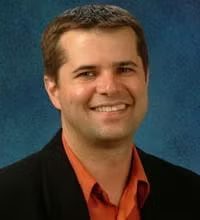
Andrew Fuligni
-
Hyong Jin Cho
-

Perry Nicassio
-

Richard Olmstead
-

Erica Sloan
-

Annette Stanton
-
Donald M. Lamkin, Ph.D.
About
The Cousins Center for PNI was founded by a cadre of research scientists at UCLA, brought together through the efforts of Norman Cousins, with the aim of understanding the interactions between the brain and the body and the importance of psychological well-being for both health and recovery from illness.
“It becomes necessary therefore to create a balanced perspective, one that recognizes that attitudes such as a strong will to live, high purpose, a capacity for festivity, and a reasonable degree of confidence are not an alternative to competent medical attention, but a way of enhancing the environment of treatment. The wise physician favors a spirit of responsible participation by the patients in a total strategy of medical care.”
Norman Cousins
What is Psychoneuroimmunology?
Psychoneuroimmunology is an interdisciplinary field of research including the behavioral sciences, neuroscience, physiology, pharmacology, and immunology. A major aim of the field is to examine interactions between behavior and the nervous and immune systems and how these interactions affect health.
History
The Cousins Center for Psychoneuroimmunology is dedicated to carrying on in the tradition of its founder,Norman Cousins (1915-1990). Norman Cousins came to UCLA in 1978 at the invitation of UCLA School of Medicine’s Dean Sherman Mellinkoff to join the faculty as Adjunct Professor of Medical Humanities.
What brought him to UCLA was the quest for proof that a patient’s psychological approach to illness could have an effect on biological states and health. He was particularly interested in the impact of positive emotions and attitudes, such as purpose, determination, love, hope, faith, will to live and festivity.
If the brain played an active role in the healing process, might it be consciously directed for that purpose? What would the implications of such findings be on the treatment of serious illness? Cousins came to believe that a good vehicle for making such discoveries was the emerging field of Psychoneuroimmunology (PNI). To promote this type of research at UCLA, he appointed a task force of high-caliber scientists whose representation encompassed the breadth of the field.
Out of the task force efforts grew the UCLA Program in Psychoneuroimmunology which had been renamed the Cousins Center for Psychoneuroimmunology.
Newsletter
- Summer 2022 Newsletter (PDF)
- Fall 2018 Newsletter (PDF)
- Summer 2016 Newsletter (PDF)
- Spring 2015 Newsletter (PDF)
- Winter 2014 Newsletter (PDF)
- Winter 2012 Newsletter (PDF)
- Summer 2010 Newsletter (PDF)
Recorded Lectures
Current Lectures
Previous Years’ Lectures
| Cousins Center Seminar Series, 2021-03-11, Dr. Heather Brenhouse March 11, 2021 Heather Brenhouse, PhD Cousins Center Seminar Series |
| UCLA Cousins Center Lectures in PNI, 2021-02-11, Dr. Robin Nusslock Feb 12, 2021 Robin Nusslock, PhD UCLA Cousins Center Lectures in PNI “How Stress Gets Under the Skin: A Neuroimmune Network Perspective” |
| UCLA Cousins Center Lectures in PNI, 2016-10-13 October 13, 2016 Monika Fleshner, PhD Professor of Integrative Physiology, Member of the Center for Neuroscience, University of Colorado at Boulder “Exercise induces stress robustness across the lifespan: the role of the gut microbiota” |
| Therapeutic Potential of Kappa Opioids in Pain And Addiction Thursday, April 28th 2016 Charles Chavkin, PhD Allan and Phyllis Treuer Endowed Chair of Pain Research and Professor, Department of Pharmacology, University of Washington “Therapeutic Potential of Kappa Opioids in Pain and Addiction” |
| Towards Mechanisms of Sleep Disruption Hyperalgesia April 1, 2016 Michael T. Smith, PhD Professor of Psychiatry, Neurology, and Nursing, Johns Hopkins School of Medicine, Director, Center for Behavior and Health, Co-Director, Center for Sleep-Related Symptom Science “Sleep Disruption Hyperalgesia: Mechanism and Clinical Implications” |
MARC
Published Studies:
At MARC, we have conducted research on both mindfulness, generally, and the effects of our signature Mindful Awareness Practices (MAPs) program in a variety of settings, both in adults and children. Below is a list of our past and current research projects, organized into three general categories: research conducted on our signature Mindful Awareness Practices (MAPs) program (including MAPs for insomnia, MAPS-I), the MARC app/recorded meditations, and other mindfulness research studies conducted in affiliation with MARC.
Research in mindfulness has identified a wide range of benefits in different areas of psychological health, such as helping to decrease anxiety, depression, rumination, and emotional reactivity. Research has also shown mindfulness helps to increase well-being, positive affect, and concentration.
Practicing mindfulness can also be helpful to foster physical health by improving immune system function, quality of sleep, as well as decreasing blood pressure. Structural and functional brain changes have also been documented in areas associated with attention, emotional regulation, empathy, and bodily awareness.
In addition to health, research has been made on the benefits of mindfulness in business and educational settings. In companies, results showed improved communication and work performance. In educational settings, mindfulness practices improved social-emotional skills, executive functions, and decreased test stress in students, as well as reduced stress and burnout in teachers.
Mindfulness Research at The Cousins Center for Psychoneuroimmunology
UCLA Mindful Awareness Research Center (MARC) is housed under The Cousins Center for Psychoneuroimmunology.The Cousins Center for Psychoneuroimmunology. The Cousins Center serves as a major campus facilitator for bridging training in the fields of behavioral science, neuroscience, and immunology.
The Cousins Center brings together diverse group of scientists with the goal of understanding the role of immunological mechanisms that underlie behavioral disturbances with impacts on mental health.
The Cousins Center consists of core faculty conducting PNI-based research studies on aging, alcohol and substance abuse, cancer, infectious diseases, inflammatory diseases and mind-body interactions. In addition, the center has its own on-site Inflammatory Biology Core Laboratory and Psychophysiology Laboratory.
For more information on being a study participant at the Cousins Center, please contact: 310.267.4389.
Mindful Awareness Practices (MAPs) Research
Improving biobehavioral health in younger breast cancer survivors: Pathways to Wellness trial secondary outcomes
For younger breast cancer survivors, how does Mindful Awareness Practices (MAPs) compare as an intervention to Survivorship Education (SE) and a waitlist control group for outcomes connected to stress, positive psychological states, and inflammation at pre and post intervention, in addition to 3 and 6 month follow-up?
The Pathways to Wellness trial tested the efficacy of 2 interventions for younger breast cancer survivors: mindful awareness practices (MAPs) and survivorship education (SE). This planned secondary analysis examines intervention effects on stress, positive psychological outcomes, and inflammation (Clincaltrials.gov NCT03025139). Women diagnosed with breast cancer at or before age 50 years who had completed treatment and had elevated depressive symptoms were randomly assigned to 6 weeks of MAPs, SE, or wait-list control (WLC). Assessments conducted at pre- and post intervention and at 3- and 6-month follow-up measured general stress perceptions, cancer-related intrusive thoughts and worry, positive affect, meaning and peace in life, altruism and empathy, and markers of inflammation. Analyses compared change in outcomes over time in each intervention group relative to WLC using linear mixed models. A total 247 women were randomly assigned to MAPs (n = 85), SE (n = 81), or WLC (n = 81). MAPs statistically significantly decreased intrusive thoughts and worry at postintervention and 3-month follow-up relative to WLC (P < .027) and statistically significantly increased positive affect and meaning and peace at post intervention, with positive affect persisting at 3-month follow-up (P < .027). SE statistically significantly decreased intrusive thoughts at 3-month follow-up and statistically significantly increased positive affect at 6-month follow-up relative to WLC (P < .01). Proinflammatory gene expression increased in WLC relative to MAPs (P = .016) but did not differ from SE. There were no intervention effects on other outcomes. MAPs had beneficial effects on psychological and immune outcomes in younger breast cancer survivors and is a promising approach for enhancing biobehavioral health.
Bower, J. E., Partridge, A. H., Wolff, A. C., Cole, S. W., Irwin, M. R., Thorner, E. D., Joffe, H., Petersen, L., Crespi, C. M., & Ganz, P. A. (2023). Improving biobehavioral health in younger breast cancer survivors: Pathways to Wellness trial secondary outcomes. Journal of the National Cancer Institute, 115(1), 83–92. https://doi.org/10.1093/jnci/djac180
Exploring impact of teaching parents MAPs on children’s emotion regulation in a disenfranchised school community
How does teaching Mindful Awareness Practices (MAPs) to parents impact parent emotion regulation, parent/child interactions, and subsequently, children’s emotion regulation?
This mixed methods study utilized surveys, auto-ethnographic observation, and interviews to explore the impact of teaching mindfulness to parents on parent emotion regulation, parent/child interactions, and children’s emotion regulation. Results from interviews demonstrated that parents who learned to practice mindfulness strengthened their emotion regulation and feelings of connectedness to others. Interviews and survey data indicated that parents became more aware of their feelings when interacting with their children, particularly in moments that required discipline. When children needed to be disciplined, parents were able to pause, reflect, and communicate with their children to promote internalized learning. This learning was carried forward in children and evidenced through positive changes in children’s emotion regulation. Paired samples t-tests demonstrated that children were less worried, easier to soothe, and happier. Overall, parent emotion regulation was strengthened, parents communicated more effectively with their children, particularly in moments that required discipline, and children subsequently internalized lessons learned about their behavior, leading to increased emotion regulation.
Gruber, N., (2023). Completing the circle: Supporting child emotion regulation through a parent mindfulness program in Arizona’s first mindful school district. [Doctoral dissertation, Arizona State University]. ProQuest Dissertations and Theses Global.
Comparing MAPs to Tai Chi for home health care workers
How does MAPs compare to Tai Chi as a stress reduction intervention for home health care workers?
This study compared the feasibility of implementing one of two non-clinical, evidence- based stress-reduction treatments: mindful awareness practices (MAPs) meditation versus Korean-style Tai Chi. Program effectiveness was assessed on a range of self-reported health and mental health quantitative outcomes at three time-points. Both groups showed statistically significant improvements in depression, insomnia, and negative affect during the six weeks (all p. <0.05), but only the MAPs group demonstrated a sustained improvement in negative affect at three-month follow-up (p. <0.05). At three-month follow-up, 55% of Tai Chi participants continued practicing learned techniques, compared to 75% of MAPs participants. MAPs were found to be more practical and amenable to integration in daily life compared to Tai Chi. Showing positive results on both feasibility and effectiveness assessment, MAPs were chosen over Tai Chi to be scaled as a benefit to HCAs.
Hansell, A. K., Olmstead, R., López Maya, E., & Banijamali, S., (2023). Stress reduction for paid home care aides: A feasibility study of mindfulness meditation and Tai Chi interventions. Home Health Care Services Quarterly, 1–19. https://doi.org/10.1080/01621424.2023.2214087
Comparing micro costs for treatment of insomnia in Alzheimer’s disease caregivers: MAPs for insomnia, versus cognitive behavioral therapy, for insomnia
For Alzheimer’s disease caregivers experiencing insomnia, which treatment is more cost effective, MAPs for insomnia or Cognitive Behavioral Therapy for Insomnia?
An ongoing randomized non-inferiority clinical trial, the Caregiver Sleep Research study, is evaluating whether mindfulness meditation is non-inferior to cognitive behavioral therapy for insomnia (CBT-I) in the treatment of insomnia in AD caregivers. The present report examines estimated intervention costs in this ongoing trial. Results were most sensitive to combined instructor time costs. Treatment of insomnia with MAPs-I, compared to CBT-I, yields substantial cost savings for society and the healthcare system. With this potential for cost savings, results of the ongoing non-inferiority trial have critical implications for insomnia treatment dissemination and its benefits to AD caregivers and other community populations with insomnia.
Bentley, T. G. K., Castillo, D., Sadeghi, N., Piber, D., Carroll, J., Olmstead, R., & Irwin, M. R.. (2022). Costs associated with treatment of insomnia in Alzheimer’s disease caregivers: a comparison of mindfulness meditation and cognitive behavioral therapy for insomnia. BMC Health Services Research, 22(1). https://doi.org/10.1186/s12913-022-07619-w
Exploring the efficacy of hybrid delivery of mindfulness instruction on perceived stress in pediatric resident physicians
For resident physicians, how does learning MAPS in hybrid format impact their wellbeing on measures connected to stress, burnout, depression, anxiety, loneliness and sleep, compared with a waitlist control group?
Pediatric residents (n = 66) were block randomized to a hybrid Mindful Awareness Practices (MAPs) intervention, comprised of one in-person 60–min session and 6-week access to a digitally delivered MAPs curriculum (n = 27) or wait-list control (n = 39). Perceived Stress Scale (PSS) was administered at baseline and post-intervention as the primary outcome measure. A priori secondary outcomes were measured using the Abbreviated Maslach Burnout Inventory-9, Beck Depression Inventory, Beck Anxiety Inventory, UCLA Loneliness Scale, and Pittsburgh Sleep Quality Index. After the first session, 58% participated at least one digital session (M = 2.0; SD = 1.3). MAPs participants showed significant decrease in PSS compared to controls, with between-group mean difference of 2.20 (95% CI 0.47–3.93) at post-intervention (effect size 0.91; 0.19–1.62). No secondary outcome group differences were detected. Exposure to a hybrid mindfulness intervention was associated with improvement in perceived stress among pediatric residents.
Purdie, D.R., Federman, M., Chin, A., Winston, D., Bursch, B., Olmstead, R., Bulut, Y., & Irwin, M.R., (2022). Hybrid Delivery of Mindfulness Meditation and Perceived Stress in Pediatric Resident Physicians: A Randomized Clinical Trial of In-Person and Digital Mindfulness Meditation. Journal of Clinical Psychology in Medical Settings. https://doi.org/10.1007/s10880-022-09896-3
Exploring personal and professional benefits of learning Mindful Awareness Practices (MAPs) among mental health professionals
How does learning to practice mindfulness via Mindful Awareness Practices (MAPs) benefit mental health professionals in their personal and professional lives?
Our aim was to explore the potential personal and occupational benefits of a structured mindfulness intervention on a cohort of mental health professionals. A mixed-methods approach was utilized in order to enhance the exploratory power of the study. We conducted a pilot study involving healthcare practitioners employed at a community outpatient mental health clinic. As a pilot, we relied on a single group and implemented a quasi-experimental, simultaneous mixed methods design by incorporating both quantitative pre- and post- testing alongside written qualitative post-test responses. Analysis of the data demonstrated a significant difference between overall mindfulness when comparing post-test (mean=140.8, standard deviation=18.9) with pre-test data (mean=128.3, standard deviation=28.6). Participants also showed a statistically significant difference in three of the subscales: observation, describing, and non-reactivity. A moderate effect size was seen for each of the above differences. Analysis of the qualitative data revealed a range of potential themes which may be used to explain the differences exhibited across participants’ personal and professional lives, which can be grouped into two thematic overarching groups: emotional reactivity and listening/communicating. The results of this pilot study indicate that a structured, six-week mindfulness program has the potential to benefit clinicians, personally by reducing emotional reactivity and professionally by promoting deep listening and communication.
Watson, T., Walker, O., Cann, R., & Varghese, A. K.. (2022). The benefits of mindfulness in mental healthcare professionals. F1000research, 10, 1085. https://doi.org/10.12688/f1000research.73729.2
Comparing impact of health promotion program versus MAPs on lifestyle behaviors and blood pressure
In a randomized control trial focused on adults with high blood pressure, how does learning MAPs versus participating in a health promotion program impact lifestyle behaviors and blood pressure?
This study tested whether a multimodal mind–body program, Mindful Awareness Practices (MAPs) could improve BP and lifestyle behaviors associated with HTN when compared to a Health Promotion Program (HPP). Adults with BP >120/80 were randomized to MAPs or HPP. Outcome measurements of BP, self-reported diet, and exercise were analyzed with intent-to-treat group comparisons using repeated measures linear mixed models. There was a MAPs–HPP between-group difference in interactions of time-by-systolic BP (P = 0.005) and time-by-diastolic BP (P = .003). The mean drops in SBP from baseline to week 13 for the MAPs group was 19 mm Hg (138 ± 15 mm Hg-119 ± 6 mm Hg) compared to 7 mm Hg (134 ± 18 mm Hg-127 ± 22 mm Hg) in the HPP group. Similarly, a greater reduction in DBP was observed in the MAPs group compared to the HPP group, 12 mm Hg (89 mm Hg ± 11-77 ± 7 mm Hg) and 1 mm Hg (81 ± 16 mm Hg-80 ± 18 mm Hg), respectively. Mediational analysis of the MAPs group showed the total effect of mindfulness practice minutes on SBP with indirect effect (ab) of .057 was significant, resulting in a 40% lower SBP for total effect (c) compared to direct (c0) effect alone. The mediational model suggests MAPs has a modest positive influence on participants initiating lifestyle behavior change, which partially explains the greater reduction in BP by the MAPs group. Our findings suggest a multimodal mind–body program involving mindfulness practice may improve BP control in adults with HTN.
An, E., Irwin, M.R., Doering, L.V., Brecht, M.L., Watson, K.E., Corwin, E., Macey, P.M., (2021). Mindfulness effects on lifestyle behavior and blood pressure: A randomized controlled trial. Health Science Reports, 4(2). https://doi.org/10.1002/hsr2.296
Mindfulness meditation and improvement in depressive symptoms among Spanish and English speaking adults
Are the effects of Mindful Awareness Practices (MAPs) on depressive symptoms similar for both English and Spanish speakers, when compared to a health education intervention?
In this randomized clinical trial with 2 parallel treatment groups, adults with moderate levels of perceived stress (n = 76) were recruited from the Los Angeles community from October 2015 to March 2016, stratified into Spanish- (n = 36) and English speaking (n = 40) language groups, and randomized for 6 weeks of treatment with standardized mindful awareness practices (MAPs) or health education (HE). Main outcome measure was depressive symptoms, measured by the Beck Depression Inventory. Using an intent-to-treat analysis, the primary outcome, depressive symptoms as indexed by the Beck Depression Inventory, showed greater improvement in MAPs vs. HE, with a between-group post-intervention mean difference of -2.2 (95% CI -4.4 – -0.07) and effect size of 0.28; similar effect sizes were found in the Spanish (0.29) and English speaking (0.30) groups. MAPs showed significant improvement relative to HE on secondary outcome of mindfulness with a between group difference of 10.7 (95% CI4.5–16.9), but not perceived stress. The comparable efficacy of Spanish and English formats of mindfulness meditation in improving depressive symptoms suggests that this community based intervention may mitigate depression risk in Latino adults who are experiencing social adversity.
Lopez-Maya, E., Olmstead, R., & Irwin, M. R.. (2019). Mindfulness meditation and improvement in depressive symptoms among Spanish- and English speaking adults: A randomized, controlled, comparative efficacy trial. PLOS ONE, 14(7), e0219425. https://doi.org/10.1371/journal.pone.0219425
Mindfulness as a practice for emotion regulation for breast cancer patients
Compared to a waitlist control group, do women with breast cancer benefit from learning Mindful Awareness Practices (MAPs) in their levels of rumination and/or self-kindness? What effect does mindfulness overall have on this?
This study tested emotion regulation strategies as mediators of intervention effects in a sample of younger women treated for breast cancer, a group at risk for psychological distress. We focused on two distinct strategies targeted by the intervention – rumination and self-kindness- and further examined the broader construct of mindfulness as a potential mediator. Women (n=71) with Stage 0–III breast cancer diagnosed at or before age 50 who had completed cancer treatment were randomly assigned to a 6-week mindfulness intervention or waitlist control group. Assessments occurred at study entry, post-intervention, and a 3-month follow-up. In single mediator analyses, increases in self-kindness (CIB=−7.83, −1.93), decreases in rumination (CIB =−5.05, −.31), and increases in mindfulness (CIB=−6.58, −.82) each mediated reductions in depressive symptoms from pre- to post-intervention. Increases in self-kindness also mediated reductions in perceived stress (CIB=−5.37, −.62) from pre-to post-intervention, and increases in self-kindness (CIB=−5.67, −.22) and in mindfulness (CIB=−5.51, −.16) each mediated intervention effects on perceived stress from pre-intervention to 3-month follow-up. In multiple mediator analysis, only self-kindness mediated intervention effects on depressive symptoms from pre- to post-intervention (CIB=−6.41, −.61), and self-kindness and mindfulness together mediated intervention effects on perceived stress from pre-intervention to follow-up (CIB=−6.77, −.35).
Boyle, C. C., Stanton, A. L., Ganz, P. A., Crespi, C. M., & Bower, J. E. (2017). Improvements in emotion regulation following mindfulness meditation: Effects on depressive symptoms and perceived stress in younger breast cancer survivors. Journal of consulting and clinical psychology, 85(4), 397–402. https://doi.org/10.1037/ccp0000186
Mindfulness meditation and improvement in sleep quality and daytime impairment among older adults with sleep disturbances
How does participating in Mindful Awareness Practices (MAPs), compared with a sleep-hygiene education program impact sleep quality in older adults with moderate sleep disturbance?
To determine the efficacy of a mind-body medicine intervention, called mindfulness meditation, to promote sleep quality in older adults with moderate sleep disturbances. Randomized clinical trial with 2 parallel groups conducted from January 1 to December 31, 2012, at a medical research center among an older adult sample (mean [SD] age, 66.3 [7.4] years) with moderate sleep disturbances (Pittsburgh Sleep Quality Index [PSQI] >5). A standardized mindful awareness practices (MAPs) intervention (n = 24) or a sleep hygiene education (SHE) intervention (n = 25) was randomized to participants, who received a 6-week intervention (2 hours per week) with assigned homework. The study was powered to detect between-group differences in moderate sleep disturbance measured via the PSQI at post intervention. Secondary outcomes pertained to sleep-related daytime impairment and included validated measures of insomnia symptoms, depression, anxiety, stress, and fatigue, as well as inflammatory signaling via nuclear factor (NF)–κB. Using an intent-to-treat analysis, participants in the MAPs group showed significant improvement relative to those in the SHE group on the PSQI. With the MAPs intervention, the mean (SD) PSQIs were 10.2 (1.7) at baseline and 7.4 (1.9) at post intervention. With the SHE intervention, the mean (SD) PSQIs were 10.2 (1.8) at baseline and 9.1 (2.0) at post intervention. The between-group mean difference was 1.8 (95% CI, 0.6-2.9), with an effect size of 0.89. The MAPs group showed significant improvement relative to the SHE group on secondary health outcomes of insomnia symptoms, depression symptoms, fatigue interference, and fatigue severity (P < .05 for all). Between-group differences were not observed for anxiety, stress, or NF-κB, although NF-κB concentrations significantly declined over time in both groups (P < .05). The use of a community-accessible MAPs intervention resulted in improvements in sleep quality at immediate post intervention, which was superior to a highly structured SHE intervention. Formalized mindfulness-based interventions have clinical importance by possibly serving to remediate sleep problems among older adults in the short term, and this effect appears to carry over into reducing sleep-related daytime impairment that has implications for quality of life.
Black, D. S., O’Reilly, G. A., Olmstead, R., Breen, E. C., & Irwin, M. R.. (2015). Mindfulness Meditation and Improvement in Sleep Quality and Daytime Impairment Among Older Adults With Sleep Disturbances. JAMA Internal Medicine, 175(4), 494. https://doi.org/10.1001/jamainternmed.2014.8081
Mindfulness meditation for younger breast cancer survivors
For younger breast cancer survivors, how does participating in a Mindful Awareness Practices (MAPs) class compare to a waitlist control group on measures of stress, depression, and inflammatory markers?
This randomized controlled trial provided the first evaluation of a Mindful Awareness Practices (MAPs) intervention for younger breast cancer survivors (at or before the age of 50) designed to reduce stress, depression, and inflammatory activity. Seventy-one women diagnosed with early-stage breast cancer who had completed cancer treatment were randomly assigned to a MAPs class or to a wait-list control group. The MAPs intervention led to significant reductions in perceived stress and marginal reductions in depressive symptoms, as well as significant reductions in pro-inflammatory gene expression and inflammatory signaling. Improvements in secondary outcomes included reduced fatigue, sleep disturbance, and vasomotor symptoms, as well as increased positive affect and experiences of peace and meaning. Although reductions in cancer-related distress were observed, intervention effects on psychological and behavioral measures were not maintained at the three-month follow-up assessment.
Bower, J. E., Crosswell, A. D., Stanton, A. L., Crespi, C. M., Winston, D., Arevalo, J., Ma, J., Cole, S. W., & Ganz, P. A., (2015). Mindfulness meditation for younger breast cancer survivors: A randomized controlled trial. Cancer, 121(8), 1231–1240. https://doi.org/10.1002/cncr.29194
Community-based mindfulness program for disease prevention and health promotion: targeting stress reduction
How does participating in Mindful Awareness Practices (MAPs) impact stress management in a community-based setting?
This study used a one-group pretest-posttest design. The study took place at the UCLA Mindful Awareness Research Center in urban Los Angeles. A sample of N = 127 community residents (84% Caucasian, 74% female) were included in the study. Participants received mindfulness training through the Mindful Awareness Practices (MAPs) for Daily Living I. Mindfulness, self-compassion, and perceived stress were measured at baseline and postintervention. Paired-sample t-tests were used to test for changes in outcome measures from baseline to post intervention. Hierarchical regression analysis was fit to examine whether change in self-reported mindfulness and self-compassion predicted post intervention perceived stress scores. There were statistically significant improvements in self-reported mindfulness (t = -10.67, p < .001, d = .90), self-compassion (t = -8.50, p < .001, d = .62), and perceived stress (t = 9.28, p < .001, d = -.78) at post intervention. Change in self-compassion predicted post intervention perceived stress (β = -.44, t = -5.06, p < .001), but change in mindfulness did not predict post intervention perceived stress (β = -.04, t = -.41, p = .68). These results indicate that a community-based mindfulness training program can lead to reduced levels of psychological stress. Mindfulness training programs such as MAPs may offer a promising approach for general public health promotion through improving stress management in the urban community.
Galla, B. M., O’Reilly, G. A., Kitil, M. J., Smalley, S. L., & Black, D. S. (2015). Community-based mindfulness program for disease prevention and health promotion: Targeting stress reduction. American journal of health promotion : AJHP, 30(1), 36–41. https://doi.org/10.4278/ajhp.131107-QUAN-567
Mindfulness training for stress reduction during pregnancy
Compared to a control group, how does participating in Mindful Awareness Practices (MAPs) impact pregnant women’s perceived levels of stress and anxiety?
This randomized controlled pilot trial tested a six-week mindfulness-based intervention in a sample of pregnant women experiencing high levels of perceived stress and pregnancy anxiety. Forty-seven women enrolled between 10 and 25 weeks gestation were randomly assigned to either a series of weekly Mindful Awareness Practices classes (n = 24) with home practice or to a reading control condition (n = 23). Hierarchical linear models of between-group differences in change over time demonstrated that participants in the mindfulness intervention experienced larger decreases from pre-to post-intervention in pregnancy-specific anxiety and pregnancy-related anxiety (PRA) than participants in the reading control condition. However, these effects were not sustained through follow-up at six weeks post-intervention. Participants in both groups experienced increased mindfulness, as well as decreased perceived stress and state anxiety over the course of the intervention and follow-up periods. This study is one of the first randomized controlled pilot trials of a mindfulness meditation intervention during pregnancy and provides some evidence that mindfulness training during pregnancy may effectively reduce PRA and worry. We discuss some of the dilemmas in pursuing this translational strategy and offer suggestions for researchers interested in conducting mind-body interventions during pregnancy.
Guardino, C. M., Dunkel Schetter, C., Bower, J. E., Lu, M. C., & Smalley, S. L., (2014). Randomized controlled pilot trial of mindfulness training for stress reduction during pregnancy. Psychology & Health, 29(3), 334–349. https://doi.org/10.1080/08870446.2013.852670
Exploring the impact of mindful awareness practices (MAPs) on executive functions in elementary school children
For children, aged 7-9 years old, how does participating in Mindful Awareness Practices (MAPs) impact executive functioning, compared to a control group?
A school-based program of mindful awareness practices (MAPs) was evaluated in a randomized control study of 64 second- and third-grade children ages 7–9 years. The program was delivered for 30 minutes, twice per week, for 8 weeks. Teachers and parents completed questionnaires assessing children’s executive function immediately before and following the 8-week period. Multivariate analysis of covariance on teacher and parent reports of executive function (EF) indicated an interaction effect between baseline EF score and group status on posttest EF. That is, children in the MAPs group who were less well regulated showed greater improvement in EF compared with controls. Specifically, those children starting out with poor EF who went through the MAPs training showed gains in behavioral regulation, metacognition, and overall global executive control. These results indicate a stronger effect of MAPs on children with executive function difficulties. The finding that both teachers and parents reported changes suggests that improvements in children’s behavioral regulation generalized across settings. Future work is warranted using neurocognitive tasks of executive functions, behavioral observation, and multiple classroom samples to replicate and extend these preliminary findings.
Flook, L., Smalley, S. L., Kitil, M. J., Galla, B. M., Kaiser-Greenland, S., Locke, J., Ishijima, E., & Kasari, C.. (2010). Effects of Mindful Awareness Practices on Executive Functions in Elementary School Children. Journal of Applied School Psychology, 26(1), 70–95. https://doi.org/10.1080/15377900903379125
App & Recorded Meditations Research
Exploring the impact of mindfulness practice via UCLA Mindful App usage on psychological outcomes for pretransplant patients with heart failure
How does practicing mindfulness using the UCLA Mindful App impact the psychological wellbeing of pretransplant patients with heart failure?
This project evaluated the feasibility and effect of a brief mindfulness intervention on stress, anxiety, and resilience in 20 hospitalized patients with advanced heart failure awaiting transplant. A 1-group, pretest-posttest design over a 4-week period was used. The intervention included a one-on-one mindfulness education session and a 12-minute audio-guided tablet computer app for daily self-practice. Outcome variables measured at baseline and 2 and 4 weeks after implementation included stress (10-item Perceived Stress Scale), anxiety (7-item Generalized Anxiety Disorder instrument), and resilience (10-item Connor-Davidson Resilience Scale). Statistical analysis included descriptive statistics and repeated-measures analysis of variance with Friedman tests, Bonferroni post hoc tests, and Wilcoxon matched-pairs tests. Significant reductions in stress and anxiety and increase in resilience occurred from baseline to 2 weeks and 4 weeks after intervention (all P = .001). Feasibility and acceptability were evident from patient experience survey data and focused interview responses. A brief mindfulness intervention holds promise for improving stress, anxiety, and resilience for patients with advanced heart failure awaiting transplant. Nurse-led stress reduction interventions are imperative for best patient outcomes. An evidence-based intervention of mindfulness practice embedded into daily usual patient care may be a feasible option.
Vandenbogaart, E., Gawlinski, A., Grimley, K. A., Lewis, M. A., & Pavlish, C. (2023). App-Based Mindfulness Intervention to Improve Psychological Outcomes in Pretransplant Patients With Heart Failure. Critical Care Nurse, 43(2), 15-25. https://doi.org/10.4037/ccn2023411
Addressing compassion fatigue in family caregivers using the UCLA Mindful App
How does usage of the UCLA Mindful App impact compassion fatigue symptoms among family caregivers?
This quality improvement project sought to determine if using a mindfulness-based smartphone app daily for 6 weeks would have any impact on CF in family caregivers. The project sought to determine whether it was feasible for caregivers to use the app and examined the impact on stress, depression, and anxiety. Participants completed two validated instruments before and after the 6-week intervention and results were compared using Wilcoxon signed rank tests. Results indicated a significant reduction in stress (p = .043) and a marginal reduction, though not significant, in depression (p = .075) and anxiety (p = .149). The caregivers found the app to be useful. Future projects should investigate the patterns of use by family members and use of the app as an adjunct to other interventions.
Burks, N., Turner, B. S., Cadavero, A., McGugan, L., & Thompson, J. (2022). Addressing Compassion Fatigue in Family Caregivers using a Mindfulness-based Smartphone Application. Home Healthcare Now, 40(6), 330-336. https://doi.org/10.1097/nhh.0000000000001119
Efficacy of a brief mindfulness intervention on anxiety in psychiatric patients with early psychosis
For individuals experiencing early psychosis, how does adding a three minute, recorded mediation to a routine psychiatric office visit impact state anxiety?
This study included patients who had experienced an initial episode of psychosis, with less than 30 months of antipsychotic exposure. First, the prescriber completed the COMPASS Clinician Rating Form (measuring symptom burden), and patients completed the POMS questionnaire (measuring anxiety). A 3-minute mindfulness exercise was administered, and patients again completed the POMS scale.The differences between the pre- and post intervention anxiety scores were analyzed using a paired t-test. Results: A total of 20 subjects participated. The mean Anxiety Subscale of the POMS scores decreased from 4.6 to 1.7. The change was statistically significant, and not influenced by symptom burden. A brief mindfulness exercise, conducted in a routine office visit, produced a significant reduction in state anxiety for early psychosis patients, regardless of symptom burden.
Ernst, A. F., & D’Mello, D.. (2020). Efficacy of a brief mindfulness intervention upon anxiety in early psychosis patients. Early Intervention in Psychiatry, 14(4), 503–506. https://doi.org/10.1111/eip.12902
Exploring the impact of a mindfulness meditation on willingness to help others
Does mindfulness meditation activate altruism?
Here we examined whether mindfulness meditation activates human altruism, a component of social cooperation. Using a simple donation game, which is a real-world version of the Dictator’s Game, we randomly assigned 326 subjects to a mindfulness meditation online session or control and measured their willingness to donate a portion of their payment for participation as a charitable donation. Subjects who underwent the meditation treatment donated at a 2.61 times higher rate than the control. We also found a larger treatment effect of meditation among those who did not go to college and those who were under 25 years of age, with both subject groups contributing virtually nothing in the control condition. The results imply high context modularity of human altruism and the development of intervention approaches including mindfulness meditation to increase social cooperation, especially among subjects with low baseline willingness to contribute.
Iwamoto, S. K., Alexander, M., Torres, M., Irwin, M. R., Christakis, N. A., & Nishi, A.. (2020). Mindfulness Meditation Activates Altruism. Scientific Reports, 10(1). https://doi.org/10.1038/s41598-020-62652-1
Other MARC Affiliated Research
Examining the transprofessional competencies of mindfulness teachers across clinical, organizational, and educational settings
What are the key competency domains for mindfulness teachers and their associated teaching activities and performance indicators?
This paper explores mindfulness-based teaching and learning (MBTL) as an emerging field of transprofessional practice spanning educational, organizational, and clinical professions. Recognising the need for a more robust set of transprofessional MBTL teacher competencies to serve this emerging specialization, the authors developed and validated the Mindfulness-Based Teaching and Learning – Teacher Competency Framework (MBTL-TCF). Building on the pre-existing Mindfulness-Based Interventions-Teaching Assessment Criteria (MBI-TAC), the researchers developed a teaching framework for mindfulness specialists to reflect teacher agency, autonomy, and self-determination consistent with the purposes, traditions, and effects of what MBTL teaches: that is, mindfulness. The paper presents the sequence of construct, face, and content validation procedures, including the alignment of the MBTL-TLC with Dreyfus and other teacher competency frameworks from a range of sectors and countries. Finally, using an adapted Delphi process, a six-member international expert panel plus one diversity reviewer were invited to review and refine the emerging framework. The resulting MBTL-TCF presents 12 competency domains with associated activities and performance indicators.
MacPherson, S. A., Grabovac, A. D., Collins, E. J., Heah, T., Rockman, P., & Winston, D. (2022). Transprofessional competencies across clinical, organizational, and educational professions: the case of mindfulness-based teaching and learning (MBTL). Professional Development in Education, 1-17. https://doi.org/10.1080/19415257.2022.2143863
Comparing impact of use of the Calm app to a waitlist control group on insomnia and other related sleep issues
Compared to a waitlist control group, how does practicing mindfulness using a mindfulness app, ten minutes a day for eight weeks impact: fatigue, daytime sleepiness, and pre-sleep arousal?
The objective of this randomized controlled trial was to test whether a commercially available, mindfulness meditation mobile app, (i.e., Calm app), was effective in reducing fatigue (primary outcome), pre-sleep arousal, and daytime sleepiness (secondary outcomes) in adults with sleep disturbance (Insomnia Severity Index Score >10) as compared to a waitlist control group. Associations between the use of the Calm app (i.e., adherence to the intervention) and changes in sleep quality was also explored in the intervention group only. Adults with sleep disturbance were recruited (N = 640). Eligible and consenting participants (N = 263) were randomly assigned to the intervention (n = 124) or a wait-list control (n =139) group. Intervention participants were asked to meditate using the Calm app 10 minutes/day for eight weeks. Fatigue, daytime sleepiness, and pre-sleep arousal were assessed at baseline, mid- (4-weeks) and post-intervention (8-weeks) in both groups, whereas sleep quality was evaluated only in the intervention group. Findings from intent-to treat analyses suggest the use of the Calm app for eight weeks significantly decreased daytime fatigue (p = .018) as well as daytime sleepiness (p = .003) and cognitive (p = .005) and somatic (p < .001) pre-sleep arousal as compared to the wait-list control group. Within the intervention group, use of the Calm app was associated with improvements in sleep quality (p < .001). This randomized controlled trial demonstrates that the Calm app can be used to treat fatigue, daytime sleepiness, and pre-sleep arousal in adults with sleep disturbance. Given that the Calm app is affordable and widely accessible, these data have implications for community level dissemination of a mobile app to improve sleep-related symptoms associated with sleep disturbance.
Huberty, J.L., Green, J., Puzia, M.E., Larkey, L., Laird, B., Vranceanu, A.M., Vlisides-Henry, R., Irwin, M.R., (2021). Testing a mindfulness meditation mobile app for the treatment of sleep-related symptoms in adults with sleep disturbance: A randomized controlled trial. PLoS One, 16(1). https://doi.org/10.1371/journal.pone.0244717
Comparing the impact of moderate intensity exercise to Mindfulness Based Stress Reduction (MBSR) on sleep quality
How does exercise versus meditation, learned through Mindfulness Based Stress Reduction (MBSR), impact quality of sleep?
Objectives: To assess the benefits of training in mindfulness-based stress reduction (MBSR) or moderate intensity exercise (EX) for improving sleep quality. Design: Randomized controlled trial. Setting: Outpatient, community-based. Participants: Healthy adults (n = 413) aged 3069 who did not regularly exercise or practice meditation, and who had no known prior sleep problems. Interventions: 1) 8-weeks of MBSR training; 2) matched EX training; or 3) wait-list control. Measurements: The Pittsburgh Sleep Quality Index (PSQI) was administered at baseline and at 1, 3, 5, and 7-month follow-up visits. Analysis: Total PSQI scores and three PSQI factors (perceived sleep quality; daily disturbance, sleep efficiency) were assessed using linear mixed effects regression models for longitudinal data. Results: Compared to controls, PSQI global scores improved significantly for EX (mean change -0.98 points [95% CI -1.56, -0.41] p = 0.001) and marginally for MBSR (-0.53 [-1.10, 0.04] p = 0.07). The perceived sleep quality factor improved for both EX (-0.18 [-0.30, -0.07] p = 0.002) and MBSR (-0.12 [-0.24, -0.01] p = 0.035). The daily disturbance factor improved slightly more for MBSR (-0.13 [-0.22, -0.033] p = 0.008) than EX (-0.09 [-0.19, 0.004] p = 0.06). The sleep efficiency factor did not improve after MBSR (0.08 [-0.045, 0.21] p = 0.2) or EX (-0.07 [-0.20, 0.06] p = 0.3). Improvements in the sleep quality were sustained over 7 months for both groups. Conclusions: Training in MBSR and EX produced small but statistically significant and sustained improvements in sleep quality. For EX participants, this improvement was due primarily to improvements in perceived sleep quality. For MBSR, the decrease in daily disturbance was more important.
Barrett, B., Harden, C.M., Brown, R.L., Coe, C.L., Irwin, M.R., (2020). Mindfulness meditation and exercise both improve sleep quality: Secondary analysis of a randomized controlled trial of community dwelling adults. Sleep Health, 6, 804-813. https://doi.org/10.1016/j.sleh.2020.04.003
Teaching Mindfulness Based Stress Reduction (MBSR) to older adults, exploring impact on loneliness and pro-inflammatory gene expression
How does learning Mindfulness Based Stress Reduction (MBSR), compared to a waitlist control group, impact loneliness and pro-inflammatory gene expression in older adults?
This study tested whether the 8-week Mindfulness-Based Stress Reduction (MBSR) program (compared to a Wait-List control group) reduces loneliness and downregulates loneliness-related pro-inflammatory gene expression in older adults (N = 40). Consistent with study predictions, mixed effect linear models indicated that the MBSR program reduced loneliness, compared to small increases in loneliness in the control group (treatment condition time interaction: F(1,35) = 7.86, p = .008). Moreover, at baseline, there was an association between reported loneliness and upregulated pro-inflammatory NF-jB-related gene expression in circulating leukocytes, and MBSR downregulated this NF-jB-associated gene expression profile at post-treatment. Finally, there was a trend for MBSR to reduce C Reactive Protein (treatment condition time interaction: (F(1,33) = 3.39, p = .075). This work provides an initial indication that MBSR may be a novel treatment approach for reducing loneliness and related pro-inflammatory gene expression in older adults.
Creswell, J.D., Irwin, M.R., Burklund, L.J., Lieberman, M.D., Arevalo, J.M., Ma, J., Breen, E.C., & Cole, S.W., (2012). Mindfulness-Based Stress Reduction training reduces loneliness and pro-inflammatory gene expression in older adults: a small randomized controlled trial. Brain Behavior and Immunity, 26, 1095-1101. http://dx.doi.org/10.1016/j.bbi.2012.07.006
Exploring the impact of mindful awareness practices (MAPs) on executive functions in elementary school children
For children, aged 7-9 years old, how does participating in Mindful Awareness Practices (MAPs) impact executive functioning, compared to a control group?
A school-based program of mindful awareness practices (MAPs) was evaluated in a randomized control study of 64 second- and third-grade children ages 7–9 years. The program was delivered for 30 minutes, twice per week, for 8 weeks. Teachers and parents completed questionnaires assessing children’s executive function immediately before and following the 8-week period. Multivariate analysis of covariance on teacher and parent reports of executive function (EF) indicated an interaction effect between baseline EF score and group status on posttest EF. That is, children in the MAPs group who were less well regulated showed greater improvement in EF compared with controls. Specifically, those children starting out with poor EF who went through the MAPs training showed gains in behavioral regulation, metacognition, and overall global executive control. These results indicate a stronger effect of MAPs on children with executive function difficulties. The finding that both teachers and parents reported changes suggests that improvements in children’s behavioral regulation generalized across settings. Future work is warranted using neurocognitive tasks of executive functions, behavioral observation, and multiple classroom samples to replicate and extend these preliminary findings.
Flook, L., Smalley, S. L., Kitil, M. J., Galla, B. M., Kaiser-Greenland, S., Locke, J., Ishijima, E., & Kasari, C.. (2010). Effects of Mindful Awareness Practices on Executive Functions in Elementary School Children. Journal of Applied School Psychology, 26(1), 70–95. https://doi.org/10.1080/15377900903379125
Mindfulness meditation training effects on CD4+ T lymphocytes in HIV-1 infected adults
Compared to a one day control seminar, how does participating in Mindfulness Based Stress Reduction (MBSR) impact CD4+ T lymphocyte counts in HIV infected adults?
This study tested the efficacy of an 8-week Mindfulness-based stress reduction (MBSR) meditation program compared to a 1-day control seminar on CD4+ T lymphocyte counts in stressed HIV infected adults. A single-blind randomized controlled trial was conducted with enrollment and follow-up occurring between November 2005 and December 2007. A diverse community sample of 48 HIV-1 infected adults was randomized and entered treatment in either an 8-week MBSR or a 1-day control stress reduction education seminar. The primary outcome was circulating counts of CD4+ T lymphocytes. Participants in the 1-day control seminar showed declines in CD4+ T lymphocyte counts whereas counts among participants in the 8-week MBSR program were unchanged from baseline to post-intervention (time x treatment condition interaction, p=.02). This effect was independent of antiretroviral (ARV) medication use. Additional analyses indicated that treatment adherence to the mindfulness meditation program, as measured by class attendance, mediated the effects of mindfulness meditation training on buffering CD4+ T lymphocyte declines. These findings provide an initial indication that mindfulness meditation training can buffer CD4+ T lymphocyte declines in HIV-1 infected adults.
Creswell, J. D., Myers, H. F., Cole, S. W., & Irwin, M. R.. (2009). Mindfulness meditation training effects on CD4+ T lymphocytes in HIV-1 infected adults: A small randomized controlled trial. Brain, Behavior, and Immunity, 23(2), 184–188. https://doi.org/10.1016/j.bbi.2008.07.004
A feasibility study on mindfulness meditation training in adults and adolescents with ADHD
For adolescents and adults with ADHD, is mindfulness an appropriate intervention to address symptoms of ADHD and associated impairments?
This study tested the feasibility of an 8-week mindfulness training program for adults and adolescents with ADHD. Twenty-four adults and eight adolescents with ADHD enrolled in a feasibility study of an 8-week mindfulness training program. The majority of participants completed the training and reported high satisfaction with the training. Pre-post improvements in self-reported ADHD symptoms and test performance on tasks measuring attention and cognitive inhibition were noted. Improvements in anxiety and depressive symptoms were also observed. Mindfulness training is a feasible intervention in a subset of ADHD adults and adolescents and may improve behavioral and neurocognitive impairments. A controlled clinical study is warranted.
Zylowska, L., Ackerman, D. L., Yang, M. H., Futrell, J. L., Horton, N. L., Hale, T. S., Pataki, C., & Smalley, S. L. (2008). Mindfulness meditation training in adults and adolescents with ADHD: a feasibility study. Journal of attention disorders, 11(6), 737–746. https://doi.org/10.1177/1087054707308502
Comparing cognitive behavioral therapy, mindfulness meditation emotion regulation therapy, and education for rheumatoid arthritis for patients with and without history of recurrent depression
For patients with rheumatoid arthritis, with and without recurring depression, how does cognitive behavioral therapy compare to a mindfulness intervention, or education as a means for reducing pain and improving overall quality of life?
This research examined whether cognitive behavioral therapy and mindfulness interventions that target responses to chronic stress, pain, and depression reduce pain and improve the quality of everyday life for adults with rheumatoid arthritis (RA). The 144 RA participants were clustered into groups of 6 –10 participants and randomly assigned to 1 of 3 treatments: cognitive behavioral therapy for pain (P); mindfulness meditation and emotion regulation therapy (M); or education-only group (E), which served as an attention placebo control. The authors took a multimethod approach, employing daily diaries and laboratory assessment of pain and mitogen-stimulated levels of interleukin-6 (IL-6), a proinflammatory cytokine. Participants receiving P showed the greatest Pre to Post improvement in self-reported pain control and reductions in the IL-6; both P and M groups showed more improvement in coping efficacy than did the E group. The relative value of the treatments varied as a function of depression history. RA patients with recurrent depression benefited most from M across several measures, including negative and positive affect and physicians’ ratings of joint tenderness, indicating that the emotion regulation aspects of that treatment were most beneficial to those with chronic depressive features.
Zautra, A.J., Davis, M.C., Reich, J.W., Tennen, H., Irwin, M.R., Nicassio, P., Finan, P., Kratz, A., & Parrish, B., (2008). Comparison of cognitive behavioral and mindfulness meditation interventions on adaptation to rheumatoid arthritis for patients with and without history of recurrent depression. Journal of Consulting and Clinical Psychology, 76(3), 408-421. DOI: 10.1037/0022-006X.76.3.408
Publications
2016
- T.K. Inagaki; M.R. Irwin; M. Moieni; I. Jevtic; N.I. Eisenberger “A Pilot Study Examining Physical and Social Warmth: Higher (Non-Febrile) Oral Temperature Is Associated with Greater Feelings of Social Connection.”
- Y. Kang; A.S. Nagaraja; G.N. Armaiz-Pena; P.L. Dorniak; W. Hu; R. Rupaimoole; T. Liu; K.M. Gharpure; R.A. Previs; J.M. Hansen; C. Rodriguez-Aguayo; C. Ivan; P. Ram; V. Sehgal; G. Lopez-Berestein; S.K. Lutgendorf; S.W. Cole; A.K. Sood “Adrenergic Stimulation of DUSP1 Impairs Chemotherapy Response in Ovarian Cancer.”
- S.H. Mellon; O.M. Wolkowitz; M.D. Schonemann; E.S. Epel; R. Rosser; H.B. Burke; L. Mahan; V.I. Reus; D. Stamatiou; C.C. Liew; S.W. Cole “Alterations in leukocyte transcriptional control pathway activity associated with major depressive disorder and antidepressant treatment.”
- S.H. Seeley; B. Yanez; A.L. Stanton; M.A. Hoyt “An emotional processing writing intervention and heart rate variability: the role of emotional approach.”
- G.S. Shields; S.Young Kuchenbecker; S.D. Pressman; K.D. Sumida; G.M. Slavich “Better cognitive control of emotional information is associated with reduced pro-inflammatory cytokine reactivity to emotional stress.”
- C.P. Le; C.J. Nowell; C. Kim-Fuchs; E. Botteri; J.G. Hiller; H. Ismail; M.A. Pimentel; M.G. Chai; T. Karnezis; N. Rotmensz; G. Renne; S. Gandini; C.W. Pouton; D. Ferrari; A. Möller; S.A. Stacker; E.K. Sloan “Chronic stress in mice remodels lymph vasculature to promote tumour cell dissemination.”
- B.L. Fredrickson; K.M. Grewen; S.B. Algoe; A.M. Firestine; J.M.G. Arevalo; J. Ma; S.W. Cole “Correction: Psychological Well-Being and the Human Conserved Transcriptional Response to Adversity.”
- J.J. Chiang; K.M. Tsai; H. Park; J.E. Bower; D.M. Almeida; R.E. Dahl; M.R. Irwin; T.E. Seeman; A.J. Fuligni “Daily family stress and HPA axis functioning during adolescence: The moderating role of sleep.”
- N.W. Andersson; R.D. Goodwin; N. Okkels; L.N. Gustafsson; F. Taha; S.W. Cole; P. Munk-Jørgensen “Depression and the risk of severe infections: prospective analyses on a nationwide representative sample.”
- J.M. Mullington; S.M. Abbott; J.E. Carroll; C.J. Davis; D.J. Dijk; D.F. Dinges; P.R. Gehrman; G.S. Ginsburg; D. Gozal; M. Haack; D.C. Lim; M. Macrea; A.I. Pack; D.T. Plante; J.A. Teske; P.C. Zee “Developing Biomarker Arrays Predicting Sleep and Circadian-Coupled Risks to Health.”
- J.F. Wiley; E.H. Cleary; A. Karan; A.L. Stanton “Disease controllability moderates the effect of coping efficacy on positive affect.”
- M.R. Bauer; L.N. Harris; J.F. Wiley; C.M. Crespi; J.L. Krull; K.L. Weihs; A.L. Stanton “Dispositional and Situational Avoidance and Approach as Predictors of Physical Symptom Bother Following Breast Cancer Diagnosis.”
- P.I. Moreno; M.R. Bauer; B. Yanez; A. Jorge; M. Maggard-Gibbons; A.L. Stanton “Dispositional emotional expressivity, cancer-specific coping, and distress in socioeconomically-disadvantaged Latinas.”
- K. Dedovic; G.M. Slavich; K.A. Muscatell; M.R. Irwin; N.I. Eisenberger “Dorsal Anterior Cingulate Cortex Responses to Repeated Social Evaluative Feedback in Young Women with and without a History of Depression.”
- L. Toussaint; G.S. Shields; G. Dorn; G.M. Slavich “Effects of lifetime stress exposure on mental and physical health in young adulthood: How stress degrades and forgiveness protects health.”
- R.G. Reed; K.L. Weihs; D.A. Sbarra; E.C. Breen; M.R. Irwin; E.A. Butler “Emotional acceptance, inflammation, and sickness symptoms across the first two years following breast cancer diagnosis.”
- T.F. Robles; J.E. Carroll; S. Bai; B.M. Reynolds; S. Esquivel; R.L. Repetti “Emotions and family interactions in childhood: Associations with leukocyte telomere length emotions, family interactions, and telomere length.”
- L.A.M. Lebois; C. Hertzog; G.M. Slavich; L.Feldman Barrett; L.W. Barsalou “Establishing the situated features associated with perceived stress.”
- K.A. Muscatell; M. Moieni; T.K. Inagaki; J.M. Dutcher; I. Jevtic; E.C. Breen; M.R. Irwin; N.I. Eisenberger “Exposure to an inflammatory challenge enhances neural sensitivity to negative and positive social feedback.”
- A. Diniz-Filho; R.Y. Abe; H.Jin Cho; S. Baig; C.P.B. Gracitelli; F.A. Medeiros “Fast Visual Field Progression Is Associated with Depressive Symptoms in Patients with Glaucoma.”
- L.L. Toussaint; G.S. Shields; G.M. Slavich “Forgiveness, Stress, and Health: a 5-Week Dynamic Parallel Process Study.”
- T.K. Inagaki; N.I. Eisenberger “Giving support to others reduces sympathetic nervous system-related responses to stress.”
- M.A. Hoyt; K.E. Gamarel; C.S. Saigal; A.L. Stanton “Goal Navigation, Approach-Oriented Coping, and Adjustment in Young Men with Testicular Cancer.”
- S.D. Youngstedt; E.E. Goff; A.M. Reynolds; D.F. Kripke; M.R. Irwin; R.R. Bootzin; N. Khan; G. Jean-Louis “Has adult sleep duration declined over the last 50+ years?”
- P.A. Ganz; L. Petersen; J.E. Bower; C.M. Crespi “Impact of Adjuvant Endocrine Therapy on Quality of Life and Symptoms: Observational Data Over 12 Months From the Mind-Body Study.”
- B. Marroquín; J. Czamanski-Cohen; K.L. Weihs; A.L. Stanton “Implicit loneliness, emotion regulation, and depressive symptoms in breast cancer survivors.”
- D.J. Miklowitz; L.C. Portnoff; C.C. Armstrong; D. Keenan-Miller; E.C. Breen; K.A. Muscatell; N.I. Eisenberger; M.R. Irwin “Inflammatory cytokines and nuclear factor-kappa B activation in adolescents with bipolar and major depressive disorders.”
- J.E. Carroll; S. Esquivel; A. Goldberg; T.E. Seeman; R.B. Effros; J. Dock; R. Olmstead; E.C. Breen; M.R. Irwin “Insomnia and Telomere Length in Older Adults.”
- K.A. Muscatell; N.I. Eisenberger; J.M. Dutcher; S.W. Cole; J.E. Bower “Links between inflammation, amygdala reactivity, and social support in breast cancer survivors.”
- J.M. Knight; D. Rizzo; B.R. Logan; T. Wang; J.M.G. Arevalo; J. Ma; S.W. Cole “Low Socioeconomic Status, Adverse Gene Expression Profiles, and Clinical Outcomes in Hematopoietic Stem Cell Transplant Recipients.”
- M.A. Hoyt; C.J. Nelson; K. Darabos; A. Marín-Chollom; A.L. Stanton “Mechanisms of navigating goals after testicular cancer: meaning and emotion regulation.”
- J.E. Bower; M.R. Irwin “Mind-body therapies and control of inflammatory biology: A descriptive review.”
- D.S. Black; G.M. Slavich “Mindfulness meditation and the immune system: a systematic review of randomized controlled trials.”
- K.A. Muscatell; K. Dedovic; G.M. Slavich; M.R. Jarcho; E.C. Breen; J.E. Bower; M.R. Irwin; N.I. Eisenberger “Neural mechanisms linking social status and inflammatory responses to social stress.”
- T.K. Inagaki; L.A. Ray; M.R. Irwin; B.M. Way; N.I. Eisenberger “Opioids and social bonding: naltrexone reduces feelings of social connection.”
- B.A. Tabak; M.L. Meyer; J.M. Dutcher; E. Castle; M.R. Irwin; M.D. Lieberman; N.I. Eisenberger “Oxytocin, but not vasopressin, impairs social cognitive ability among individuals with higher levels of social anxiety: a randomized controlled trial.”
- W.P. Horan; A.M. Jimenez; J. Lee; J.K. Wynn; N.I. Eisenberger; M.F. Green “Pain empathy in schizophrenia: an fMRI study.”
- S.S.Angie Guan; J.E. Bower; D.M. Almeida; S.W. Cole; R.E. Dahl; M.R. Irwin; T.E. Seeman; T. McDade; A.J. Fuligni “Parental support buffers the association of depressive symptoms with cortisol and C-reactive protein during adolescence.”
- J.E. Carroll; S.W. Cole; T.E. Seeman; E.C. Breen; T. Witarama; J.M.G. Arevalo; J. Ma; M.R. Irwin “Partial sleep deprivation activates the DNA damage response (DDR) and the senescence-associated secretory phenotype (SASP) in aged adult humans.”
- H.E. Walker; S.M. Rosenberg; A.L. Stanton; K.J. Petrie; A.H. Partridge “Perceptions, Attributions, and Emotions Toward Endocrine Therapy in Young Women with Breast Cancer.”
- K.R. Criswell; J.E. Owen; A.A. Thornton; A.L. Stanton “Personal responsibility, regret, and medical stigma among individuals living with lung cancer.”
- M.F. Bjurstrom; M.R. Irwin “Polysomnographic characteristics in nonmalignant chronic pain populations: A review of controlled studies.”
- M.R. Irwin; M.F. Bjurstrom; R. Olmstead “Polysomnographic measures of sleep in cocaine dependence and alcohol dependence: Implications for age-related loss of slow wave, stage 3 sleep.”
- P.I. Moreno; A.L. Moskowitz; P.A. Ganz; J.E. Bower “Positive Affect and Inflammatory Activity in Breast Cancer Survivors: Examining the Role of Affective Arousal.”
- C.C. Boyle; A.L. Stanton; P.A. Ganz; J.E. Bower “Posttraumatic growth in breast cancer survivors: does age matter?”
- H.J. Cho; N.I. Eisenberger; R. Olmstead; E.C. Breen; M.R. Irwin “Preexisting mild sleep disturbance as a vulnerability factor for inflammation-induced depressed mood: a human experimental study.”
- M.A. Hoyt; J. Austenfeld; A.L. Stanton “Processing coping methods in expressive essays about stressful experiences: Predictors of health benefit.”
- M.D. Lieberman; S.M. Burns; J.B. Torre; N.I. Eisenberger “Reply to Wager et al.: Pain and the dACC: The importance of hit rate-adjusted effects and posterior probabilities with fair priors.”
- J.M. Dutcher; D. Creswell; L.E. Pacilio; P.R. Harris; W.M.P. Klein; J.M. Levine; J.E. Bower; K.A. Muscatell; N.I. Eisenberger “Self-Affirmation Activates the Ventral Striatum: A Possible Reward-Related Mechanism for Self-Affirmation.”
- H. Park; K.M. Tsai; R.E. Dahl; M.R. Irwin; H. McCreath; T.E. Seeman; A.J. Fuligni “Sleep and Inflammation During Adolescence.”
- M.R. Irwin; R. Olmstead; J.E. Carroll “Sleep Disturbance, Sleep Duration, and Inflammation: A Systematic Review and Meta-Analysis of Cohort Studies and Experimental Sleep Deprivation.”
- M.A. Hoyt; J.E. Bower; M.R. Irwin; M.R. Weierich; A.L. Stanton “Sleep quality and depressive symptoms after prostate cancer: The mechanistic role of cortisol.”
- A.S. Nagaraja; P.L. Dorniak; N.C. Sadaoui; Y. Kang; T. Lin; G. Armaiz-Pena; S.Y. Wu; R. Rupaimoole; J.K. Allen; K.M. Gharpure; S. Pradeep; B. Zand; R.A. Previs; J.M. Hansen; C. Ivan; C. Rodriguez-Aguayo; P. Yang; G. Lopez-Berestein; S.K. Lutgendorf; S.W. Cole; A.K. Sood “Sustained adrenergic signaling leads to increased metastasis in ovarian cancer via increased PGE2 synthesis.”
- T.K. Inagaki; K.E.Bryne Haltom; S. Suzuki; I. Jevtic; E. Hornstein; J.E. Bower; N.I. Eisenberger “The Neurobiology of Giving Versus Receiving Support: The Role of Stress-Related and Social Reward-Related Neural Activity.”
- H.J. Tan; L.S. Marks; M.A. Hoyt; L. Kwan; C.P. Filson; M. Macairan; P. Lieu; M.S. Litwin; A.L. Stanton “The Relationship between Intolerance of Uncertainty and Anxiety in Men on Active Surveillance for Prostate Cancer.”
- C.K. Pon; R. Lane; E.K. Sloan; M.L. Halls “The β2-adrenoceptor activates a positive cAMP-calcium feedforward loop to drive breast cancer cell invasion.”
- B. Marroquín; C.C. Boyle; S. Nolen-Hoeksema; A.L. Stanton “Using Emotion as Information in Future-Oriented Cognition: Individual Differences in the Context of State Negative Affect.”
- L.N. Dooley; P.A. Ganz; S.W. Cole; C.M. Crespi; J.E. Bower “Val66Met BDNF polymorphism as a vulnerability factor for inflammation-associated depressive symptoms in women with breast cancer.”
- A.N. Niles; K.E.Byrne Haltom; M.D. Lieberman; C. Hur; A.L. Stanton “Writing content predicts benefit from written expressive disclosure: Evidence for repeated exposure and self-affirmation.”
- T.K. Inagaki; K.A. Muscatell; M. Moieni; J.M. Dutcher; I. Jevtic; M.R. Irwin; N.I. Eisenberger “Yearning for connection? Loneliness is associated with increased ventral striatum activity to close others.”
2015
- G.N. Armaiz-Pena; V. Gonzalez-Villasana; A.S. Nagaraja; C. Rodriguez-Aguayo; N.C. Sadaoui; R.L. Stone; K. Matsuo; H.J. Dalton; R.A. Previs; N.B. Jennings; P. Dorniak; J.M. Hansen; J.M.G. Arevalo; S.W. Cole; S.K. Lutgendorf; A.K. Sood; G. Lopez-Berestein “Adrenergic regulation of monocyte chemotactic protein 1 leads to enhanced macrophage recruitment and ovarian carcinoma growth.”
- A.N. Niles; H.J. Dour; A.L. Stanton; P.P. Roy-Byrne; M.B. Stein; G. Sullivan; C.D. Sherbourne; R.D. Rose; M.G. Craske “Anxiety and depressive symptoms and medical illness among adults with anxiety disorders.”
- T.K. Inagaki; M.R. Irwin; N.I. Eisenberger “Blocking opioids attenuates physical warmth-induced feelings of social connection.”
- R.A. Campo; K.C. Light; K. O’Connor; Y. Nakamura; D. Lipschitz; P.C. LaStayo; L.M. Pappas; K.M. Boucher; M.R. Irwin; H.R. Hill; T.B. Martins; N. Agarwal; A.Y. Kinney “Blood pressure, salivary cortisol, and inflammatory cytokine outcomes in senior female cancer survivors enrolled in a tai chi chih randomized controlled trial.”
- M.E. Levine; S.W. Cole; D.R. Weir; E.M. Crimmins “Childhood and later life stressors and increased inflammatory gene expression at older ages.”
- M.R. Irwin; R. Olmstead; E.C. Breen; T. Witarama; C. Carrillo; N. Sadeghi; J.M.G. Arevalo; J. Ma; P. Nicassio; R. Bootzin; S. Cole “Cognitive behavioral therapy and tai chi reverse cellular and genomic markers of inflammation in late-life insomnia: a randomized controlled trial.”
- L.V. Doering; A. McGuire; J.A. Eastwood; B. Chen; R.C. Bodán; L.S. Czer; M.R. Irwin “Cognitive behavioral therapy for depression improves pain and perceived control in cardiac surgery patients.”
- H.F. Myers; G.E. Wyatt; J.B. Ullman; T.B. Loeb; D. Chin; N. Prause; M. Zhang; J.K. Williams; G.M. Slavich; H. Liu “Cumulative burden of lifetime adversities: Trauma and mental health in low-SES African Americans and Latino/as.”
- N.W. Andersson; L.N. Gustafsson; N. Okkels; F. Taha; S.W. Cole; P. Munk-Jørgensen; R.D. Goodwin “Depression and the risk of autoimmune disease: a nationally representative, prospective longitudinal study.”
- E.E. Accortt; J.E. Bower; A.L. Stanton; P.A. Ganz “Depression and vasomotor symptoms in young breast cancer survivors: the mediating role of sleep disturbance.”
- A.L. Stanton; J.F. Wiley; J.L. Krull; C.M. Crespi; C. Hammen; J.J.B. Allen; M.L. Barrón; A. Jorge; K.L. Weihs “Depressive episodes, symptoms, and trajectories in women recently diagnosed with breast cancer.”
- L. Fleisher; K.Yi Wen; S.M. Miller; M. Diefenbach; A.L. Stanton; M. Ropka; M. Morra; P.C. Raich “Development and utilization of complementary communication channels for treatment decision making and survivorship issues among cancer patients: The CIS Research Consortium Experience.”
- A. Schrepf; P.H. Thaker; M.J. Goodheart; D. Bender; G.M. Slavich; L. Dahmoush; F. Penedo; K. DeGeest; L. Mendez; D.M. Lubaroff; S.W. Cole; A.K. Sood; S.K. Lutgendorf “Diurnal cortisol and survival in epithelial ovarian cancer.”
- C.C. Conway; G.M. Slavich; C. Hammen “Dysfunctional Attitudes and Affective Responses to Daily Stressors: Separating Cognitive, Genetic, and Clinical Influences on Stress Reactivity.”
- J.J. Chiang; S.E. Taylor; J.E. Bower “Early adversity, neural development, and inflammation.”
- M. Tartter; C. Hammen; J.E. Bower; P.A. Brennan; S. Cole “Effects of chronic interpersonal stress exposure on depressive symptoms are moderated by genetic variation at IL6 and IL1β in youth.”
- L.Z. Davis; G.M. Slavich; P.H. Thaker; M.J. Goodheart; D.P. Bender; L. Dahmoush; D.M. Farley; K.E. Markon; F.J. Penedo; D.M. Lubaroff; S.W. Cole; A.K. Sood; S.K. Lutgendorf “Eudaimonic well-being and tumor norepinephrine in patients with epithelial ovarian cancer.”
- K.A. Muscatell; K. Dedovic; G.M. Slavich; M.R. Jarcho; E.C. Breen; J.E. Bower; M.R. Irwin; N.I. Eisenberger “Greater amygdala activity and dorsomedial prefrontal-amygdala coupling are associated with enhanced inflammatory responses to stress.”
- S.M. Rosenberg; C.S. Moskowitz; J.S. Ford; T.O. Henderson; L. Frazier; L.R. Diller; M.M. Hudson; A.L. Stanton; J.F. Chou; S. Smith; W.M. Leisenring; A.C. Mertens; C.L. Cox; P.C. Nathan; K.R. Krull; L.L. Robison; K.C. Oeffinger “Health care utilization, lifestyle, and emotional factors and mammography practices in the Childhood Cancer Survivor Study.”
- H. Choi; M.R. Irwin; H.Jin Cho “Impact of social isolation on behavioral health in elderly: Systematic review.”
- J.E. Carroll; T.E. Seeman; R. Olmstead; G. Melendez; R. Sadakane; R. Bootzin; P. Nicassio; M.R. Irwin “Improved sleep quality in older adults with insomnia reduces biomarkers of disease risk: pilot results from a randomized controlled comparative efficacy trial.”
- M. Moieni; M.R. Irwin; I. Jevtic; E.C. Breen; N.I. Eisenberger “Inflammation impairs social cognitive processing: A randomized controlled trial of endotoxin.”
- S.K. Patel; A.L. Wong; L. Wong; E.Crabb Breen; A. Hurria; M. Smith; C. Kinjo; B. Paz; L. Kruper; G. Somlo; J.E. Mortimer; M.R. Palomares; M.R. Irwin; S. Bhatia “Inflammatory Biomarkers, Comorbidity, and Neurocognition in Women With Newly Diagnosed Breast Cancer.”
- E.F. Coccaro; R. Lee; E.C. Breen; M.R. Irwin “Inflammatory markers and chronic exposure to fluoxetine, divalproex, and placebo in intermittent explosive disorder.”
- M.A. Hoyt; C. McCann; M. Savone; C.S. Saigal; A.L. Stanton “Interpersonal Sensitivity and Sexual Functioning in Young Men with Testicular Cancer: the Moderating Role of Coping.”
- A.L. Stanton; J.H. Rowland; P.A. Ganz “Life after diagnosis and treatment of cancer in adulthood: contributions from psychosocial oncology research.”
- S.J. Sullivan-Singh; A.L. Stanton; C.A. Low “Living with limited time: Socioemotional selectivity theory in the context of health adversity.”
- P.A. Ganz; A.L. Stanton “Living with Metastatic Breast Cancer.”
- J.T. Cacioppo; S. Cacioppo; S.W. Cole; J.P. Capitanio; L. Goossens; D.I. Boomsma “Loneliness across phylogeny and a call for comparative studies and animal models.”
- S.W. Cole; M.E. Levine; J.M.G. Arevalo; J. Ma; D.R. Weir; E.M. Crimmins “Loneliness, eudaimonia, and the human conserved transcriptional response to adversity.”
- N.I. Eisenberger “Meta-analytic evidence for the role of the anterior cingulate cortex in social pain.”
- L.M. Kaminskas; V.M. McLeod; D.B. Ascher; G.M. Ryan; S. Jones; J.M. Haynes; N.L. Trevaskis; L.J. Chan; E.K. Sloan; B.A. Finnin; M. Williamson; T. Velkov; E.D. Williams; B.D. Kelly; D.J. Owen; C.J.H. Porter “Methotrexate-conjugated PEGylated dendrimers show differential patterns of deposition and activity in tumor-burdened lymph nodes after intravenous and subcutaneous administration in rats.”
- D.S. Black; G.A. O’Reilly; R. Olmstead; E.C. Breen; M.R. Irwin “Mindfulness meditation and improvement in sleep quality and daytime impairment among older adults with sleep disturbances: a randomized clinical trial.”
- J.E. Bower; A.D. Crosswell; A.L. Stanton; C.M. Crespi; D. Winston; J. Arevalo; J. Ma; S.W. Cole; P.A. Ganz “Mindfulness meditation for younger breast cancer survivors: a randomized controlled trial.”
- P. Voege; J.E. Bower; A.L. Stanton; P.A. Ganz “Motivations associated with physical activity in young breast cancer survivors.”
- S.R. Ormseth; T.L. Draper; M.R. Irwin; M.H. Weisman; A.E. Aréchiga; N. Hartoonian; T. Bui; P.M. Nicassio “Multidimensional Model of Disability and Role Functioning in Rheumatoid Arthritis.”
- S.W. Cole; J.P. Capitanio; K. Chun; J.M.G. Arevalo; J. Ma; J.T. Cacioppo “Myeloid differentiation architecture of leukocyte transcriptome dynamics in perceived social isolation.”
- A. Chang; C. Kim-Fuchs; C.P. Le; F. Hollande; E.K. Sloan “Neural Regulation of Pancreatic Cancer: A Novel Target for Intervention.”
- P. Compton; C. Griffis; E.Crabb Breen; M. Torrington; R. Sadakane; E. Tefera; M.R. Irwin “Opioid treatment of experimental pain activates nuclear factor-κB.”
- C. Hammen; J.E. Bower; S.W. Cole “Oxytocin receptor gene variation and differential susceptibility to family environment in predicting youth borderline symptoms.”
- P. Kumar; G.M. Slavich; L.H. Berghorst; M.T. Treadway; N.H. Brooks; S.J. Dutra; D.N. Greve; A. O’Donovan; M.E. Bleil; N. Maninger; D.A. Pizzagalli “Perceived life stress exposure modulates reward-related medial prefrontal cortex responses to acute stress in depression.”
- K. Vedhara; S. Gill; L. Eldesouky; B.K. Campbell; J.M.G. Arevalo; J. Ma; S.W. Cole “Personality and gene expression: Do individual differences exist in the leukocyte transcriptome?”
- A.R. Brunoni; R. Machado-Vieira; B. Sampaio-Junior; E.L.M. Vieira; L. Valiengo; I.M. Benseñor; P.A. Lotufo; A.F. Carvalho; H.Jin Cho; W.F. Gattaz; A.L. Teixeira “Plasma levels of soluble TNF receptors 1 and 2 after tDCS and sertraline treatment in major depression: Results from the SELECT-TDCS trial.”
- L.N. Harris; E.H. Cleary; A.L. Stanton “Project connect online: user and visitor experiences of an Internet-based intervention for women with breast cancer.”
- A.L. Stanton; J.E. Bower “Psychological Adjustment in Breast Cancer Survivors.”
- B.L. Fredrickson; K.M. Grewen; S.B. Algoe; A.M. Firestine; J.M.G. Arevalo; J. Ma; S.W. Cole “Psychological well-being and the human conserved transcriptional response to adversity.”
- J.M. Dzierzewski; Y. Song; C.H. Fung; J.C. Rodriguez; S. Jouldjian; C.A. Alessi; E.C. Breen; M.R. Irwin; J.L. Martin “Self-reported sleep duration mitigates the association between inflammation and cognitive functioning in hospitalized older men.”
- M. Moieni; M.R. Irwin; I. Jevtic; R. Olmstead; E.C. Breen; N.I. Eisenberger “Sex differences in depressive and socioemotional responses to an inflammatory challenge: implications for sex differences in depression.”
- J.E. Carroll; M.R. Irwin; S.Stein Merkin; T.E. Seeman “Sleep and multisystem biological risk: a population-based study.”
- J.E. Carroll; C. Carrillo; R. Olmstead; T. Witarama; E.C. Breen; M. Yokomizo; T. Seeman; M.R. Irwin “Sleep deprivation and divergent toll-like receptor-4 activation of cellular inflammation in aging.”
- H.Jin Cho; T.E. Seeman; C.I. Kiefe; D.S. Lauderdale; M.R. Irwin “Sleep disturbance and longitudinal risk of inflammation: Moderating influences of social integration and social isolation in the Coronary Artery Risk Development in Young Adults (CARDIA) study.”
- M.R. Irwin; T. Witarama; M. Caudill; R. Olmstead; E.Crabb Breen “Sleep loss activates cellular inflammation and signal transducer and activator of transcription (STAT) family proteins in humans.”
- J.P. Capitanio; S.W. Cole “Social instability and immunity in rhesus monkeys: the role of the sympathetic nervous system.”
- N.I. Eisenberger “Social pain and the brain: controversies, questions, and where to go from here.”
- J.J. Chiang; J.E. Bower; D.M. Almeida; M.R. Irwin; T.E. Seeman; A.J. Fuligni “Socioeconomic status, daily affective and social experiences, and inflammation during adolescence.”
- P.A. Ganz; J.E. Bower; A.L. Stanton “Special Issues in Younger Women with Breast Cancer.”
- S.W. Cole; A.S. Nagaraja; S.K. Lutgendorf; P.A. Green; A.K. Sood “Sympathetic nervous system regulation of the tumour microenvironment.”
- S.M. Rosenberg; A.L. Stanton; K.J. Petrie; A.H. Partridge “Symptoms and Symptom Attribution Among Women on Endocrine Therapy for Breast Cancer.”
- J.E. Bower; P.A. Ganz “Symptoms: Fatigue and Cognitive Dysfunction.”
- M.L.M. Murphy; G.M. Slavich; E. Chen; G.E. Miller “Targeted rejection predicts decreased anti-inflammatory gene expression and increased symptom severity in youth with asthma.”
- M.D. Lieberman; N.I. Eisenberger “The dorsal anterior cingulate cortex is selective for pain: Results from large-scale reverse inference.”
- J.T. Cacioppo; S. Cacioppo; J.P. Capitanio; S.W. Cole “The neuroendocrinology of social isolation.”
- T.K. Inagaki; K.A. Muscatell; M.R. Irwin; M. Moieni; J.M. Dutcher; I. Jevtic; E.C. Breen; N.I. Eisenberger “The role of the ventral striatum in inflammatory-induced approach toward support figures.”
- E.A. Mayer; J.S. Labus; K. Tillisch; S.W. Cole; P. Baldi “Towards a systems view of IBS.”
- M. Moieni; M.R. Irwin; I. Jevtic; E.C. Breen; H.Jin Cho; J.M.G. Arevalo; J. Ma; S.W. Cole; N.I. Eisenberger “Trait sensitivity to social disconnection enhances pro-inflammatory responses to a randomized controlled trial of endotoxin.”
- G.M. Slavich “Understanding inflammation, its regulation, and relevance for health: a top scientific and public priority.”
- B.A. Tabak; M.L. Meyer; E. Castle; J.M. Dutcher; M.R. Irwin; J.H. Han; M.D. Lieberman; N.I. Eisenberger “Vasopressin, but not oxytocin, increases empathic concern among individuals who received higher levels of paternal warmth: A randomized controlled trial.”
- M.R. Irwin “Why sleep is important for health: a psychoneuroimmunology perspective.”
- M.L. Meyer; K.D. Williams; N.I. Eisenberger “Why Social Pain Can Live on: Different Neural Mechanisms Are Associated with Reliving Social and Physical Pain.”
- D.M. Lamkin; H.Yeon Sung; G.Sik Yang; J.M. David; J. C Y Ma; S.W. Cole; E.K. Sloan “α2-Adrenergic blockade mimics the enhancing effect of chronic stress on breast cancer progression.”
- S.J. Creed; C.P. Le; M. Hassan; C.K. Pon; S. Albold; K.T. Chan; M.E. Berginski; Z. Huang; J.E. Bear; R. Lane; M.L. Halls; D. Ferrari; C.J. Nowell; E.K. Sloan “β2-adrenoceptor signaling regulates invadopodia formation to enhance tumor cell invasion.”
2014
- J.P. Capitanio; L.C. Hawkley; S.W. Cole; J.T. Cacioppo “A behavioral taxonomy of loneliness in humans and rhesus monkeys (Macaca mulatta).”
- E.B. Raposa; J.E. Bower; C.L. Hammen; J.M. Najman; P.A. Brennan “A developmental pathway from early life stress to inflammation: the role of negative health behaviors.”
- J.E. Bower “Cancer-related fatigue–mechanisms, risk factors, and treatments.”
- A. Dupont; J.E. Bower; A.L. Stanton; P.A. Ganz “Cancer-related intrusive thoughts predict behavioral symptoms following breast cancer treatment.”
- K.M. Carpenter; S. Eisenberg; S. Weltfreid; C.A. Low; T. Beran; A.L. Stanton “Characterizing biased cancer-related cognitive processing: relationships with BRCA1/2 genetic mutation status, personal cancer history, age, and prophylactic surgery.”
- J.E. Bower; A.D. Crosswell; G.M. Slavich “Childhood Adversity and Cumulative Life Stress: Risk Factors for Cancer-Related Fatigue.”
- A.D. Crosswell; J.E. Bower; P.A. Ganz “Childhood adversity and inflammation in breast cancer survivors.”
- C. Kim-Fuchs; C.P. Le; M.A. Pimentel; D. Shackleford; D. Ferrari; E. Angst; F. Hollande; E.K. Sloan “Chronic stress accelerates pancreatic cancer growth and invasion: a critical role for beta-adrenergic signaling in the pancreatic microenvironment.”
- M.R. Irwin; R. Olmstead; C. Carrillo; N. Sadeghi; E.C. Breen; T. Witarama; M. Yokomizo; H. Lavretsky; J.E. Carroll; S.J. Motivala; R. Bootzin; P. Nicassio “Cognitive behavioral therapy vs. Tai Chi for late life insomnia and inflammatory risk: a randomized controlled comparative efficacy trial.”
- P.A. Ganz; L. Petersen; S.A. Castellon; J.E. Bower; D.H.S. Silverman; S.W. Cole; M.R. Irwin; T.R. Belin “Cognitive function after the initiation of adjuvant endocrine therapy in early-stage breast cancer: an observational cohort study.”
- P.M. Nicassio; S.R. Ormseth; M.K. Custodio; R. Olmstead; M.H. Weisman; M.R. Irwin “Confirmatory factor analysis of the Pittsburgh Sleep Quality Index in rheumatoid arthritis patients.”
- C.C. Conway; G.M. Slavich; C. Hammen “Daily stress reactivity and serotonin transporter gene (5-HTTLPR) variation: internalizing responses to everyday stress as a possible transdiagnostic phenotype.”
- J.M. Dzierzewski; C.H. Fung; S. Jouldjian; C.A. Alessi; M.R. Irwin; J.L. Martin “Decrease in daytime sleeping is associated with improvement in cognition after hospital discharge in older adults.”
- S.M. Gold; M.F. O’Connor; R. Gill; K.C. Kern; Y. Shi; R.G. Henry; D. Pelletier; D.C. Mohr; N.L. Sicotte “Detection of altered hippocampal morphology in multiple sclerosis-associated depression using automated surface mesh modeling.”
- M.F. O’Connor; C.R. Schultze-Florey; M.R. Irwin; J.M.G. Arevalo; S.W. Cole “Divergent gene expression responses to complicated grief and non-complicated grief.”
- S.M. Prasad; S.E. Eggener; S.R. Lipsitz; M.R. Irwin; P.A. Ganz; J.C. Hu “Effect of depression on diagnosis, treatment, and mortality of men with clinically localized prostate cancer.”
- L.M. Lundquist; S.W. Cole; M.L. Sikes “Efficacy and safety of tofacitinib for treatment of rheumatoid arthritis.”
- G.M. Slavich; M.A. Tartter; P.A. Brennan; C. Hammen “Endogenous opioid system influences depressive reactions to socially painful targeted rejection life events.”
- S.W. Cole; B.L. Fredrickson “Errors in the Brown et al. critical reanalysis.”
- G.M. Slavich; M.R. Irwin “From stress to inflammation and major depressive disorder: a social signal transduction theory of depression.”
- G.E. Miller; M.L.M. Murphy; R. Cashman; R. Ma; J. Ma; J.M.G. Arevalo; M.S. Kobor; S.W. Cole “Greater inflammatory activity and blunted glucocorticoid signaling in monocytes of chronically stressed caregivers.”
- C. Rini; J. Austin; L.M. Wu; G. Winkel; H. Valdimarsdottir; A.L. Stanton; L. Isola; S. Rowley; W.H. Redd “Harnessing benefits of helping others: a randomized controlled trial testing expressive helping to address survivorship problems after hematopoietic stem cell transplant.”
- S.W. Cole “Human social genomics.”
- S.M. Monroe; G.M. Slavich; I.H. Gotlib “Life stress and family history for depression: the moderating role of past depressive episodes.”
- A.D. Crosswell; K.G. Lockwood; P.A. Ganz; J.E. Bower “Low heart rate variability and cancer-related fatigue in breast cancer survivors.”
- D.S. Black; G.A. O’Reilly; R. Olmstead; E.C. Breen; M.R. Irwin “Mindfulness-based intervention for prodromal sleep disturbances in older adults: design and methodology of a randomized controlled trial.”
- Y. Xu; L.S. Testerman; J.E. Owen; E.O. Bantum; A.A. Thornton; A.L. Stanton “Modeling intention to participate in face-to-face and online lung cancer support groups.”
- B.L. Needham; J.E. Carroll; A.V.Diez Roux; A.L. Fitzpatrick; K. Moore; T.E. Seeman “Neighborhood characteristics and leukocyte telomere length: the Multi-Ethnic Study of Atherosclerosis.”
- L.V. Doering; B. Chen; A. McGuire; R.Cross Bodán; M.R. Irwin “Persistent depressive symptoms and pain after cardiac surgery.”
- B.B. Summers; S.W. Cole; J.L. Olin “Pomalidomide for the management of refractory multiple myeloma.”
- C.M. Guardino; C.Dunkel Schetter; J.E. Bower; M.C. Lu; S.L. Smalley “Randomised controlled pilot trial of mindfulness training for stress reduction during pregnancy.”
- A.N. Niles; K.E.Byrne Haltom; C.M. Mulvenna; M.D. Lieberman; A.L. Stanton “Randomized controlled trial of expressive writing for psychological and physical health: the moderating role of emotional expressivity.”
- J.E. Owen; E.O.’Carroll Bantum; K. Criswell; J. Bazzo; A. Gorlick; A.L. Stanton “Representativeness of two sampling procedures for an internet intervention targeting cancer-related distress: a comparison of convenience and registry samples.”
- J.E. Bower; K. Bak; A. Berger; W. Breitbart; C.P. Escalante; P.A. Ganz; H.Hill Schnipper; C. Lacchetti; J.A. Ligibel; G.H. Lyman; M.S. Ogaily; W.F. Pirl; P.B. Jacobsen “Screening, assessment, and management of fatigue in adult survivors of cancer: an American Society of Clinical oncology clinical practice guideline adaptation.”
- M.R. Irwin “Sleep and inflammation in resilient aging.”
- D.S. Black; M.R. Irwin; R. Olmstead; E. Ji; E.Crabb Breen; S.J. Motivala “Tai chi meditation effects on nuclear factor-κB signaling in lonely older adults: a randomized controlled trial.”
- M.R. Irwin; R. Olmstead; E.C. Breen; T. Witarama; C. Carrillo; N. Sadeghi; J.M.G. Arevalo; J. Ma; P. Nicassio; P.A. Ganz; J.E. Bower; S. Cole “Tai chi, cellular inflammation, and transcriptome dynamics in breast cancer survivors with insomnia: a randomized controlled trial.”
- L.J. Burklund; D. Creswell; M.R. Irwin; M.D. Lieberman “The common and distinct neural bases of affect labeling and reappraisal in healthy adults.”
- N. Morgan; M.R. Irwin; M. Chung; C. Wang “The effects of mind-body therapies on the immune system: meta-analysis.”
- D.S. Chester; N.I. Eisenberger; R.S. Pond; S.B. Richman; B.J. Bushman; N. Dewall “The interactive effect of social pain and executive functioning on aggression: an fMRI experiment.”
- S.A. Morelli; J.B. Torre; N.I. Eisenberger “The neural bases of feeling understood and not understood.”
- G.M. Slavich; L. Toussaint “Using the stress and adversity inventory as a teaching tool leads to significant learning gains in two courses on stress and health.”
- J.E. Bower; G. Greendale; A.D. Crosswell; D. Garet; B. Sternlieb; P.A. Ganz; M.R. Irwin; R. Olmstead; J. Arevalo; S.W. Cole “Yoga reduces inflammatory signaling in fatigued breast cancer survivors: a randomized controlled trial.”
- S.L. Perkins; S.W. Cole “Ziv-aflibercept (Zaltrap) for the treatment of metastatic colorectal cancer.”
2013
- B.L. Fredrickson; K.M. Grewen; K.A. Coffey; S.B. Algoe; A.M. Firestine; J.M.G. Arevalo; J. Ma; S.W. Cole “A functional genomic perspective on human well-being.”
- H. Lavretsky; E.S. Epel; P. Siddarth; N. Nazarian; N. St Cyr; D.S. Khalsa; J. Lin; E. Blackburn; M.R. Irwin “A pilot study of yogic meditation for family dementia caregivers with depressive symptoms: effects on mental health, cognition, and telomerase activity.”
- R.D. Rose; J.C. Buckey; T.D. Zbozinek; S.J. Motivala; D.E. Glenn; J.A. Cartreine; M.G. Craske “A randomized controlled trial of a self-guided, multimedia, stress management and resilience training program.”
- C.A. Griffis; E.Crabb Breen; P. Compton; A. Goldberg; T. Witarama; J. Kotlerman; M.R. Irwin “Acute painful stress and inflammatory mediator production.”
- N.I. Eisenberger “An empirical review of the neural underpinnings of receiving and giving social support: implications for health.”
- H.J. Cho; M. Kivimäki; J.E. Bower; M.R. Irwin “Association of C-reactive protein and interleukin-6 with new-onset fatigue in the Whitehall II prospective cohort study.”
- C.L. Masten; N.I. Eisenberger; J.H. Pfeifer; N.L. Colich; M. Dapretto “Associations among pubertal development, empathic ability, and neural responses while witnessing peer rejection in adolescence.”
- E.E. Ventura; P.A. Ganz; J.E. Bower; L. Abascal; L. Petersen; A.L. Stanton; C.M. Crespi “Barriers to physical activity and healthy eating in young breast cancer survivors: modifiable risk factors and associations with body mass index.”
- M. Moreno-Smith; S.Joo Lee; C. Lu; A.S. Nagaraja; G. He; R. Rupaimoole; H.Dong Han; N.B. Jennings; J.W. Roh; M. Nishimura; Y. Kang; J.K. Allen; G.N. Armaiz; K. Matsuo; M.M.K. Shahzad; J. Bottsford-Miller; R.R. Langley; S.W. Cole; S.K. Lutgendorf; Z.H. Siddik; A.K. Sood “Biologic effects of dopamine on tumor vasculature in ovarian carcinoma.”
- M.G. Chai; C. Kim-Fuchs; E. Angst; E.K. Sloan “Bioluminescent orthotopic model of pancreatic cancer progression.”
- A.C. Marcus; M.A. Diefenbach; A.L. Stanton; S.M. Miller; L. Fleisher; P.C. Raich; M.E. Morra; R.Slevin Perocchia; Z.Vu Tran; M.Anne Bright “Cancer patient and survivor research from the cancer information service research consortium: a preview of three large randomized trials and initial lessons learned.”
- M.A. Hoyt; A.L. Stanton; M.R. Irwin; K.M.S. Thomas “Cancer-related masculine threat, emotional approach coping, and physical functioning following treatment for prostate cancer.”
- M.F. O’Connor; K. Shear; R. Fox; N. Skritskaya; B. Campbell; A. Ghesquiere; K. Glickman “Catecholamine predictors of complicated grief treatment outcomes.”
- K.M. Christie; B.E. Meyerowitz; A.L. Stanton; J.H. Rowland; P.A. Ganz “Characteristics of breast cancer survivors that predict partners’ participation in research.”
- J.E. Carroll; T.L. Gruenewald; S.E. Taylor; D. Janicki-Deverts; K.A. Matthews; T.E. Seeman “Childhood abuse, parental warmth, and adult multisystem biological risk in the Coronary Artery Risk Development in Young Adults study.”
- S.D. Youngstedt; G. Jean-Louis; R.R. Bootzin; D.F. Kripke; J. Cooper; L.R. Dean; F. Catao; S. James; C. Vining; N.J. Williams; M.R. Irwin “Chronic moderate sleep restriction in older long sleepers and older average duration sleepers: a randomized controlled trial.”
- P.A. Ganz; L. Kwan; S.A. Castellon; A. Oppenheim; J.E. Bower; D.H.S. Silverman; S.W. Cole; M.R. Irwin; S. Ancoli-Israel; T.R. Belin “Cognitive complaints after breast cancer treatments: examining the relationship with neuropsychological test performance.”
- P.M. Nicassio; T.L. Draper; S.R. Ormseth “Conceptualizing and examining the role of stress in arthritis: a comment on Harris et al.”
- A. Schrepf; L. Clevenger; D. Christensen; K. DeGeest; D. Bender; A. Ahmed; M.J. Goodheart; L. Dahmoush; F. Penedo; J.A. Lucci; P. Ganjei-Azar; L. Mendez; K. Markon; D.M. Lubaroff; P.H. Thaker; G.M. Slavich; A.K. Sood; S.K. Lutgendorf “Cortisol and inflammatory processes in ovarian cancer patients following primary treatment: relationships with depression, fatigue, and disability.”
- J.E. Bower; P.A. Ganz; M.R. Irwin; S. Castellon; J. Arevalo; S.W. Cole “Cytokine genetic variations and fatigue among patients with breast cancer.”
- M.R. Irwin “Depression and insomnia in cancer: prevalence, risk factors, and effects on cancer outcomes.”
- P.A. Ganz; J.E. Bower; L. Kwan; S.A. Castellon; D.H.S. Silverman; C. Geist; E.C. Breen; M.R. Irwin; S.W. Cole “Does tumor necrosis factor-alpha (TNF-α) play a role in post-chemotherapy cerebral dysfunction?”
- M.R. Jarcho; G.M. Slavich; H. Tylova-Stein; O.M. Wolkowitz; H.M. Burke “Dysregulated diurnal cortisol pattern is associated with glucocorticoid resistance in women with major depressive disorder.”
- L.V. Doering; B. Chen; R.Cross Bodán; M.C. Magsarili; A. Nyamathi; M.R. Irwin “Early cognitive behavioral therapy for depression after cardiac surgery.”
- M.L. Meyer; C.L. Masten; Y. Ma; C. Wang; Z. Shi; N.I. Eisenberger; S. Han “Empathy for the social suffering of friends and strangers recruits distinct patterns of brain activation.”
- J.S. Buzaglo; S.M. Miller; J. Kendall; A.L. Stanton; K.Y. Wen; J. Scarpato; F. Zhu; J. Lyle; J. Rowland “Evaluation of the efficacy and usability of NCI’s Facing Forward booklet in the cancer community setting.”
- A. O’Donovan; G.M. Slavich; E.S. Epel; T.C. Neylan “Exaggerated neurobiological sensitivity to threat as a mechanism linking anxiety with increased risk for diseases of aging.”
- R.A. Campo; K. O’Connor; K.C. Light; Y. Nakamura; D.L. Lipschitz; P.C. LaStayo; L. Pappas; K. Boucher; M.R. Irwin; N. Agarwal; A.Y. Kinney “Feasibility and acceptability of a Tai Chi Chih randomized controlled trial in senior female cancer survivors.”
- M.A. Hoyt; S.J. Cano; C.S. Saigal; A.L. Stanton “Health-related quality of life in young men with testicular cancer: validation of the Cancer Assessment for Young Adults (CAYA).”
- J.M. David; S. Knowles; D.M. Lamkin; D.B. Stout “Individually ventilated cages impose cold stress on laboratory mice: a source of systemic experimental variability.”
- J.E. Bower; D.M. Lamkin “Inflammation and cancer-related fatigue: mechanisms, contributing factors, and treatment implications.”
- M.A. Hoyt; A.L. Stanton; J.E. Bower; K.M.S. Thomas; M.S. Litwin; E.C. Breen; M.R. Irwin “Inflammatory biomarkers and emotional approach coping in men with prostate cancer.”
- J.E. Carroll; A.V.Diez Roux; A.L. Fitzpatrick; T. Seeman “Low social support is associated with shorter leukocyte telomere length in late life: multi-ethnic study of atherosclerosis.”
- C.P. Le; T. Karnezis; M.G. Achen; S.A. Stacker; E.K. Sloan “Lymphovascular and neural regulation of metastasis: shared tumour signalling pathways and novel therapeutic approaches.”
- A.L. Stanton; L.J. Luecken; D.P. MacKinnon; E.H. Thompson “Mechanisms in psychosocial interventions for adults living with cancer: opportunity for integration of theory, research, and practice.”
- S.W. Cole “Nervous system regulation of the cancer genome.”
- C.L. Masten; N.I. Eisenberger; J.H. Pfeifer; M. Dapretto “Neural responses to witnessing peer rejection after being socially excluded: fMRI as a window into adolescents’ emotional processing.”
- G.N. Armaiz-Pena; S.W. Cole; S.K. Lutgendorf; A.K. Sood “Neuroendocrine influences on cancer progression.”
- S.K. Lutgendorf; G.M. Slavich; K. Degeest; M. Goodheart; D. Bender; P.H. Thaker; F. Penedo; B. Zimmerman; J. Lucci; L. Mendez; K. Collins; A.K. Sood “Non-cancer life stressors contribute to impaired quality of life in ovarian cancer patients.”
- G.M. Slavich; P.G. Zimbardo “Out of Mind, Out of Sight: Unexpected Scene Elements Frequently Go Unnoticed Until Primed.”
- L.M. Kaminskas; D.B. Ascher; V.M. McLeod; M.J. Herold; C.P. Le; E.K. Sloan; C.J.H. Porter “PEGylation of interferon α2 improves lymphatic exposure after subcutaneous and intravenous administration and improves antitumour efficacy against lymphatic breast cancer metastases.”
- E. Lee; H.Jin Cho; R. Olmstead; M.J. Levin; M.N. Oxman; M.R. Irwin “Persistent sleep disturbance: a risk factor for recurrent depression in community-dwelling older adults.”
- P.I. Moreno; A.L. Stanton “Personal growth during the experience of advanced cancer: a systematic review.”
- A.L. Stanton; E.H. Thompson; C.M. Crespi; J.S. Link; J.R. Waisman “Project connect online: randomized trial of an internet-based program to chronicle the cancer experience and facilitate communication.”
- J.F. Wiley; K. Laird; T. Beran; T.A. McCannel; A.L. Stanton “Quality of life and cancer-related needs in patients with choroidal melanoma.”
- A.M. Barsevick; M.R. Irwin; P. Hinds; A. Miller; A. Berger; P. Jacobsen; S. Ancoli-Israel; B.B. Reeve; K. Mustian; A. O’Mara; J.S. Lai; M. Fisch; D. Cella “Recommendations for high-priority research on cancer-related fatigue in children and adults.”
- S.W. Cole; B.L. Fredrickson “Reply to Coyne: Genomic analyses are unthwarted.”
- A.L. Stanton; M.E. Morra; M.A. Diefenbach; S.M. Miller; R.Slevin Perocchia; P.C. Raich; L. Fleisher; K.Y. Wen; Z.Vu Tran; N.E. Mohamed; R. George; M.Anne Bright; A.C. Marcus “Responding to a significant recruitment challenge within three nationwide psychoeducational trials for cancer patients.”
- T.K. Inagaki; N.I. Eisenberger “Shared neural mechanisms underlying social warmth and physical warmth.”
- E. Thompson; A.L. Stanton; J.E. Bower “Situational and dispositional goal adjustment in the context of metastatic cancer.”
- L. Clevenger; A. Schrepf; K. Degeest; D. Bender; M. Goodheart; A. Ahmed; L. Dahmoush; F. Penedo; J. Lucci; P.H. Thaker; L. Mendez; A.K. Sood; G.M. Slavich; S.K. Lutgendorf “Sleep disturbance, distress, and quality of life in ovarian cancer patients during the first year after diagnosis.”
- M.R. Irwin; R.E. Olmstead; P.A. Ganz; R. Haque “Sleep disturbance, inflammation and depression risk in cancer survivors.”
- S.W. Cole “Social regulation of human gene expression: mechanisms and implications for public health.”
- N.D. Powell; E.K. Sloan; M.T. Bailey; J.M.G. Arevalo; G.E. Miller; E. Chen; M.S. Kobor; B.F. Reader; J.F. Sheridan; S.W. Cole “Social stress up-regulates inflammatory gene expression in the leukocyte transcriptome via β-adrenergic induction of myelopoiesis.”
- N.I. Eisenberger “Social ties and health: a social neuroscience perspective.”
- J.E. Carroll; A.V. Diez-Roux; N.E. Adler; T.E. Seeman “Socioeconomic factors and leukocyte telomere length in a multi-ethnic sample: findings from the multi-ethnic study of atherosclerosis (MESA).”
- J.E. Dimsdale; F. Creed; J. Escobar; M. Sharpe; L. Wulsin; A. Barsky; S. Lee; M.R. Irwin; J. Levenson “Somatic symptom disorder: an important change in DSM.”
- M.L.M. Murphy; G.M. Slavich; N. Rohleder; G.E. Miller “Targeted Rejection Triggers Differential Pro- and Anti-Inflammatory Gene Expression in Adolescents as a Function of Social Status.”
- K.L. Pomykala; P.A. Ganz; J.E. Bower; L. Kwan; S.A. Castellon; S. Mallam; I. Cheng; R. Ahn; E.C. Breen; M.R. Irwin; D.H.S. Silverman “The association between pro-inflammatory cytokines, regional cerebral metabolism, and cognitive complaints following adjuvant chemotherapy for breast cancer.”
- G.M. Slavich; S.W. Cole “The Emerging Field of Human Social Genomics.”
- G. Zappalà; P.Green McDonald; S.W. Cole “Tumor dormancy and the neuroendocrine system: an undisclosed connection?”
- K. Kurita; E.B. Garon; A.L. Stanton; B.E. Meyerowitz “Uncertainty and psychological adjustment in patients with lung cancer.”
- G.Vrelits Sørensen; P.A. Ganz; S.W. Cole; L.A. Pedersen; H.Toft Sørensen; D.P. Cronin-Fenton; J.Peter Garne; P.M. Christiansen; T.L. Lash; T.P. Ahern “Use of β-blockers, angiotensin-converting enzyme inhibitors, angiotensin II receptor blockers, and risk of breast cancer recurrence: a Danish nationwide prospective cohort study.”
- M.R. Irwin; M.J. Levin; M.L. Laudenslager; R. Olmstead; A. Lucko; N. Lang; C. Carrillo; H.A. Stanley; M.J. Caulfield; A. Weinberg; I.S.F. Chan; J. Clair; J.G. Smith; R.D. Marchese; H.M. Williams; D.J. Beck; P.T. McCook; J.H. Zhang; G. Johnson; M.N. Oxman “Varicella zoster virus-specific immune responses to a herpes zoster vaccine in elderly recipients with major depression and the impact of antidepressant medications.”
- D.S. Black; S.W. Cole; M.R. Irwin; E. Breen; N.M. St Cyr; N. Nazarian; D.S. Khalsa; H. Lavretsky “Yogic meditation reverses NF-κB and IRF-related transcriptome dynamics in leukocytes of family dementia caregivers in a randomized controlled trial.”
2012
- P.M. Nicassio; S.R. Ormseth; M.K. Custodio; M.R. Irwin; R. Olmstead; M.H. Weisman “A multidimensional model of fatigue in patients with rheumatoid arthritis.”
- K.A. Muscatell; N.I. Eisenberger “A Social Neuroscience Perspective on Stress and Health.”
- B. Yanez; A.L. Stanton; R.C. Maly “Breast cancer treatment decision making among Latinas and non-Latina Whites: a communication model predicting decisional outcomes and quality of life.”
- D.M. Lamkin; E.K. Sloan; A.J. Patel; B.S. Chiang; M.A. Pimentel; J. C Y Ma; J.M. Arevalo; K. Morizono; S.W. Cole “Chronic stress enhances progression of acute lymphoblastic leukemia via β-adrenergic signaling.”
- M.R. Irwin; M. Rothermundt “Clinical psychoneuroimmunology.”
- G.E. Miller; S.W. Cole “Clustering of depression and inflammation in adolescents previously exposed to childhood adversity.”
- M.H. Antoni; S.K. Lutgendorf; B. Blomberg; C.S. Carver; S. Lechner; A. Diaz; J. Stagl; J.M.G. Arevalo; S.W. Cole “Cognitive-behavioral stress management reverses anxiety-related leukocyte transcriptional dynamics.”
- G.A. Karpouzas; S. Dolatabadi; R. Moran; N. Li; P.M. Nicassio; M.H. Weisman “Correlates and predictors of disability in vulnerable US Hispanics with rheumatoid arthritis.”
- J.D. Townsend; S.Y. Bookheimer; L.C. Foland-Ross; T.D. Moody; N.I. Eisenberger; J.S. Fischer; M.S. Cohen; C.A. Sugar; L.L. Altshuler “Deficits in inferior frontal cortex activation in euthymic bipolar disorder patients during a response inhibition task.”
- L. Cohen; S.W. Cole; A.K. Sood; S. Prinsloo; C. Kirschbaum; J.M.G. Arevalo; N.B. Jennings; S. Scott; L. Vence; Q. Wei; D. Kentor; L. Radvanyi; N. Tannir; E. Jonasch; P. Tamboli; L. Pisters “Depressive symptoms and cortisol rhythmicity predict survival in patients with renal cell carcinoma: role of inflammatory signaling.”
- L. Kierlin; R. Olmstead; M. Yokomizo; P. Nicassio; M.R. Irwin “Diagnostic and Statistical Manual criteria for insomnia related impairment in daytime functioning: polysomnographic correlates in older adults.”
- A.L. Stanton; C.A. Low “Dispositional and stressor-related emotion regulation in the context of a chronic, life-limiting stressor.”
- M.F. O’Connor; D.K. Wellisch; A.L. Stanton; R. Olmstead; M.R. Irwin “Diurnal cortisol in Complicated and Non-Complicated Grief: slope differences across the day.”
- N. Dewall; C.L. Masten; C. Powell; D. Combs; D.R. Schurtz; N.I. Eisenberger “Do neural responses to rejection depend on attachment style? An fMRI study.”
- E.H. Thompson; J.T. Woodward; A.L. Stanton “Dyadic goal appraisal during treatment for infertility: how do different perspectives relate to partners’ adjustment?”
- H.Jin Cho; J.E. Bower; C.I. Kiefe; T.E. Seeman; M.R. Irwin “Early life stress and inflammatory mechanisms of fatigue in the Coronary Artery Risk Development in Young Adults (CARDIA) study.”
- L.C. Hawkley; S.W. Cole; J.P. Capitanio; G.J. Norman; J.T. Cacioppo “Effects of social isolation on glucocorticoid regulation in social mammals.”
- S.C. Segerstrom; A.L. Stanton; S.McQueary Flynn; A.R. Roach; J.J. Testa; J.K. Hardy “Episodic repetitive thought: dimensions, correlates, and consequences.”
- A. Vodermaier; A.L. Stanton “Familial breast cancer: less emotional distress in adult daughters if they provide emotional support to their affected mother.”
- J.E. Bower “Fatigue, brain, behavior, and immunity: summary of the 2012 Named Series on fatigue.”
- S. Ishii; A.S. Karlamangla; M. Bote; M.R. Irwin; D.R. Jacobs; H.Jin Cho; T.E. Seeman “Gender, obesity and repeated elevation of C-reactive protein: data from the CARDIA cohort.”
- S.B. Algoe; A.L. Stanton “Gratitude when it is needed most: social functions of gratitude in women with metastatic breast cancer.”
- M.F. O’Connor “Immunological and neuroimaging biomarkers of complicated grief.”
- T.K. Inagaki; K.A. Muscatell; M.R. Irwin; S.W. Cole; N.I. Eisenberger “Inflammation selectively enhances amygdala activity to socially threatening images.”
- S.W. Cole; D.J. Yoo; B. Knutson “Interactivity and reward-related neural activation during a serious videogame.”
- V. Elderkin-Thompson; M.R. Irwin; G. Hellemann; A. Kumar “Interleukin-6 and memory functions of encoding and recall in healthy and depressed elderly adults.”
- S.L. Hart; M.A. Hoyt; M. Diefenbach; D.R. Anderson; K.M. Kilbourn; L.L. Craft; J.L. Steel; P. Cuijpers; D.C. Mohr; M. Berendsen; B. Spring; A.L. Stanton “Meta-analysis of efficacy of interventions for elevated depressive symptoms in adults diagnosed with cancer.”
- D. Creswell; M.R. Irwin; L.J. Burklund; M.D. Lieberman; J.M.G. Arevalo; J. Ma; E.Crabb Breen; S.W. Cole “Mindfulness-Based Stress Reduction training reduces loneliness and pro-inflammatory gene expression in older adults: a small randomized controlled trial.”
- M.R. Irwin; R. Olmstead “Mitigating cellular inflammation in older adults: a randomized controlled trial of Tai Chi Chih.”
- S.W. Cole; A.K. Sood “Molecular pathways: beta-adrenergic signaling in cancer.”
- J.C. Felger; S.W. Cole; T.W.W. Pace; F. Hu; B.J. Woolwine; G.H. Doho; C.L. Raison; A.H. Miller “Molecular signatures of peripheral blood mononuclear cells during chronic interferon-α treatment: relationship with depression and fatigue.”
- J.J. Chiang; N.I. Eisenberger; T.E. Seeman; S.E. Taylor “Negative and competitive social interactions are related to heightened proinflammatory cytokine activity.”
- E. Castle; N.I. Eisenberger; T.E. Seeman; W.G. Moons; I.A. Boggero; M.S. Grinblatt; S.E. Taylor “Neural and behavioral bases of age differences in perceptions of trust.”
- T.K. Inagaki; N.I. Eisenberger “Neural correlates of giving support to a loved one.”
- B.D. Thombs; L.R. Jewett; S. Assassi; M. Baron; S.J. Bartlett; A.Costa Maia; G. El-Baalbaki; D.E. Furst; K. Gottesman; J.A. Haythornthwaite; M. Hudson; A. Impens; A. Korner; C. Leite; M.D. Mayes; V.L. Malcarne; S.J. Motivala; L. Mouthon; W.R. Nielson; D. Plante; S. Poiraudeau; J.L. Poole; J. Pope; M. Sauve; R.J. Steele; M.E. Suarez-Almazor; S. Taillefer; C.H. van den Ende; E. Arthurs; M. Bassel; V. Delisle; K. Milette; A. Leavens; I. Razykov; D. Khanna “New directions for patient-centred care in scleroderma: the Scleroderma Patient-centred Intervention Network (SPIN).”
- K.E. Schmader; M.N. Oxman; M.J. Levin; G. Johnson; J.H. Zhang; R. Betts; V.A. Morrison; L. Gelb; J.C. Guatelli; R. Harbecke; C. Pachucki; S. Keay; B. Menzies; M.R. Griffin; C. Kauffman; A. Marques; J. Toney; P.M. Keller; X. Li; I.S.F. Chan; P. Annunziato “Persistence of the efficacy of zoster vaccine in the shingles prevention study and the short-term persistence substudy.”
- K.M.S. Thomas; J.E. Bower; T.J. Williamson; M.A. Hoyt; D. Wellisch; A.L. Stanton; M. Irwin “Post-traumatic disorder symptoms and blunted diurnal cortisol production in partners of prostate cancer patients.”
- A.A. Thornton; J.E. Owen; K. Kernstine; M. Koczywas; F. Grannis; M. Cristea; K. Reckamp; A.L. Stanton “Predictors of finding benefit after lung cancer diagnosis.”
- J. Sceneay; M.T. Chow; A. Chen; H.M. Halse; C.S.F. Wong; D.M. Andrews; E.K. Sloan; B.S. Parker; D.D. Bowtell; M.J. Smyth; A. Möller “Primary tumor hypoxia recruits CD11b+/Ly6Cmed/Ly6G+ immune suppressor cells and compromises NK cell cytotoxicity in the premetastatic niche.”
- J.In Kang; S.Joo Kim; H.Jin Cho; K. Jhung; S.Young Lee; E. Lee; S.Kyoon An “Psychometric analysis of the Korean version of the Disgust Scale-Revised.”
- J. Howard-Anderson; P.A. Ganz; J.E. Bower; A.L. Stanton “Quality of life, fertility concerns, and behavioral health outcomes in younger breast cancer survivors: a systematic review.”
- M.R. Irwin “Robert Ader: psychologist, past president of the American Psychosomatic Society, and pioneer in psychoneuroimmunology research.”
- M.R. Irwin “Sleep and infectious disease risk.”
- M.R. Irwin; R. Olmstead; C. Carrillo; N. Sadeghi; J.D. Fitzgerald; V.K. Ranganath; P.M. Nicassio “Sleep loss exacerbates fatigue, depression, and pain in rheumatoid arthritis.”
- S.K. Lutgendorf; K. De Geest; D. Bender; A. Ahmed; M.J. Goodheart; L. Dahmoush; B. Zimmerman; F.J. Penedo; J.A. Lucci; P. Ganjei-Azar; P.H. Thaker; L. Mendez; D.M. Lubaroff; G.M. Slavich; S.W. Cole; A.K. Sood “Social influences on clinical outcomes of patients with ovarian cancer.”
- N.I. Eisenberger; S.W. Cole “Social neuroscience and health: neurophysiological mechanisms linking social ties with physical health.”
- G.J. Norman; L.C. Hawkley; S.W. Cole; G.G. Berntson; J.T. Cacioppo “Social neuroscience: the social brain, oxytocin, and health.”
- K.A. Muscatell; S.A. Morelli; E.B. Falk; B.M. Way; J.H. Pfeifer; A.D. Galinsky; M.D. Lieberman; M. Dapretto; N.I. Eisenberger “Social status modulates neural activity in the mentalizing network.”
- P.M. Nicassio; S.R. Ormseth; M. Kay; M. Custodio; M.R. Irwin; R. Olmstead; M.H. Weisman “The contribution of pain and depression to self-reported sleep disturbance in patients with rheumatoid arthritis.”
- K.Y. Wen; S.M. Miller; A.L. Stanton; L. Fleisher; M.E. Morra; A. Jorge; M.A. Diefenbach; M.E. Ropka; A.C. Marcus “The development and preliminary testing of a multimedia patient-provider survivorship communication module for breast cancer survivors.”
- N.I. Eisenberger “The neural bases of social pain: evidence for shared representations with physical pain.”
- N.I. Eisenberger “The pain of social disconnection: examining the shared neural underpinnings of physical and social pain.”
- R.P. Spunt; M.D. Lieberman; J.R. Cohen; N.I. Eisenberger “The phenomenology of error processing: the dorsal ACC response to stop-signal errors tracks reports of negative affect.”
- C.L. Masten; E.H. Telzer; A.J. Fuligni; M.D. Lieberman; N.I. Eisenberger “Time spent with friends in adolescence relates to less neural sensitivity to later peer rejection.”
- S.W. Cole; G. Conti; J.M.G. Arevalo; A.M. Ruggiero; J.J. Heckman; S.J. Suomi “Transcriptional modulation of the developing immune system by early life social adversity.”
- G.M. Slavich; P.G. Zimbardo “Transformational Teaching: Theoretical Underpinnings, Basic Principles, and Core Methods.”
- J.E. Bower “Treating cancer-related fatigue: the search for interventions that target those most in need.”
- G.J. Norman; L. Hawkley; M. Luhmann; A.B. Ball; S.W. Cole; G.G. Berntson; J.T. Cacioppo “Variation in the oxytocin receptor gene influences neurocardiac reactivity to social stress and HPA function: a population based study.”
- T. Karnezis; R. Shayan; C. Caesar; S. Roufail; N.C. Harris; K. Ardipradja; Y.Fang Zhang; S.P. Williams; R.H. Farnsworth; M.G. Chai; T.W.T. Rupasinghe; D.L. Tull; M.E. Baldwin; E.K. Sloan; S.B. Fox; M.G. Achen; S.A. Stacker “VEGF-D promotes tumor metastasis by regulating prostaglandins produced by the collecting lymphatic endothelium.”
- A.L. Stanton “What happens now? Psychosocial care for cancer survivors after medical treatment completion.”
- C.R. Schultze-Florey; O. Martínez-Maza; L. Magpantay; E.Crabb Breen; M.R. Irwin; H. Gündel; M.F. O’Connor “When grief makes you sick: bereavement induced systemic inflammation is a question of genotype.”
- J.E. Bower; D. Garet; B. Sternlieb; P.A. Ganz; M.R. Irwin; R. Olmstead; G. Greendale “Yoga for persistent fatigue in breast cancer survivors: a randomized controlled trial.”
2011
- L.M. Kraemer; A.L. Stanton; B.E. Meyerowitz; J.H. Rowland; P.A. Ganz “A longitudinal examination of couples’ coping strategies as predictors of adjustment to breast cancer.”
- P.M. Nicassio; M.A. Kay; M.K. Custodio; M.R. Irwin; R. Olmstead; M.H. Weisman “An evaluation of a biopsychosocial framework for health-related quality of life and disability in rheumatoid arthritis.”
- C.L. Masten; E.H. Telzer; N.I. Eisenberger “An FMRI investigation of attributing negative social treatment to racial discrimination.”
- C.L. Masten; S.A. Morelli; N.I. Eisenberger “An fMRI investigation of empathy for ‘social pain’ and subsequent prosocial behavior.”
- C.L. Masten; N.L. Colich; J.D. Rudie; S.Y. Bookheimer; N.I. Eisenberger; M. Dapretto “An fMRI investigation of responses to peer rejection in adolescents with autism spectrum disorders.”
- S.W. Cole; J.M.G. Arevalo; K. Manu; E.H. Telzer; L. Kiang; J.E. Bower; M.R. Irwin; A.J. Fuligni “Antagonistic pleiotropy at the human IL6 promoter confers genetic resilience to the pro-inflammatory effects of adverse social conditions in adolescence.”
- N.I. Eisenberger; S.L. Master; T.K. Inagaki; S.E. Taylor; D. Shirinyan; M.D. Lieberman; B.D. Naliboff “Attachment figures activate a safety signal-related neural region and reduce pain experience.”
- H. Lavretsky; L.L. Alstein; R.E. Olmstead; L.M. Ercoli; M. Riparetti-Brown; N. St Cyr; M.R. Irwin “Complementary use of tai chi chih augments escitalopram treatment of geriatric depression: a randomized controlled trial.”
- K. Shear; N. Simon; M. Wall; S. Zisook; R. Neimeyer; N. Duan; C. Reynolds; B. Lebowitz; S. Sung; A. Ghesquiere; B. Gorscak; P. Clayton; M. Ito; S. Nakajima; T. Konishi; N. Melhem; K. Meert; M. Schiff; M.F. O’Connor; M. First; J. Sareen; J. Bolton; N. Skritskaya; A.D. Mancini; A. Keshaviah “Complicated grief and related bereavement issues for DSM-5.”
- F.N. Carr; P.M. Nicassio; M.L. Ishimori; I. Moldovan; E. Katsaros; K. Torralba; S. Shinada; D. Cooray; D.J. Wallace; S. Finck; M. Jolly; A.L. Wilson; M.H. Weisman “Depression predicts self-reported disease activity in systemic lupus erythematosus.”
- R. Sharif; M.D. Mayes; P.M. Nicassio; E.B. Gonzalez; H. Draeger; T.A. McNearney; R.M. Estrada-Y-Martin; D.K. Nair; J.D. Reveille; F.C. Arnett; S. Assassi “Determinants of work disability in patients with systemic sclerosis: a longitudinal study of the GENISOS cohort.”
- M. Moreno-Smith; C. Lu; M.M.K. Shahzad; G.N.Armaiz Pena; J.K. Allen; R.L. Stone; L.S. Mangala; H.Dong Han; H.Sun Kim; D. Farley; G.Lopez Berestein; S.W. Cole; S.K. Lutgendorf; A.K. Sood “Dopamine blocks stress-mediated ovarian carcinoma growth.”
- J.E. Carroll; S. Cohen; A.L. Marsland “Early childhood socioeconomic status is associated with circulating interleukin-6 among mid-life adults.”
- P.A. Ganz; L.A. Habel; E.K. Weltzien; B.J. Caan; S.W. Cole “Examining the influence of beta blockers and ACE inhibitors on the risk for breast cancer recurrence: results from the LACE cohort.”
- P.A. Ganz; S.W. Cole “Expanding our therapeutic options: Beta blockers for breast cancer?”
- J.E. Bower; P.A. Ganz; M.R. Irwin; J.M.G. Arevalo; S.W. Cole “Fatigue and gene expression in human leukocytes: increased NF-κB and decreased glucocorticoid signaling in breast cancer survivors with persistent fatigue.”
- L. Claassens; J. van Meerbeeck; C. Coens; C. Quinten; I. Ghislain; E.K. Sloan; X.Shelly Wang; G. Velikova; A. Bottomley “Health-related quality of life in non-small-cell lung cancer: an update of a systematic review on methodologic issues in randomized controlled trials.”
- P.M. Nicassio “Heterogeneity in the response to rheumatoid arthritis (RA): the challenge of accounting for individual variability in the face of chronic disease.”
- J.E. Bower; P.A. Ganz; M.R. Irwin; L. Kwan; E.C. Breen; S.W. Cole “Inflammation and behavioral symptoms after breast cancer treatment: do fatigue, depression, and sleep disturbance share a common underlying mechanism?”
- M.R. Irwin “Inflammation at the intersection of behavior and somatic symptoms.”
- M.R. Irwin; M.J. Levin; C. Carrillo; R. Olmstead; A. Lucko; N. Lang; M.J. Caulfield; A. Weinberg; I.S.F. Chan; J. Clair; J.G. Smith; R.D. Marchese; H.M. Williams; D.J. Beck; P.T. McCook; G. Johnson; M.N. Oxman “Major depressive disorder and immunity to varicella-zoster virus in the elderly.”
- E. Chen; G.E. Miller; M.S. Kobor; S.W. Cole “Maternal warmth buffers the effects of low early-life socioeconomic status on pro-inflammatory signaling in adulthood.”
- E.H. Thompson; J.T. Woodward; A.L. Stanton “Moving forward during major goal blockage: situational goal adjustment in women facing infertility.”
- J.E. Carroll; C.A. Low; A.A. Prather; S. Cohen; J.M. Fury; D.C. Ross; A.L. Marsland “Negative affective responses to a speech task predict changes in interleukin (IL)-6.”
- J.P. Capitanio; S.P. Mendoza; S.W. Cole “Nervous temperament in infant monkeys is associated with reduced sensitivity of leukocytes to cortisol’s influence on trafficking.”
- P.A. Ganz; L. Kwan; A.L. Stanton; J.E. Bower; T.R. Belin “Physical and psychosocial recovery in the year after primary treatment of breast cancer.”
- G. Slavich; S. Poser; G. Antonutto; R. Fregolent; G. Piccoli; P.Enrico di Prampero “Prolonged nocturnal asystole and cerebral neurogliosis in a marathon runner.”
- B. Yanez; E.H. Thompson; A.L. Stanton “Quality of life among Latina breast cancer patients: a systematic review of the literature.”
- J. Heil; A.L. Stanton “Re: measuring surgery-specific aspects of quality of life in oncologic breast surgery-measuring aesthetic and functional outcome using the BCTOS (breast cancer treatment outcome scale).”
- M.R. Irwin; S.W. Cole “Reciprocal regulation of the neural and innate immune systems.”
- T.F. Robles; J.E. Carroll “Restorative biological processes and health.”
- S.J. Motivala “Sleep and inflammation: psychoneuroimmunology in the context of cardiovascular disease.”
- K.M.S. Thomas; S. Motivala; R. Olmstead; M.R. Irwin “Sleep depth and fatigue: role of cellular inflammatory activation.”
- S.K. Lutgendorf; K. DeGeest; L. Dahmoush; D. Farley; F. Penedo; D. Bender; M. Goodheart; T.E. Buekers; L. Mendez; G. Krueger; L. Clevenger; D.M. Lubaroff; A.K. Sood; S.W. Cole “Social isolation is associated with elevated tumor norepinephrine in ovarian carcinoma patients.”
- C.L. Masten; N.I. Eisenberger; L.A. Borofsky; K. McNealy; J.H. Pfeifer; M. Dapretto “Subgenual anterior cingulate responses to peer rejection: a marker of adolescents’ risk for depression.”
- J.H. Jang; C.E. Green; S. Assassi; J.D. Reveille; M.M. Ward; M.H. Weisman; P.M. Nicassio “The contribution of disease activity on functional limitations over time through psychological mediators: a 12-month longitudinal study in patients with ankylosing spondylitis.”
- N.I. Eisenberger; T.K. Inagaki; K.A. Muscatell; K.E.Byrne Haltom; M.R. Leary “The neural sociometer: brain mechanisms underlying state self-esteem.”
- I. Moldovan; E. Katsaros; F.N. Carr; D. Cooray; K. Torralba; S. Shinada; M.L. Ishimori; M. Jolly; D.J. Wallace; M.H. Weisman; P.M. Nicassio “The Patient Reported Outcomes in Lupus (PATROL) study: role of depression in health-related quality of life in a Southern California lupus cohort.”
- S.W. Cole; L.C. Hawkley; J.M.G. Arevalo; J.T. Cacioppo “Transcript origin analysis identifies antigen-presenting cells as primary targets of socially regulated gene expression in leukocytes.”
- M.A. Hoyt; A.L. Stanton “Unmitigated agency, social support, and psychological adjustment in men with cancer.”
- J.E. Bower; D. Garet; B. Sternlieb “Yoga for persistent fatigue in breast cancer survivors: results of a pilot study.”
2010
- N. Dewall; G. Macdonald; G.D. Webster; C.L. Masten; R.F. Baumeister; C. Powell; D. Combs; D.R. Schurtz; T.F. Stillman; D.M. Tice; N.I. Eisenberger “Acetaminophen reduces social pain: behavioral and neural evidence.”
- A.K. Sood; G.N. Armaiz-Pena; J. Halder; A.M. Nick; R.L. Stone; W. Hu; A.R. Carroll; W.A. Spannuth; M.T. Deavers; J.K. Allen; L.Y. Han; A.A. Kamat; M.M.K. Shahzad; B.W. McIntyre; C.M. Diaz-Montero; N.B. Jennings; Y.G. Lin; W.M. Merritt; K. DeGeest; P.E. Vivas-Mejia; G. Lopez-Berestein; M.D. Schaller; S.W. Cole; S.K. Lutgendorf “Adrenergic modulation of focal adhesion kinase protects human ovarian cancer cells from anoikis.”
- W.G. Moons; N.I. Eisenberger; S.E. Taylor “Anger and fear responses to stress have different biological profiles.”
- P.M. Nicassio “Arthritis and psychiatric disorders: disentangling the relationship.”
- L. Fiorentino; J.L. Martin “Awake at 4 AM: treatment of insomnia with early morning awakenings among older adults.”
- G.M. Slavich; A. O’Donovan; E.S. Epel; M.E. Kemeny “Black sheep get the blues: a psychobiological model of social rejection and depression.”
- S.W. Cole; J.M.G. Arevalo; R. Takahashi; E.K. Sloan; S.K. Lutgendorf; A.K. Sood; J.F. Sheridan; T.E. Seeman “Computational identification of gene-social environment interaction at the human IL6 locus.”
- B.M. Way; D. Creswell; N.I. Eisenberger; M.D. Lieberman “Dispositional mindfulness and depressive symptomatology: correlations with limbic and self-referential neural activity during rest.”
- S.E. Taylor; T.E. Seeman; N.I. Eisenberger; T.A. Kozanian; A.N. Moore; W.G. Moons “Effects of a supportive or an unsupportive audience on biological and psychological responses to stress.”
- S.W. Cole “Elevating the perspective on human stress genomics.”
- J.D. Townsend; N.K. Eberhart; S.Y. Bookheimer; N.I. Eisenberger; L.C. Foland-Ross; I.A. Cook; C.A. Sugar; L.L. Altshuler “fMRI activation in the amygdala and the orbitofrontal cortex in unmedicated subjects with major depressive disorder.”
- Q. Lu; A.L. Stanton “How benefits of expressive writing vary as a function of writing instructions, ethnicity and ambivalence over emotional expression.”
- H. Lavretsky; P. Siddarth; M.R. Irwin “Improving depression and enhancing resilience in family dementia caregivers: a pilot randomized placebo-controlled trial of escitalopram.”
- M.R. Irwin; R. Olmstead; E.M. Valladares; E.Crabb Breen; C.L. Ehlers “In response to: Etanercept for sleep in patients with Alcohol use disorder – mechanisms need to be elucidated.”
- S.M. Smith; J.S. Ford; W. Rakowski; C.S. Moskowitz; L. Diller; M.M. Hudson; A.C. Mertens; A.L. Stanton; T.O. Henderson; W.M. Leisenring; L.L. Robison; K.C. Oeffinger “Inconsistent mammography perceptions and practices among women at risk of breast cancer following a pediatric malignancy: a report from the Childhood Cancer Survivor Study.”
- L. Fiorentino; J.R. McQuaid; L. Liu; L. Natarajan; F. He; M. Cornejo; S. Lawton; B.A. Parker; G.R. Sadler; S. Ancoli-Israel “Individual cognitive behavioral therapy for insomnia in breast cancer survivors: a randomized controlled crossover pilot study.”
- N.I. Eisenberger; T.K. Inagaki; N.M. Mashal; M.R. Irwin “Inflammation and social experience: an inflammatory challenge induces feelings of social disconnection in addition to depressed mood.”
- N.I. Eisenberger; E.T. Berkman; T.K. Inagaki; L.T. Rameson; N.M. Mashal; M.R. Irwin “Inflammation-induced anhedonia: endotoxin reduces ventral striatum responses to reward.”
- M.F. O’Connor; M.R. Irwin “Links between behavioral factors and inflammation.”
- G.M. Slavich; B.M. Way; N.I. Eisenberger; S.E. Taylor “Neural sensitivity to social rejection is associated with inflammatory responses to social stress.”
- H.Jin Cho; H. Lavretsky; R. Olmstead; M. Levin; M.N. Oxman; M.R. Irwin “Prior depression history and deterioration of physical health in community-dwelling older adults–a prospective cohort study.”
- P.M. Nicassio “Psychological approaches are effective for fibromyalgia: remaining issues and challenges.”
- M.R. Irwin; C. Carrillo; R. Olmstead “Sleep loss activates cellular markers of inflammation: sex differences.”
- J.L. Martin; L. Fiorentino; S. Jouldjian; K.R. Josephson; C.A. Alessi “Sleep quality in residents of assisted living facilities: effect on quality of life, functional status, and depression.”
- M.M.K. Shahzad; J.M. Arevalo; G.N. Armaiz-Pena; C. Lu; R.L. Stone; M. Moreno-Smith; M. Nishimura; J.W. Lee; N.B. Jennings; J. Bottsford-Miller; P. Vivas-Mejia; S.K. Lutgendorf; G. Lopez-Berestein; M. Bar-Eli; S.W. Cole; A.K. Sood “Stress effects on FosB- and interleukin-8 (IL8)-driven ovarian cancer growth and metastasis.”
- S.L. Sanders; E.O. Bantum; J.E. Owen; A.A. Thornton; A.L. Stanton “Supportive care needs in patients with lung cancer.”
- E.K. Sloan; S.J. Priceman; B.F. Cox; S. Yu; M.A. Pimentel; V. Tangkanangnukul; J.M.G. Arevalo; K. Morizono; B.D.W. Karanikolas; L. Wu; A.K. Sood; S.W. Cole “The sympathetic nervous system induces a metastatic switch in primary breast cancer.”
- C.L. Masten; N.I. Eisenberger; J.H. Pfeifer; M. Dapretto “Witnessing peer rejection during early adolescence: neural correlates of empathy for experiences of social exclusion.”
2009
- S.L. Master; N.I. Eisenberger; S.E. Taylor; B.D. Naliboff; D. Shirinyan; M.D. Lieberman “A picture’s worth: partner photographs reduce experimentally induced pain.”
- A.J. Fuligni; E.H. Telzer; J. Bower; S.W. Cole; L. Kiang; M.R. Irwin “A preliminary study of daily interpersonal stress and C-reactive protein levels among adolescents from Latin American and European backgrounds.”
- R. Harbecke; M.N. Oxman; B.A. Arnold; C. Ip; G.R. Johnson; M.J. Levin; L.D. Gelb; K.E. Schmader; S.E. Straus; H. Wang; P.F. Wright; C.T. Pachucki; A.A. Gershon; R.D. Arbeit; L.E. Davis; M.S. Simberkoff; A. Weinberg; H.M. Williams; C. Cheney; L. Petrukhin; K.G. Abraham; A. Shaw; S. Manoff; J.M. Antonello; T. Green; Y. Wang; C. Tan; P.M. Keller “A real-time PCR assay to identify and discriminate among wild-type and vaccine strains of varicella-zoster virus and herpes simplex virus in clinical specimens, and comparison with the clinical diagnoses.”
- N.I. Eisenberger; T.K. Inagaki; L.T. Rameson; N.M. Mashal; M.R. Irwin “An fMRI study of cytokine-induced depressed mood and social pain: the role of sex differences.”
- S.W. Cole “Chronic inflammation and breast cancer recurrence.”
- G.E. Miller; N. Rohleder; S.W. Cole “Chronic interpersonal stress predicts activation of pro- and anti-inflammatory signaling pathways 6 months later.”
- A.J. Fuligni; E.H. Telzer; J. Bower; M.R. Irwin; L. Kiang; S.W. Cole “Daily family assistance and inflammation among adolescents from Latin American and European backgrounds.”
- S.M. Gold; M.R. Irwin “Depression and immunity: inflammation and depressive symptoms in multiple sclerosis.”
- S.K. Lutgendorf; K. DeGeest; C.Y. Sung; J.M. Arevalo; F. Penedo; J. Lucci; M. Goodheart; D. Lubaroff; D.M. Farley; A.K. Sood; S.W. Cole “Depression, social support, and beta-adrenergic transcription control in human ovarian cancer.”
- H.A. Zangi; A. Garratt; K.Birger Hagen; A.L. Stanton; P. Mowinckel; A. Finset “Emotion regulation in patients with rheumatic diseases: validity and responsiveness of the Emotional Approach Coping Scale (EAC).”
- G.N. Armaiz-Pena; L.S. Mangala; W.A. Spannuth; Y.G. Lin; N.B. Jennings; A.M. Nick; R.R. Langley; R. Schmandt; S.K. Lutgendorf; S.W. Cole; A.K. Sood “Estrous cycle modulates ovarian carcinoma growth.”
- B. Yanez; D. Edmondson; A.L. Stanton; C.L. Park; L. Kwan; P.A. Ganz; T.O. Blank “Facets of spirituality as predictors of adjustment to cancer: relative contributions of having faith and finding meaning.”
- J.Elias Garcia-Ortiz; E. Pelosi; S. Omari; T. Nedorezov; Y. Piao; J. Karmazin; M. Uda; A. Cao; S.W. Cole; A. Forabosco; D. Schlessinger; C. Ottolenghi “Foxl2 functions in sex determination and histogenesis throughout mouse ovary development.”
- E. Chen; G.E. Miller; H.A. Walker; J.M. Arevalo; C.Y. Sung; S.W. Cole “Genome-wide transcriptional profiling linked to social class in asthma.”
- G. Miller; E. Chen; S.W. Cole “Health psychology: developing biologically plausible models linking the social world and physical health.”
- L. Fiorentino; J.R. McQuaid; L. Liu; L. Natarajan; F. He; M. Cornejo; S. Lawton; B.A. Parker; G.R. Sadler; S. Ancoli-Israel “Individual cognitive behavioral therapy for insomnia in breast cancer survivors: a randomized controlled crossover pilot study.”
- J.E. Bower; P.A. Ganz; M.Lin Tao; W. Hu; T.R. Belin; S. Sepah; S. Cole; N. Aziz “Inflammatory biomarkers and fatigue during radiation therapy for breast and prostate cancer.”
- D. Creswell; H.F. Myers; S.W. Cole; M.R. Irwin “Mindfulness meditation training effects on CD4+ T lymphocytes in HIV-1 infected adults: a small randomized controlled trial.”
- C.L. Masten; N.I. Eisenberger; L.A. Borofsky; J.H. Pfeifer; K. McNealy; J.C. Mazziotta; M. Dapretto “Neural correlates of social exclusion during adolescence: understanding the distress of peer rejection.”
- S.L. Master; D.M. Amodio; A.L. Stanton; C.M. Yee; C.J. Hilmert; S.E. Taylor “Neurobiological correlates of coping through emotional approach.”
- G.N. Armaiz-Pena; S.K. Lutgendorf; S.W. Cole; A.K. Sood “Neuroendocrine modulation of cancer progression.”
- M.D. Lieberman; N.I. Eisenberger “Neuroscience. Pains and pleasures of social life.”
- S.J. Motivala; J. Tomiyama; M. Ziegler; S. Khandrika; M.R. Irwin “Nocturnal levels of ghrelin and leptin and sleep in chronic insomnia.”
- A. Buchheim; M. Heinrichs; C. George; D. Pokorny; E. Koops; P. Henningsen; M.F. O’Connor; H. Gündel “Oxytocin enhances the experience of attachment security.”
- S.C. Sepah; J.E. Bower “Positive affect and inflammation during radiation treatment for breast and prostate cancer.”
- H.Jin Cho; T.E. Seeman; J.E. Bower; C.I. Kiefe; M.R. Irwin “Prospective association between C-reactive protein and fatigue in the coronary artery risk development in young adults study.”
- D.K. Sherman; D.P. Bunyan; D. Creswell; L.M. Jaremka “Psychological vulnerability and stress: the effects of self-affirmation on sympathetic nervous system responses to naturalistic stressors.”
- T.M. Beran; T.A. McCannel; A.L. Stanton; B.R. Straatsma; B.L. Burgess “Reactions to and desire for prognostic testing in choroidal melanoma patients.”
- S.W. Cole “Social regulation of human gene expression.”
- S.S. Dickerson; S.L. Gable; M.R. Irwin; N. Aziz; M.E. Kemeny “Social-evaluative threat and proinflammatory cytokine regulation: an experimental laboratory investigation.”
- E.K. Sloan; D.R. Ciocca; N. Pouliot; A. Natoli; C. Restall; M.A. Henderson; M.A. Fanelli; F.D. Cuello-Carrión; F.E. Gago; R.L. Anderson “Stromal cell expression of caveolin-1 predicts outcome in breast cancer.”
- J.W. Lee; M.M.K. Shahzad; Y.G. Lin; G. Armaiz-Pena; L.S. Mangala; H.D. Han; H.S. Kim; E.Ji Nam; N.B. Jennings; J. Halder; A.M. Nick; R.L. Stone; C. Lu; S.K. Lutgendorf; S.W. Cole; A.E. Lokshin; A.K. Sood “Surgical stress promotes tumor growth in ovarian carcinoma.”
- J. Dimsdale; F. Creed “The proposed diagnosis of somatic symptom disorders in DSM-V to replace somatoform disorders in DSM-IV–a preliminary report.”
- N. Frasure-Smith; F. Lespérance; M.R. Irwin; M. Talajic; B.G. Pollock “The relationships among heart rate variability, inflammatory markers and depression in coronary heart disease patients.”
- M.F. O’Connor; J.E. Bower; H.Jin Cho; D. Creswell; S. Dimitrov; M.E. Hamby; M.A. Hoyt; J.L. Martin; T.F. Robles; E.K. Sloan; K.M.S. Thomas; M.R. Irwin “To assess, to control, to exclude: effects of biobehavioral factors on circulating inflammatory markers.”
- M.R. Irwin; R. Olmstead; E.M. Valladares; E.Crabb Breen; C.L. Ehlers “Tumor necrosis factor antagonism normalizes rapid eye movement sleep in alcohol dependence.”
- B.M. Way; S.E. Taylor; N.I. Eisenberger “Variation in the mu-opioid receptor gene (OPRM1) is associated with dispositional and neural sensitivity to social rejection.”
- A. Weinberg; J.H. Zhang; M.N. Oxman; G.R. Johnson; A.R. Hayward; M.J. Caulfield; M.R. Irwin; J. Clair; J.G. Smith; H. Stanley; R.D. Marchese; R. Harbecke; H.M. Williams; I.S.F. Chan; R.D. Arbeit; A.A. Gershon; F. Schödel; V.A. Morrison; C.A. Kauffman; S.E. Straus; K.E. Schmader; L.E. Davis; M.J. Levin “Varicella-zoster virus-specific immune responses to herpes zoster in elderly participants in a trial of a clinically effective zoster vaccine.”
- M.F. O’Connor; M.R. Irwin; D.K. Wellisch “When grief heats up: pro-inflammatory cytokines predict regional brain activation.”
2008
- K. Klumpp; G. Kalayanov; H. Ma; S. Le Pogam; V. Leveque; W.R. Jiang; N. Inocencio; A. De Witte; S. Rajyaguru; E. Tai; S. Chanda; M.R. Irwin; C. Sund; A. Winqist; T. Maltseva; S. Eriksson; E. Usova; M. Smith; A. Alker; I. Najera; N. Cammack; J.A. Martin; N.Gunnar Johansson; D.B. Smith “2′-deoxy-4′-azido nucleoside analogs are highly potent inhibitors of hepatitis C virus replication despite the lack of 2′-alpha-hydroxyl groups.”
- G.E. Miller; E. Chen; J. Sze; T. Marin; J.M.G. Arevalo; R. Doll; R. Ma; S.W. Cole “A functional genomic fingerprint of chronic stress in humans: blunted glucocorticoid and increased NF-kappaB signaling.”
- P.M. Kato; S.W. Cole; A.S. Bradlyn; B.H. Pollock “A video game improves behavioral outcomes in adolescents and young adults with cancer: a randomized trial.”
- L.S. Tyler; S.W. Cole; R. May; M. Millares; M.A. Valentino; L.C. Vermeulen; A.L. Wilson “ASHP guidelines on the pharmacy and therapeutics committee and the formulary system.”
- M.R. Irwin; M. Davis; A. Zautra “Behavioral Comorbidities in Rheumatoid Arthritis: A Psychoneuroimmunological Perspective.”
- J.E. Bower “Behavioral symptoms in patients with breast cancer and survivors.”
- C.A. Low; J.E. Bower; L. Kwan; J. Seldon “Benefit finding in response to BRCA1/2 testing.”
- S.K. Lutgendorf; D.M. Lamkin; N.B. Jennings; J.M.G. Arevalo; F. Penedo; K. DeGeest; R.R. Langley; J.A. Lucci; S.W. Cole; D.M. Lubaroff; A.K. Sood “Biobehavioral influences on matrix metalloproteinase expression in ovarian carcinoma.”
- M.C. Davis; A.J. Zautra; J. Younger; S.J. Motivala; J. Attrep; M.R. Irwin “Chronic stress and regulation of cellular markers of inflammation in rheumatoid arthritis: implications for fatigue.”
- S. Ancoli-Israel; B.W. Palmer; J.R. Cooke; J. Corey-Bloom; L. Fiorentino; L. Natarajan; L. Liu; L. Ayalon; F. He; J.S. Loredo “Cognitive effects of treating obstructive sleep apnea in Alzheimer’s disease: a randomized controlled study.”
- A.J. Zautra; M.C. Davis; J.W. Reich; P. Nicassario; H. Tennen; P. Finan; A. Kratz; B. Parrish; M.R. Irwin “Comparison of cognitive behavioral and mindfulness meditation interventions on adaptation to rheumatoid arthritis for patients with and without history of recurrent depression.”
- M.F. O’Connor; D.K. Wellisch; A.L. Stanton; N.I. Eisenberger; M.R. Irwin; M.D. Lieberman “Craving love? Enduring grief activates brain’s reward center.”
- A. Collado-Hidalgo; J.E. Bower; P.A. Ganz; M.R. Irwin; S.W. Cole “Cytokine gene polymorphisms and fatigue in breast cancer survivors: early findings.”
- J.S. Mandelblatt; J. Cullen; W.F. Lawrence; A.L. Stanton; B. Yi; L. Kwan; P.A. Ganz “Economic evaluation alongside a clinical trial of psycho-educational interventions to improve adjustment to survivorship among patients with breast cancer.”
- C.A. Low; A.L. Stanton; J.E. Bower “Effects of acceptance-oriented versus evaluative emotional processing on heart rate recovery and habituation.”
- M.R. Irwin “Human psychoneuroimmunology: 20 years of discovery.”
- R. Dantzer; L. Capuron; M.R. Irwin; A.H. Miller; H. Ollat; V.Hugh Perry; S. Rousey; R. Yirmiya “Identification and treatment of symptoms associated with inflammation in medically ill patients.”
- M.R. Irwin; R. Olmstead; S.J. Motivala “Improving sleep quality in older adults with moderate sleep complaints: A randomized controlled trial of Tai Chi Chih.”
- S.E. Taylor; L.J. Burklund; N.I. Eisenberger; B.J. Lehman; C.J. Hilmert; M.D. Lieberman “Neural bases of moderation of cortisol stress responses by psychosocial resources.”
- A.H. Miller; S. Ancoli-Israel; J.E. Bower; L. Capuron; M.R. Irwin “Neuroendocrine-immune mechanisms of behavioral comorbidities in patients with cancer.”
- J.P. Capitanio; K. Abel; S.P. Mendoza; S.A. Blozis; M.B. McChesney; S.W. Cole; W.A. Mason “Personality and serotonin transporter genotype interact with social context to affect immunity and viral set-point in simian immunodeficiency virus disease.”
- S.W. Cole “Psychosocial influences on HIV-1 disease progression: neural, endocrine, and virologic mechanisms.”
- M.R. Irwin; D.B. Downey; L. Gardi; A. Fenster “Registered 3-D ultrasound and digital stereotactic mammography for breast biopsy guidance.”
- E.M. Valladares; S.M. Eljammal; S. Motivala; C.L. Ehlers; M.R. Irwin “Sex differences in cardiac sympathovagal balance and vagal tone during nocturnal sleep.”
- E.K. Sloan; C.T. Nguyen; B.F. Cox; R.P. Tarara; J.P. Capitanio; S.W. Cole “SIV infection decreases sympathetic innervation of primate lymph nodes: the role of neurotrophins.”
- H.Jin Cho; H. Lavretsky; R. Olmstead; M.J. Levin; M.N. Oxman; M.R. Irwin “Sleep disturbance and depression recurrence in community-dwelling older adults: a prospective study.”
- M.R. Irwin; M. Wang; D. Ribeiro; H.Jin Cho; R. Olmstead; E.Crabb Breen; O. Martínez-Maza; S. Cole “Sleep loss activates cellular inflammatory signaling.”
- S.W. Cole “Social regulation of leukocyte homeostasis: the role of glucocorticoid sensitivity.”
- E.K. Sloan; J.P. Capitanio; R.P. Tarara; S.W. Cole “Social temperament and lymph node innervation.”
- S.J. Motivala; D. Khanna; J. FitzGerald; M.R. Irwin “Stress activation of cellular markers of inflammation in rheumatoid arthritis: protective effects of tumor necrosis factor alpha antagonists.”
- E.K. Sloan; J.P. Capitanio; S.W. Cole “Stress-induced remodeling of lymphoid innervation.”
- P.M. Nicassio “The problem of detecting and managing depression in the rheumatology clinic.”
- T.M. Beran; A.L. Stanton; L. Kwan; J. Seldon; J.E. Bower; A. Vodermaier; P.A. Ganz “The trajectory of psychological impact in BRCA1/2 genetic testing: does time heal?”
- C.Young Casey; M.A. Greenberg; P.M. Nicassio; E. Harpin; D. Hubbard “Transition from acute to chronic pain and disability: a model including cognitive, affective, and trauma factors.”
- M.N. Oxman; M.J. Levin “Vaccination against Herpes Zoster and Postherpetic Neuralgia.”
- M.J. Levin; M.N. Oxman; J.H. Zhang; G.R. Johnson; H. Stanley; A.R. Hayward; M.J. Caulfield; M.R. Irwin; J.G. Smith; J. Clair; I.S.F. Chan; H. Williams; R. Harbecke; R. Marchese; S.E. Straus; A. Gershon; A. Weinberg “Varicella-zoster virus-specific immune responses in elderly recipients of a herpes zoster vaccine.”
- J.L. Austenfeld; A.L. Stanton “Writing about emotions versus goals: effects on hostility and medical care utilization moderated by emotional approach coping processes.”
2007
- M.R. Irwin; R. Olmstead; M.N. Oxman “Augmenting immune responses to varicella zoster virus in older adults: a randomized, controlled trial of Tai Chi.”
- M.F. O’Connor; H. Gündel; K. McRae; R.D. Lane “Baseline vagal tone predicts BOLD response during elicitation of grief.”
- P.A. Ganz; J.E. Bower “Cancer related fatigue: a focus on breast cancer and Hodgkin’s disease survivors.”
- J.E. Bower “Cancer-related fatigue: links with inflammation in cancer patients and survivors.”
- L.S. Redwine; P.J. Mills; S. Hong; T. Rutledge; V. Reis; A. Maisel; M.R. Irwin “Cardiac-related hospitalization and/or death associated with immune dysregulation and symptoms of depression in heart failure patients.”
- M.R. Irwin; L. Olmos; M. Wang; E.M. Valladares; S.J. Motivala; T. Fong; T. Newton; A. Butch; R. Olmstead; S.W. Cole “Cocaine dependence and acute cocaine induce decreases of monocyte proinflammatory cytokine expression across the diurnal period: autonomic mechanisms.”
- T.W. Meeks; J.L. Wetherell; M.R. Irwin; L.S. Redwine; D.V. Jeste “Complementary and alternative treatments for late-life depression, anxiety, and sleep disturbance: a review of randomized controlled trials.”
- S.E. Taylor; A.L. Stanton “Coping resources, coping processes, and mental health.”
- M.R. Irwin “Depression and risk of cancer progression: an elusive link.”
- N. Frasure-Smith; F. Lespérance; M.R. Irwin; C. Sauvé; J. Lespérance; P. Théroux “Depression, C-reactive protein and two-year major adverse cardiac events in men after acute coronary syndromes.”
- M.R. Irwin; A.H. Miller “Depressive disorders and immunity: 20 years of progress and discovery.”
- D. Creswell; S. Lam; A.L. Stanton; S.E. Taylor; J.E. Bower; D.K. Sherman “Does self-affirmation, cognitive processing, or discovery of meaning explain cancer-related health benefits of expressive writing?”
- E.M. Valladares; S.M. Eljammal; A.V. Iyer; M.R. Irwin “EEG and vagal tone degradation during nocturnal sleep in abstinent alcohol dependence.”
- N.I. Eisenberger; S.L. Gable; M.D. Lieberman “Functional magnetic resonance imaging responses relate to differences in real-world social experience.”
- A.L. Stanton; T.A. Revenson; H. Tennen “Health psychology: psychological adjustment to chronic disease.”
- R.A. Palomino; P.M. Nicassio; M.A. Greenberg; E.P. Medina “Helplessness and loss as mediators between pain and depressive symptoms in fibromyalgia.”
- I.L. Beale; P.M. Kato; V.M. Marin-Bowling; N. Guthrie; S.W. Cole “Improvement in cancer-related knowledge following use of a psychoeducational video game for adolescents and young adults with cancer.”
- J.E. Bower; P.A. Ganz; N. Aziz; R. Olmstead; M.R. Irwin; S.W. Cole “Inflammatory responses to psychological stress in fatigued breast cancer survivors: relationship to glucocorticoids.”
- D. Creswell; B.M. Way; N.I. Eisenberger; M.D. Lieberman “Neural correlates of dispositional mindfulness during affect labeling.”
- N.I. Eisenberger; S.E. Taylor; S.L. Gable; C.J. Hilmert; M.D. Lieberman “Neural pathways link social support to attenuated neuroendocrine stress responses.”
- C.N. Landen; Y.G. Lin; G.N.Armaiz Pena; P.D. Das; J.M. Arevalo; A.A. Kamat; L.Y. Han; N.B. Jennings; W.A. Spannuth; P.H. Thaker; S.K. Lutgendorf; C.A. Savary; A.M. Sanguino; G. Lopez-Berestein; S.W. Cole; A.K. Sood “Neuroendocrine modulation of signal transducer and activator of transcription-3 in ovarian cancer.”
- C.A. Griffis; M.R. Irwin; O. Martínez-Maza; L. Doering; A. Nyamathi; R. Kaufman; D. Elashoff; N. Aziz; P. Compton “Pain-related activation of leukocyte cellular adhesion molecules: preliminary findings.”
- E.M. Valladares; M.R. Irwin “Polysomnographic sleep dysregulation in cocaine dependence.”
- M.F. O’Connor; M.R. Irwin; J. Seldon; L. Kwan; P.A. Ganz “Pro-inflammatory cytokines and depression in a familial cancer registry.”
- M.D. Lieberman; N.I. Eisenberger; M.J. Crockett; S.M. Tom; J.H. Pfeifer; B.M. Way “Putting feelings into words: affect labeling disrupts amygdala activity in response to affective stimuli.”
- M.F. O’Connor; S.J. Motivala; E.M. Valladares; R. Olmstead; M.R. Irwin “Sex differences in monocyte expression of IL-6: role of autonomic mechanisms.”
- L. Fiorentino; S. Ancoli-Israel “Sleep dysfunction in patients with cancer.”
- S.W. Cole; L.C. Hawkley; J.M. Arevalo; C.Y. Sung; R.M. Rose; J.T. Cacioppo “Social regulation of gene expression in human leukocytes.”
- E.K. Sloan; J.P. Capitanio; R.P. Tarara; S.P. Mendoza; W.A. Mason; S.W. Cole “Social stress enhances sympathetic innervation of primate lymph nodes: mechanisms and implications for viral pathogenesis.”
- M.B. Nilsson; G. Armaiz-Pena; R. Takahashi; Y.G. Lin; J. Trevino; Y. Li; N. Jennings; J. Arevalo; S.K. Lutgendorf; G.E. Gallick; A.M. Sanguino; G. Lopez-Berestein; S.W. Cole; A.K. Sood “Stress hormones regulate interleukin-6 expression by human ovarian carcinoma cells through a Src-dependent mechanism.”
- L.J. Burklund; N.I. Eisenberger; M.D. Lieberman “The face of rejection: rejection sensitivity moderates dorsal anterior cingulate activity to disapproving facial expressions.”
- N.I. Eisenberger; B.M. Way; S.E. Taylor; W.T. Welch; M.D. Lieberman “Understanding genetic risk for aggression: clues from the brain’s response to social exclusion.”
- P.M. Nicassio “Understanding the role and significance of gender differences in pain and depression in Chinese elders with osteoarthritis.”
2006
- X. Zhou; T. Yu; S.W. Cole; D.T.W. Wong “Advancement in characterization of genomic alterations for improved diagnosis, treatment and prognostics in cancer.”
- N.I. Eisenberger; J.M. Jarcho; M.D. Lieberman; B.D. Naliboff “An experimental study of shared sensitivity to physical pain and social rejection.”
- M.R. Irwin; E.M. Valladares; S. Motivala; J.F. Thayer; C.L. Ehlers “Association between nocturnal vagal tone and sleep depth, sleep quality, and fatigue in alcohol dependence.”
- P.H. Thaker; L.Y. Han; A.A. Kamat; J.M. Arevalo; R. Takahashi; C. Lu; N.B. Jennings; G. Armaiz-Pena; J.A. Bankson; M. Ravoori; W.M. Merritt; Y.G. Lin; L.S. Mangala; T.Jin Kim; R.L. Coleman; C.N. Landen; Y. Li; E. Felix; A.M. Sanguino; R.A. Newman; M. Lloyd; D.M. Gershenson; V. Kundra; G. Lopez-Berestein; S.K. Lutgendorf; S.W. Cole; A.K. Sood “Chronic stress promotes tumor growth and angiogenesis in a mouse model of ovarian carcinoma.”
- M.R. Irwin; J.C. Cole; P.M. Nicassio “Comparative meta-analysis of behavioral interventions for insomnia and their efficacy in middle-aged adults and in older adults 55+ years of age.”
- C.A. Low; A.L. Stanton; N. Thompson; L. Kwan; P.A. Ganz “Contextual life stress and coping strategies as predictors of adjustment to breast cancer survivorship.”
- S.M. Gold; M.R. Irwin “Depression and immunity: inflammation and depressive symptoms in multiple sclerosis.”
- J.L. Pike; M.R. Irwin “Dissociation of inflammatory markers and natural killer cell activity in major depressive disorder.”
- S.E. Taylor; B.M. Way; W.T. Welch; C.J. Hilmert; B.J. Lehman; N.I. Eisenberger “Early family environment, current adversity, the serotonin transporter promoter polymorphism, and depressive symptomatology.”
- J.L. Austenfeld; A.M. Paolo; A.L. Stanton “Effects of writing about emotions versus goals on psychological and physical health among third-year medical students.”
- E.K. Sloan; R.P. Tarara; J.P. Capitanio; S.W. Cole “Enhanced replication of simian immunodeficiency virus adjacent to catecholaminergic varicosities in primate lymph nodes.”
- C.A. Low; A.L. Stanton; S. Danoff-Burg “Expressive disclosure and benefit finding among breast cancer patients: mechanisms for positive health effects.”
- J.E. Bower; P.A. Ganz; K.A. Desmond; C. Bernaards; J.H. Rowland; B.E. Meyerowitz; T.R. Belin “Fatigue in long-term breast carcinoma survivors: a longitudinal investigation.”
- J. Halder; A.A. Kamat; C.N. Landen; L.Y. Han; S.K. Lutgendorf; Y.G. Lin; W.M. Merritt; N.B. Jennings; A. Chavez-Reyes; R.L. Coleman; D.M. Gershenson; R. Schmandt; S.W. Cole; G. Lopez-Berestein; A.K. Sood “Focal adhesion kinase targeting using in vivo short interfering RNA delivery in neutral liposomes for ovarian carcinoma therapy.”
- S.J. Motivala; M.J. Levin; M.N. Oxman; M.R. Irwin “Impairments in health functioning and sleep quality in older adults with a history of depression.”
- A. Collado-Hidalgo; J.E. Bower; P.A. Ganz; S.W. Cole; M.R. Irwin “Inflammatory biomarkers for persistent fatigue in breast cancer survivors.”
- S.M. Eljammal; E.M. Valladares; M.R. Irwin “Loss of slow-wave sleep.”
- J.E. Bower “Management of cancer-related fatigue.”
- S.E. Taylor; N.I. Eisenberger; D. Saxbe; B.J. Lehman; M.D. Lieberman “Neural responses to emotional stimuli are associated with childhood family stress.”
- P.M. Nicassio “Pain coping and recovery from whiplash: new data on an important problem.”
- J.S. Mandelblatt; W.F. Lawrence; J. Cullen; A.L. Stanton; J.L. Krupnick; L. Kwan; P.A. Ganz “Patterns of care in early-stage breast cancer survivors in the first year after cessation of active treatment.”
- J.Y. Schanowitz; P.M. Nicassio “Predictors of positive psychosocial functioning of older adults in residential care facilities.”
- A.L. Stanton “Psychosocial concerns and interventions for cancer survivors.”
- J.C. Cole; D. Khanna; P.J. Clements; J.R. Seibold; D.P. Tashkin; H.E. Paulus; M.R. Irwin; S.J. Motivala; D.E. Furst “Single-factor scoring validation for the Health Assessment Questionnaire-Disability Index (HAQ-DI) in patients with systemic sclerosis and comparison with early rheumatoid arthritis patients.”
- M.R. Irwin; M. Wang; C.O. Campomayor; A. Collado-Hidalgo; S. Cole “Sleep deprivation and activation of morning levels of cellular and genomic markers of inflammation.”
- A.K. Sood; R. Bhatty; A.A. Kamat; C.N. Landen; L. Han; P.H. Thaker; Y. Li; D.M. Gershenson; S. Lutgendorf; S.W. Cole “Stress hormone-mediated invasion of ovarian cancer cells.”
- S.J. Motivala; J. Sollers; J. Thayer; M.R. Irwin “Tai Chi Chih acutely decreases sympathetic nervous system activity in older adults.”
- M.H. Antoni; S.K. Lutgendorf; S.W. Cole; F.S. Dhabhar; S.E. Sephton; P.Green McDonald; M. Stefanek; A.K. Sood “The influence of bio-behavioural factors on tumour biology: pathways and mechanisms.”
- E.K. Sloan; N. Pouliot; K.L. Stanley; J. Chia; J.M. Moseley; D.K. Hards; R.L. Anderson “Tumor-specific expression of alphavbeta3 integrin promotes spontaneous metastasis of breast cancer to bone.”
- J.C. Cole; S.J. Motivala; D.J. Buysse; M.N. Oxman; M.J. Levin; M.R. Irwin “Validation of a 3-factor scoring model for the Pittsburgh sleep quality index in older adults.”
2005
- P.Green McDonald; M.H. Antoni; S.K. Lutgendorf; S.W. Cole; F.S. Dhabhar; S.E. Sephton; M. Stefanek; A.K. Sood “A biobehavioral perspective of tumor biology.”
- M.N. Oxman; M.J. Levin; G.R. Johnson; K.E. Schmader; S.E. Straus; L.D. Gelb; R.D. Arbeit; M.S. Simberkoff; A.A. Gershon; L.E. Davis; A. Weinberg; K.D. Boardman; H.M. Williams; H. Zhang; P.N. Peduzzi; C.E. Beisel; V.A. Morrison; J.C. Guatelli; P.A. Brooks; C.A. Kauffman; C.T. Pachucki; K.M. Neuzil; R.F. Betts; P.F. Wright; M.R. Griffin; P. Brunell; N.E. Soto; A.R. Marques; S.K. Keay; R.P. Goodman; D.J. Cotton; J.W. Gnann; J. Loutit; M. Holodniy; W.A. Keitel; G.E. Crawford; S.S. Yeh; Z. Lobo; J.F. Toney; R.N. Greenberg; P.M. Keller; R. Harbecke; A.R. Hayward; M.R. Irwin; T.C. Kyriakides; C.Y. Chan; I.S.F. Chan; W.W.B. Wang; P.W. Annunziato; J.L. Silber “A vaccine to prevent herpes zoster and postherpetic neuralgia in older adults.”
- J.E. Bower; P.A. Ganz; N. Aziz “Altered cortisol response to psychologic stress in breast cancer survivors with persistent fatigue.”
- M.F. O’Connor “Bereavement and the brain: invitation to a conversation between bereavement researchers and neuroscientists.”
- M. Chang; H.J. Brown; A. Collado-Hidalgo; J.M. Arevalo; Z. Galic; T.L. Symensma; L. Tanaka; H. Deng; J.A. Zack; R. Sun; S.W. Cole “beta-Adrenoreceptors reactivate Kaposi’s sarcoma-associated herpesvirus lytic replication via PKA-dependent control of viral RTA.”
- K.K. Engelman; D.L. Perpich; S.L. Peterson; M.A. Hall; E.F. Ellerbeck; A.L. Stanton “Cancer information needs in rural areas.”
- J. Tang; S.M. Fitzgerald; B.N. Boughtman; S.W. Cole; M.W. Brands; J.H. Zhang “Decreased RhoA expression in myocardium of diabetic rats.”
- J.E. Bower; P.A. Ganz; S.S. Dickerson; L. Petersen; N. Aziz; J.L. Fahey “Diurnal cortisol rhythm and fatigue in breast cancer survivors.”
- M.F. O’Connor; J.J.B. Allen; A.W. Kaszniak “Emotional disclosure for whom? A study of vagal tone in bereavement.” [Full Text]
- S.W. Cole; W. Yan; Z. Galic; J. Arevalo; J.A. Zack “Expression-based monitoring of transcription factor activity: the TELiS database.”
- A.L. Stanton “How and for whom? Asking questions about the utility of psychosocial interventions for individuals diagnosed with cancer.”
- X. Zhou; S.W. Cole; N.P. Rao; Z. Cheng; Y. Li; J. McBride; D.T.W. Wong “Identification of discrete chromosomal deletion by binary recursive partitioning of microarray differential expression data.”
- S.J. Motivala; A. Sarfatti; L. Olmos; M.R. Irwin “Inflammatory markers and sleep disturbance in major depression.”
- A.L. Stanton; P.A. Ganz; L. Kwan; B.E. Meyerowitz; J.E. Bower; J.L. Krupnick; J.H. Rowland; B. Leedham; T.R. Belin “Outcomes from the Moving Beyond Cancer psychoeducational, randomized, controlled trial with breast cancer patients.”
- J.E. Bower; B.E. Meyerowitz; K.A. Desmond; C.A. Bernaards; J.H. Rowland; P.A. Ganz “Perceptions of positive meaning and vulnerability following breast cancer: predictors and outcomes among long-term breast cancer survivors.”
- J.E. Bower “Prevalence and causes of fatigue after cancer treatment: the next generation of research.”
- X. Zhou; N.P. Rao; S.W. Cole; S.C. Mok; Z. Chen; D.T. Wong “Progress in concurrent analysis of loss of heterozygosity and comparative genomic hybridization utilizing high density single nucleotide polymorphism arrays.”
- A.L. Stanton; P.A. Ganz; J.H. Rowland; B.E. Meyerowitz; J.L. Krupnick; S.R. Sears “Promoting adjustment after treatment for cancer.”
- M.R. Irwin; M. Ziegler “Sleep deprivation potentiates activation of cardiovascular and catecholamine responses in abstinent alcoholics.”
- A.L. Stanton; C.A. Bernaards; P.A. Ganz “The BCPT symptom scales: a measure of physical symptoms for women diagnosed with or at risk for breast cancer.”
- J.C. Cole; S.J. Motivala; D. Khanna; J.Y. Lee; H.E. Paulus; M.R. Irwin “Validation of single-factor structure and scoring protocol for the Health Assessment Questionnaire-Disability Index.”
- J.E. Bower; A. Woolery; B. Sternlieb; D. Garet “Yoga for cancer patients and survivors.”
2004
- E. Chen; S.W. Cole; P.M. Kato “A review of empirically supported psychosocial interventions for pain and adherence outcomes in sickle cell disease.”
- D.I. Rodríguez-Reimann; P. Nicassio; J.O.F. Reimann; P.I. Gallegos; E.L. Olmedo “Acculturation and health beliefs of Mexican Americans regarding tuberculosis prevention.”
- H. Chen; J. Zha; R.E. Gowans; P. Camargo; J. Nishitani; J.L. McQuirter; S.W. Cole; J.A. Zack; X. Liu “Alcohol enhances HIV type 1 infection in normal human oral keratinocytes by up-regulating cell-surface CXCR4 coreceptor.”
- R.G. Amado; R.T. Mitsuyasu; J.D. Rosenblatt; F.K. Ngok; A. Bakker; S. Cole; N. Chorn; L.S. Lin; G. Bristol; M.P. Boyd; J.L. MacPherson; G.C. Fanning; A.V. Todd; J.A. Ely; J.A. Zack; G.P. Symonds “Anti-human immunodeficiency virus hematopoietic progenitor cell-delivered ribozyme in a phase I study: myeloid and lymphoid reconstitution in human immunodeficiency virus type-1-infected patients.”
- L. Redwine; J. Dang; M. Irwin “Cellular adhesion molecule expression, nocturnal sleep, and partial night sleep deprivation.”
- X. Zhou; S.W. Cole; S. Hu; D.T.W. Wong “Detection of DNA copy number abnormality by microarray expression analysis.”
- M.R. Irwin; G. Rinetti “Disordered sleep, nocturnal cytokines, and immunity: interactions between alcohol dependence and African-American ethnicity.”
- M.F. O’Connor “Finding boundaries inside prison walls: case study of a terminally ill inmate.”
- T.M. Rickabaugh; H.J. Brown; D.A. Martinez-Guzman; T.T. Wu; L. Tong; F. Yu; S. Cole; R. Sun “Generation of a latency-deficient gammaherpesvirus that is protective against secondary infection.”
- A.J. Zautra; D.C. Yocum; I. Villanueva; B. Smith; M.C. Davis; J. Attrep; M. Irwin “Immune activation and depression in women with rheumatoid arthritis.”
- S.A. Castellon; P.A. Ganz; J.E. Bower; L. Petersen; L. Abraham; G.A. Greendale “Neurocognitive performance in breast cancer survivors exposed to adjuvant chemotherapy and tamoxifen.”
- P.A. Ganz; L. Kwan; A.L. Stanton; J.L. Krupnick; J.H. Rowland; B.E. Meyerowitz; J.E. Bower; T.R. Belin “Quality of life at the end of primary treatment of breast cancer: first results from the moving beyond cancer randomized trial.”
- M. Irwin; J. Pike; M. Oxman “Shingles Immunity and Health Functioning in the Elderly: Tai Chi Chih as a Behavioral Treatment.”
- J.E. Bower; S.C. Segerstrom “Stress management, finding benefit, and immune function: positive mechanisms for intervention effects on physiology.”
- V.A. Richlin; J.M.G. Arevalo; J.A. Zack; S.W. Cole “Stress-induced enhancement of NF-kappaB DNA-binding in the peripheral blood leukocyte pool: effects of lymphocyte redistribution.”
- F. Lespérance; N. Frasure-Smith; P. Théroux; M. Irwin “The association between major depression and levels of soluble intercellular adhesion molecule 1, interleukin-6, and C-reactive protein in patients with recent acute coronary syndromes.”
- B.D. Naliboff; M. Mayer; R. Fass; L.Z. Fitzgerald; L. Chang; R. Bolus; E.A. Mayer “The effect of life stress on symptoms of heartburn.”
- P.M. Nicassio; B.E. Meyerowitz; R.D. Kerns “The future of health psychology interventions.”
2003
- E. Kühlwein; R.L. Hauger; M.R. Irwin “Abnormal nocturnal melatonin secretion and disordered sleep in abstinent alcoholics.”
- L. Redwine; S. Snow; P. Mills; M. Irwin “Acute psychological stress: effects on chemotaxis and cellular adhesion molecule expression.”
- L. Chang; S. Berman; E.A. Mayer; B. Suyenobu; S. Derbyshire; B. Naliboff; B. Vogt; L. FitzGerald; M.A. Mandelkern “Brain responses to visceral and somatic stimuli in patients with irritable bowel syndrome with and without fibromyalgia.”
- P.A. Ganz; G.A. Greendale; L. Petersen; B. Kahn; J.E. Bower “Breast cancer in younger women: reproductive and late health effects of treatment.”
- S.W. Cole; Z. Galic; J.A. Zack “Controlling false-negative errors in microarray differential expression analysis: a PRIM approach.”
- T.L. Symensma; D.A. Martinez-Guzman; Q. Jia; E. Bortz; T.T. Wu; N. Rudra-Ganguly; S. Cole; H. Herschman; R. Sun “COX-2 induction during murine gammaherpesvirus 68 infection leads to enhancement of viral gene expression.”
- L. Redwine; J. Dang; M. Hall; M. Irwin “Disordered sleep, nocturnal cytokines, and immunity in alcoholics.”
- M.R. Irwin; J.L. Pike; J.C. Cole; M.N. Oxman “Effects of a behavioral intervention, Tai Chi Chih, on varicella-zoster virus specific immunity and health functioning in older adults.”
- J.E. Bower; M.E. Kemeny; S.E. Taylor; J.L. Fahey “Finding positive meaning and its association with natural killer cell cytotoxicity among participants in a bereavement-related disclosure intervention.”
- X. Liu; J. Zha; H. Chen; J. Nishitani; P. Camargo; S.W. Cole; J.A. Zack “Human immunodeficiency virus type 1 infection and replication in normal human oral keratinocytes.”
- S.J. Motivala; J. Dang; T. Obradovic; G.G. Meadows; A.W. Butch; M.R. Irwin “Leptin and cellular and innate immunity in abstinent alcoholics and controls.”
- M. Irwin; C. Clark; B. Kennedy; C. Gillin; M. Ziegler “Nocturnal catecholamines and immune function in insomniacs, depressed patients, and control subjects.”
- S.W. Cole; M.E. Kemeny; J.L. Fahey; J.A. Zack; B.D. Naliboff “Psychological risk factors for HIV pathogenesis: mediation by the autonomic nervous system.”
- S.K. Lutgendorf; S. Cole; E. Costanzo; S. Bradley; J. Coffin; S. Jabbari; K. Rainwater; J.M. Ritchie; M. Yang; A.K. Sood “Stress-related mediators stimulate vascular endothelial growth factor secretion by two ovarian cancer cell lines.”
- J.E. Bower; P.A. Ganz; N. Aziz; J.L. Fahey; S.W. Cole “T-cell homeostasis in breast cancer survivors with persistent fatigue.”
- S.J. Guzman; P.M. Nicassio “The contribution of negative and positive illness schemas to depression in patients with end-stage renal disease.”
- D.A. Martinez-Guzman; T. Rickabaugh; T.T. Wu; H. Brown; S. Cole; M.Jung Song; L. Tong; R. Sun “Transcription program of murine gammaherpesvirus 68.”
2002
- M. Irwin “Effects of sleep and sleep loss on immunity and cytokines.”
- J.E. Bower; P.A. Ganz; N. Aziz; J.L. Fahey “Fatigue and proinflammatory cytokine activity in breast cancer survivors.”
- I. Grant; K.A. Adler; T.L. Patterson; J.E. Dimsdale; M.G. Ziegler; M.R. Irwin “Health consequences of Alzheimer’s caregiving transitions: effects of placement and bereavement.”
- J. Sach; R. Bolus; L. FitzGerald; B.D. Naliboff; L. Chang; E.A. Mayer “Is there a difference between abdominal pain and discomfort in moderate to severe IBS patients?”
- C.L. Cohan; S.W. Cole “Life course transitions and natural disaster: marriage, birth, and divorce following Hurricane Hugo.”
- J. Arjomand; S. Cole; C.J. Evans “Novel orphanin FQ/nociceptin transcripts are expressed in human immune cells.”
- M. Irwin “Psychoneuroimmunology of depression: clinical implications.”
- M. Irwin; C. Gillin; J. Dang; J. Weissman; E. Phillips; C.L. Ehlers “Sleep deprivation as a probe of homeostatic sleep regulation in primary alcoholics.”
- M. Sander; M. Irwin; P. Sinha; E. Naumann; W.J. Kox; C.D. Spies “Suppression of interleukin-6 to interleukin-10 ratio in chronic alcoholics: association with postoperative infections.”
2001
- E.M. Friedman; M. Irwin “Central CRH suppresses specific antibody responses: effects of beta-adrenoceptor antagonism and adrenalectomy.”
- S.W. Cole; B.D. Naliboff; M.E. Kemeny; M.P. Griswold; J.L. Fahey; J.A. Zack “Impaired response to HAART in HIV-infected individuals with high autonomic nervous system activity.”
- E. Kühlwein; M. Irwin “Melatonin modulation of lymphocyte proliferation and Th1/Th2 cytokine expression.”
- M. Irwin “Neuroimmunology of disordered sleep in depression and alcoholism.”
- E.C. Kühlwein; M.R. Irwin; M.G. Ziegler; V.L. Woods; B. Kennedy; P.J. Mills “Propranolol affects stress-induced leukocytosis and cellular adhesion molecule expression.”
Affiliated